

The Science of a Soggy Peanut
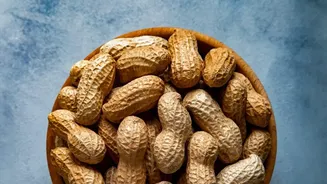
To understand why peanuts go soft, we need to look at what happens during roasting. The process of roasting removes water from the raw peanuts, making their internal structure brittle and creating that satisfying snap when you bite into them. However,
once cooled, these dry, crispy peanuts are highly susceptible to moisture in the surrounding air. Salt, being hygroscopic, naturally attracts and absorbs water molecules from the atmosphere. These water molecules are drawn into the peanut, where they rehydrate the starches and proteins, turning that delightful crunch into a disappointing, chewy texture. This process happens much faster than the other enemy of nuts: rancidity. While the healthy oils in peanuts can go rancid over time due to exposure to oxygen, heat, and light, the loss of crunch from humidity is often the first and most noticeable sign of spoilage.
Your Best Defence: Airtight Containers
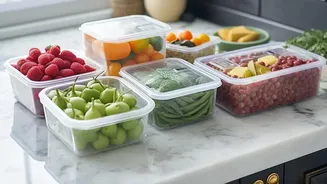
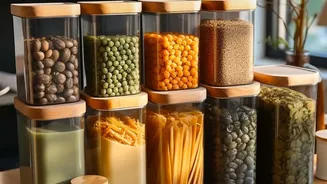
The single most effective way to protect your peanuts is to create a barrier against humidity. This is where a truly airtight container becomes essential. Simple plastic bags or poorly sealed jars won't do the trick, as they allow a slow but steady exchange of air. Glass jars with clamp lids and a rubber gasket, or high-quality BPA-free plastic containers with locking seals, are your best options. When sealing the container, try to leave as little empty space as possible, as the air inside also contains moisture. For those who buy in bulk, portioning the peanuts into smaller, well-sealed containers is a smart strategy. This ensures that you only expose a small batch to the air at a time, keeping the rest in pristine condition.
Location Matters: Pantry, Fridge, or Freezer?
Where you store your airtight container is the next critical decision. For short-term storage (one to two months), a cool, dark pantry away from heat sources like the stove or dishwasher is adequate. However, for longer-term freshness, the refrigerator or freezer is superior. The cold, dry environment of a refrigerator dramatically slows down moisture absorption and has the added benefit of inhibiting the oxidation of oils, which causes rancidity. For up to nine months of storage, the fridge is an excellent choice. For a year or even longer, the freezer is the ultimate solution. When storing in the freezer, using a heavy-duty freezer bag or vacuum-sealing can offer extra protection against freezer burn and moisture. A key tip for cold storage: always allow the peanuts to come back to room temperature before opening the container. This prevents condensation from forming on the cold nuts, which would immediately reintroduce the moisture you worked so hard to avoid.
Common Storage Mistakes to Avoid
Many well-intentioned storage efforts fail because of a few common mistakes. The most frequent error is leaving roasted peanuts in an open bowl or in the bag they were purchased in, which offers almost no protection from humidity. Another pitfall is storing them near sources of moisture or heat, such as above the refrigerator, next to the kettle, or in a cabinet that gets direct sunlight. Heat not only accelerates the staling process but also speeds up oil rancidity, leading to off-flavours. Finally, never store warm, freshly roasted peanuts in a sealed container. The steam they release will get trapped inside, leading to sogginess. Always let them cool completely on a tray before transferring them to storage.
Can Soft Peanuts Be Saved?
If your peanuts have only recently become slightly soft, you may be able to revive them. Spreading them in a single layer on a baking sheet and toasting them in a low-temperature oven (around 100°C) for 10-15 minutes can help drive out the absorbed moisture and restore some of their crunch. Keep a close eye on them to prevent burning. Let them cool completely before eating or storing them again in a proper airtight container. While this trick can work in a pinch, it's a temporary fix. The best approach is always prevention through proper storage from the start, ensuring every handful is as fresh and crunchy as the first.