




Dong Valley: India's Land of the Rising Sun
Tucked away in the remote Anjaw district, Dong Valley holds the distinction of being one of the first places in India to be touched by the sun's rays each morning. Situated near the tri-junction where India, China, and Myanmar meet, this pristine valley
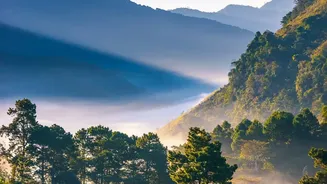
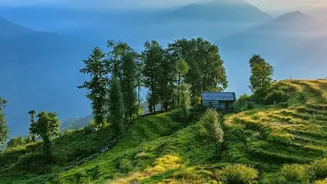
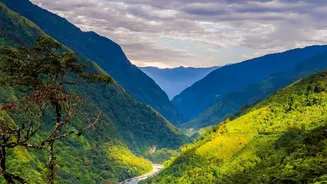
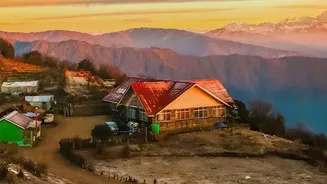
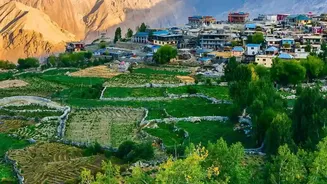
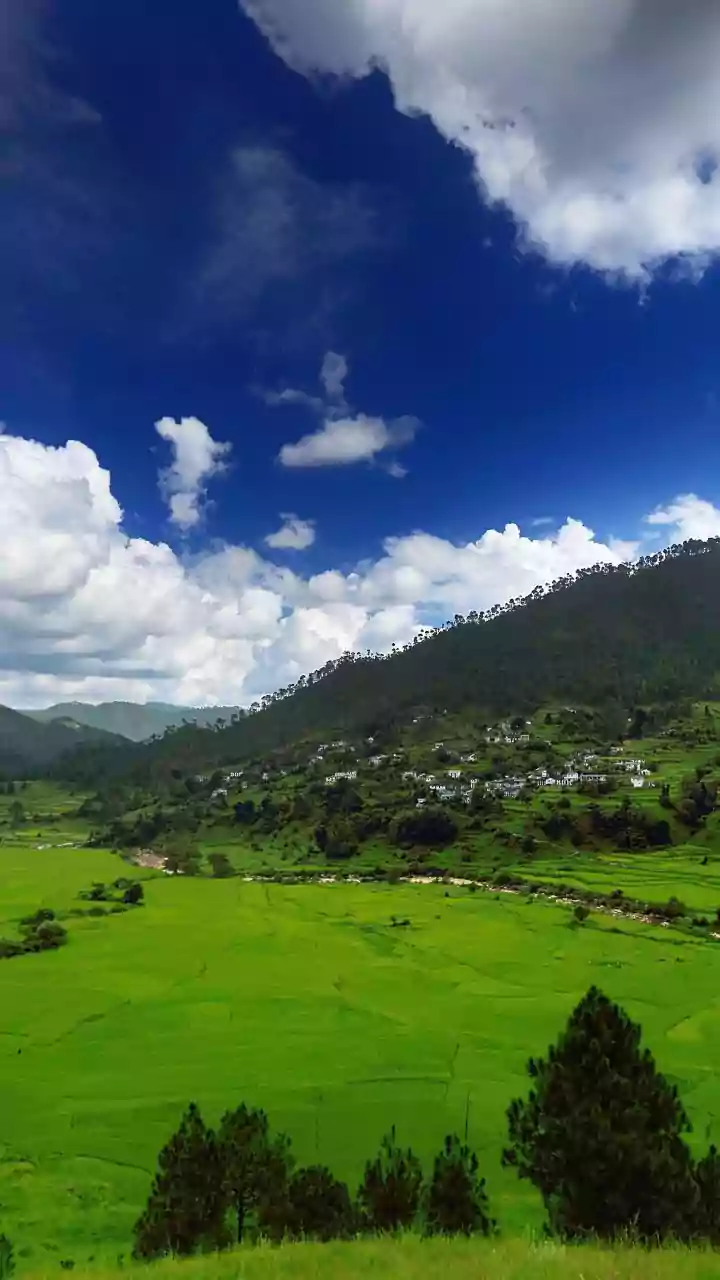
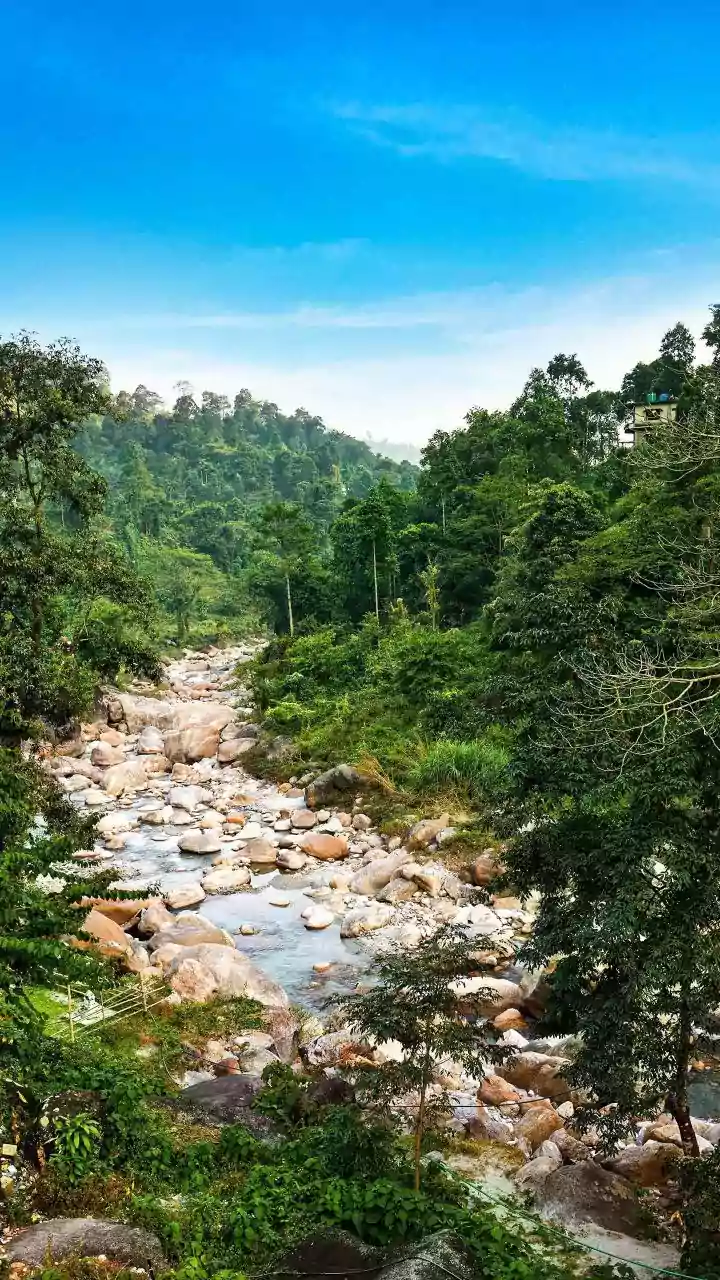
is not just a geographical curiosity but a place of immense natural beauty. Inhabited by the Meyor tribe, the village of Dong consists of just a few households, offering a glimpse into a life lived in harmony with nature's rhythms. The valley gained fame when it was identified as the site of India's first sunrise of the new millennium on January 1, 2000. The experience is about more than just the spectacle; it is about reaching a serene, untouched corner of the country, surrounded by pine forests and the confluence of the Lohit and Sati rivers.
The Pre-Dawn Trek
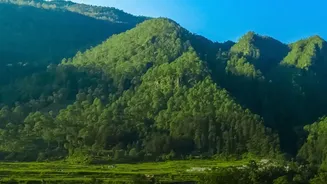
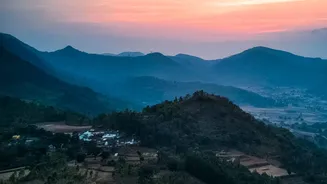
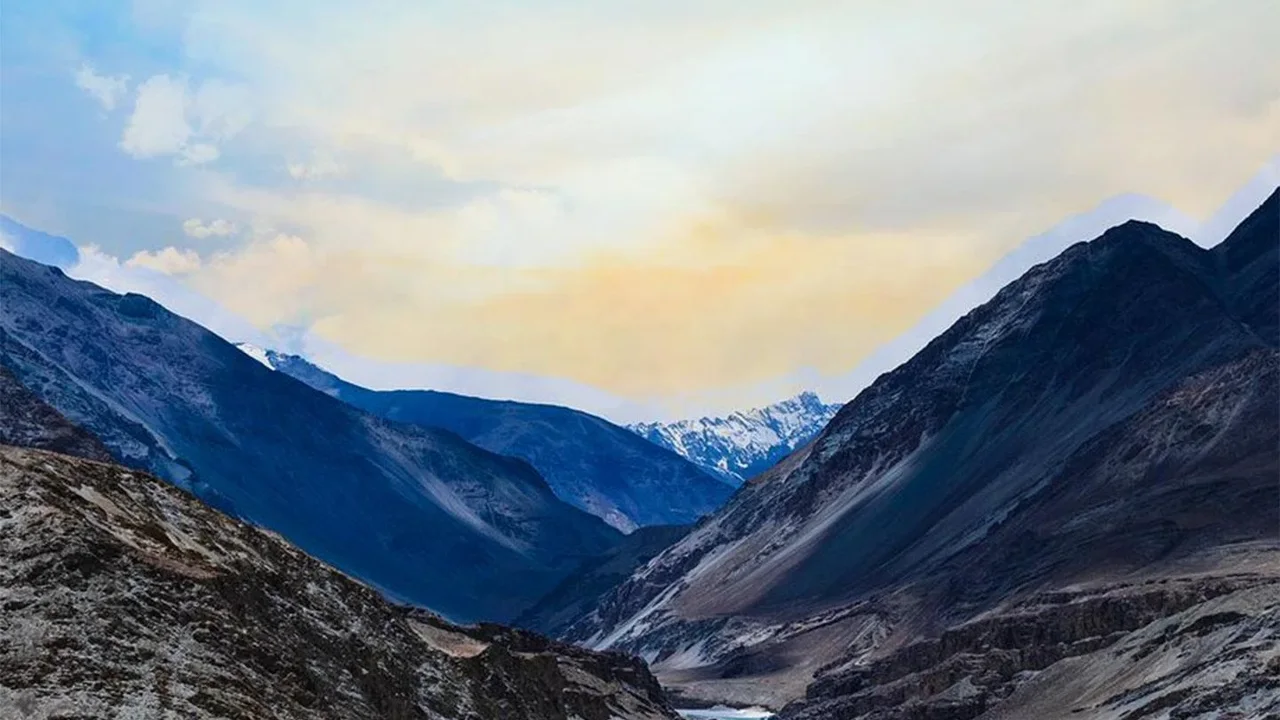
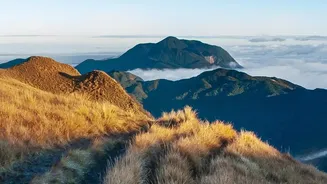
The journey to the sunrise viewpoint is an adventure in itself. The trek begins in complete darkness, typically around 2 or 3 AM, from a trailhead near the village of Tilam. A short drive from the base town of Walong takes you to the starting point. From there, it's a moderate but steep climb of about 90 minutes to two hours through fragrant pine forests. You'll need a headlamp to navigate the trail as you ascend the ridge. Reaching the viewpoint as the eastern sky begins to glow, you are rewarded with a breathtaking panorama. The first rays of light strike the mountains, painting the sky in shades of gold and orange, an unforgettable sight that makes the early start entirely worthwhile.
Planning Your Journey to Walong
Reaching this remote destination requires some planning. The nearest airport is in Dibrugarh, Assam, and the closest major railway station is in Tinsukia. From either of these points, it's a multi-day road trip to Walong, the main town and base for the Dong Valley trek. The drive itself is spectacular, following the course of the mighty Lohit River through Hayuliang and other small towns. Accommodation in Walong is basic but welcoming, consisting mainly of homestays and a few guesthouses. It's essential to book your stay in advance, especially during peak seasons. Remember that the last ATM is in Hayuliang and the last petrol pump is at Khupa, so plan your cash and fuel accordingly.
Essential Permits and Paperwork
Arunachal Pradesh is a protected state, and all non-resident visitors require a permit to enter. Indian citizens (excluding natives of Arunachal) need to obtain an Inner Line Permit (ILP), while foreign nationals require a Protected Area Permit (PAP). The good news is that applying for an ILP is now a straightforward online process through the official government portal. You will need to provide your itinerary, including the districts you plan to visit, and upload a photo and ID. It is crucial to carry multiple printed copies of your permit, as you will need to submit them at various checkpoints along the route.
Best Time to Visit and What to Pack
The ideal time to visit Dong Valley for the clearest sunrise views is during the autumn and winter months, from October to February. The skies are generally clear, though the mornings will be very cold. Spring (March to May) is also a great time, with pleasant weather and the landscape in full bloom. Packing is key for this trip. Essentials include multiple warm layers for the pre-dawn trek, a reliable headlamp with spare batteries, sturdy trekking shoes, and a rain jacket. Also carry basic medicines, a first-aid kit, and enough cash for your expenses in the valley, as digital payments are not an option in this remote region. A local guide is highly recommended for the trek, both for safety and to support the local community.