





A Perfect Storm for Automakers
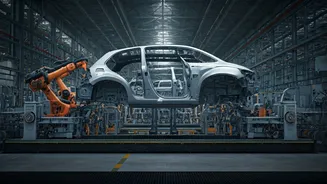
The global automotive industry is navigating its most challenging period in decades. A combination of factors is putting immense pressure on legacy manufacturers like Volkswagen. The primary challenge is the massively expensive transition from internal
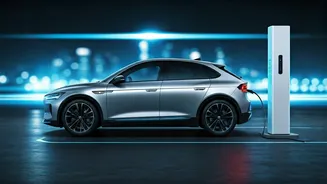
combustion engines (EVs) to electric vehicles (EVs), a shift that requires enormous investment in new technologies and factory retooling. This is compounded by slowing demand for EVs in some markets, intense price competition from new players like China's BYD, and persistent supply chain issues. Geopolitical tensions and tariffs have further complicated long-term planning, forcing companies to reconsider where they build and sell their cars. Simply put, the old model of developing cars in Germany and exporting them globally is no longer a guaranteed recipe for success.
Volkswagen's Performance Problems
While these pressures affect all automakers, Volkswagen has its own specific set of challenges. The company is grappling with significant overcapacity in its European plants, meaning it can produce far more cars than it is currently selling. This inefficiency, coupled with Germany's high production costs, has squeezed profit margins. In response, the company has launched a massive cost-cutting initiative dubbed „ACCELERATE FORWARD | Road to 6.5,“ aiming to improve earnings by around 10 billion euros by 2026. Recent reports, however, suggest this may not be enough. The company is reportedly considering a historic restructuring that could involve closing multiple German plants and eliminating up to 100,000 jobs worldwide to restore competitiveness.
What's On The Auction Block?
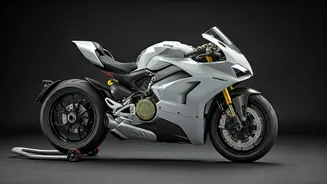
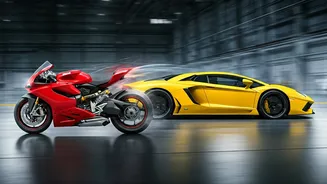
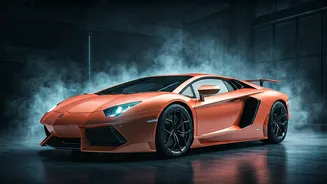
When a company of VW's size needs to raise cash and streamline its operations, it looks to its portfolio of assets. For Volkswagen, this is a vast and varied collection of 10 distinct brands. Recent reports suggest that advisers are encouraging VW to consider selling some of its prized possessions to help fund the costly turnaround. Among the names being floated are the high-performance motorcycle brand Ducati and even the iconic supercar maker Lamborghini. While VW has not confirmed any plans, the logic is that selling these highly profitable, non-core brands could generate billions. For example, Lamborghini, which VW's Audi division bought in 1998, is now estimated by some analysts to be worth over $22 billion. Spinning off the core Volkswagen brand itself has also been reportedly discussed as a way to make the company more agile.
The Road Ahead in India
For the Indian market, where Volkswagen Group (including Škoda) is fighting to increase its presence, this global restructuring carries significant implications. The company has been pursuing its 'India 2.0' strategy, focused on increasing localisation to reduce costs and offer more competitive pricing. The goal is to capture a 5% market share by the end of the decade, a revision from an earlier 2025 target. The global financial pressures could accelerate this push for efficiency. Klaus Zellmer, who oversees VW's India strategy, has noted that European cars are often "over-engineered" for the Indian market, which comes with a high price tag. A potential solution being explored is a deeper partnership with a local player, like Mahindra & Mahindra, to better understand market dynamics and develop more cost-effective vehicles for India.