



Standard, but Steep, Descents
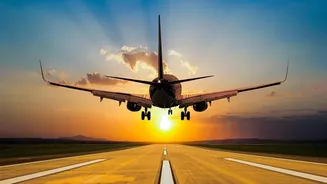
The most common reason for a quick descent is simply part of the normal flight plan. Air Traffic Control (ATC) might instruct a pilot to descend quickly to maintain safe spacing from other aircraft. This is especially true in busy airspace around airports.
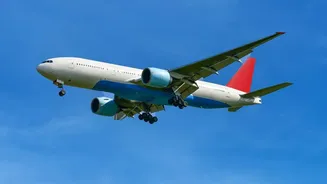
A pilot might also need to lose altitude faster than usual to get on the correct approach path for landing, especially if they were held at a higher altitude for longer than planned. While you might feel your stomach lurch, these descents are perfectly normal, with pilots often using speed brakes (panels on the wings) to descend efficiently without gaining too much speed. A normal descent rate for a commercial airliner is typically between 1,500 and 3,000 feet per minute.
Avoiding Bumpy Skies
No one enjoys a bumpy ride, including the pilots. If a flight encounters an area of moderate or severe turbulence, the quickest way to smoother air is often to change altitude. Pilots will get reports from other aircraft and weather radar, and if there's a more comfortable altitude just a few thousand feet below, they won't hesitate to descend into it. This is a proactive step to improve passenger comfort and safety. So, if your flight gets rough and then you feel a prolonged descent, it's likely your flight crew is simply getting you out of the 'potholes in the sky'.
Responding to an Onboard Medical Situation
When a passenger has a serious medical emergency, time is critical. If the situation requires hospital care, the flight crew's top priority becomes getting the plane on the ground at the nearest suitable airport. This will often involve a rapid, but controlled, descent. The pilots will inform ATC of the situation, and controllers will clear the airspace to give the flight a direct path to the runway. While faster than a normal descent, this is a planned procedure aimed at getting a passenger the help they need as quickly as possible.
The 'Emergency Descent' for Cabin Depressurization
This is the scenario many people picture, often thanks to movies. A sudden loss of cabin pressure, while rare, requires immediate and decisive action. If the cabin can't hold its air pressure, pilots must quickly bring the aircraft down to an altitude where everyone can breathe without supplemental oxygen—typically below 10,000 feet. This is what's known as an 'emergency descent'. Pilots are extensively trained for this manoeuvre. They will reduce engine power to idle, deploy speed brakes, and sometimes landing gear to create drag, allowing the plane to descend very rapidly—at rates of 5,000 feet per minute or more—without exceeding its structural speed limits. The oxygen masks will deploy, and while it feels dramatic, it is a highly rehearsed procedure designed to protect everyone onboard.
What It Feels Like vs. What It Is
For passengers, any sudden change in altitude can feel like a 'fall', but the aircraft is always under the pilots' full control. Even in a true emergency descent, the plane is flying, not falling. It is a controlled glide down a very steep hill, not a plunge. Pilots execute a banked turn during the descent to maintain positive G-forces and to scan for traffic below. This keeps the plane stable and safe throughout the manoeuvre. While the noise from the air rushing past and the steep angle may be alarming, it's important to remember that these are all parts of a well-practised and effective safety procedure.