






What is the IMA Platform?
IMA, or Integrated Modular Architecture, is Hyundai Motor Group's next-generation foundation for its upcoming electric vehicles. Think of it as a highly advanced and flexible skateboard on which a wide variety of EVs from Hyundai, Kia, and Genesis can
be built—from small cars to large SUVs and even pickup trucks. It's an evolution of the current, highly-praised E-GMP platform found under models like the Hyundai Ioniq 5 and Kia EV6. The key idea behind IMA is standardization. By creating common battery systems and motors, Hyundai aims to streamline production, reduce development costs, and improve overall efficiency. This modular approach allows for greater flexibility and faster rollout of new models.
The Big Promise: How Much Faster Is Charging?
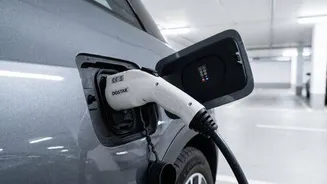
While Hyundai's current E-GMP platform is no slouch, with its 800-volt architecture enabling a 10-80% charge in about 18 minutes, the IMA platform is set to push the boundaries further. The new architecture will feature 'next-generation 800-volt technology' focused on even faster charging speeds and improved thermal management to handle the increased power. Although specific figures for the IMA are still under wraps, Hyundai's Head of R&D, Manfred Harrer, described it as a "huge evolution". The goal is to shorten charging times significantly, addressing one of the major concerns for potential EV buyers and making long-distance travel even more convenient.
More Than Speed: A Smarter, Cheaper Architecture
Faster charging is just one piece of the puzzle. The IMA platform is designed to be smarter and more cost-effective. It will standardize parts across various models, including five types of motors and nine different battery packs, which can be flexibly installed. This move is expected to cut development time and platform costs, which could translate into more competitively priced EVs. Furthermore, the IMA platform is being developed to support Level 3 or higher autonomous driving and will feature a new software architecture. This means future Hyundai and Kia vehicles will be able to receive comprehensive Over-The-Air (OTA) updates, keeping the car's features and performance current long after it leaves the showroom.
The Evolution from E-GMP
The E-GMP platform, introduced in 2021, was a game-changer for Hyundai, establishing it as a serious competitor in the global EV market. It brought 800V charging to the mainstream, a feature previously seen only on high-end EVs like the Porsche Taycan. The IMA platform builds on this success. It's not a complete reinvention but a significant refinement, focusing on incremental improvements in efficiency, thermal management, cost, and integration. The first E-GMP vehicle was the Ioniq 5, and with a typical automotive life cycle, its replacement around 2028 could be the first model to debut on the new IMA platform.
What This Means for the Indian Market
Hyundai has made its commitment to the Indian EV market clear, with plans to launch more locally-manufactured electric models. While the Ioniq 5, based on the E-GMP, is already a premium offering in India, the cost efficiencies and modularity of the IMA platform are particularly relevant. A more cost-effective platform could enable Hyundai to introduce a wider range of EVs at more accessible price points, competing directly with domestic and international players in the growing mass-market segment. The company has already committed to adding EV production lines at its plant in India as demand increases. The advanced charging capabilities of IMA will also be a major selling point as India's public charging infrastructure continues to expand.