



A Super-Earth in the Goldilocks Zone
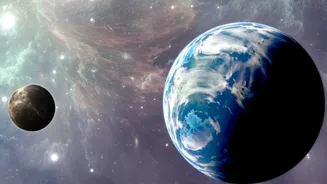
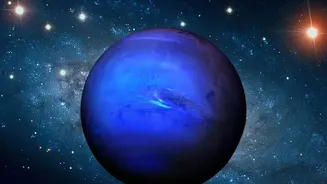
Meet LHS 1140 b, a planet that has long been a prime candidate in the search for habitable worlds. Located about 48 light-years away, it’s what astronomers call a 'super-Earth'—larger and more massive than our own planet, but still considered rocky. Specifically,
it has about 5.6 times the mass of Earth and is about 70% larger in radius. It orbits a red dwarf star, which is smaller and cooler than our sun, but it does so squarely within the 'habitable zone'. This is the so-called Goldilocks region, where conditions are just right for liquid water to potentially exist on the surface, a key ingredient for life as we know it. Its close proximity and the fact that it passes in front of its star from our viewpoint make it an excellent target for atmospheric studies.
Why an Atmosphere Is a Big Deal
Finding a planet in the habitable zone is exciting, but without an atmosphere, it’s likely just a barren rock exposed to harsh space radiation. An atmosphere is critical for several reasons. It can shield a planet’s surface from its star’s radiation, regulate its climate, and maintain enough pressure to keep water in a liquid state. For planets orbiting red dwarf stars like LHS 1140 b, confirming an atmosphere is especially important. These stars can be volatile, and many scientists worried their radiation might strip away the atmospheres of nearby planets over time. The discovery on LHS 1140 b provides the first strong evidence that a rocky planet in a habitable zone can indeed hold onto its atmosphere for billions of years, a major milestone in exoplanet science.
The Tell-Tale Helium Signature
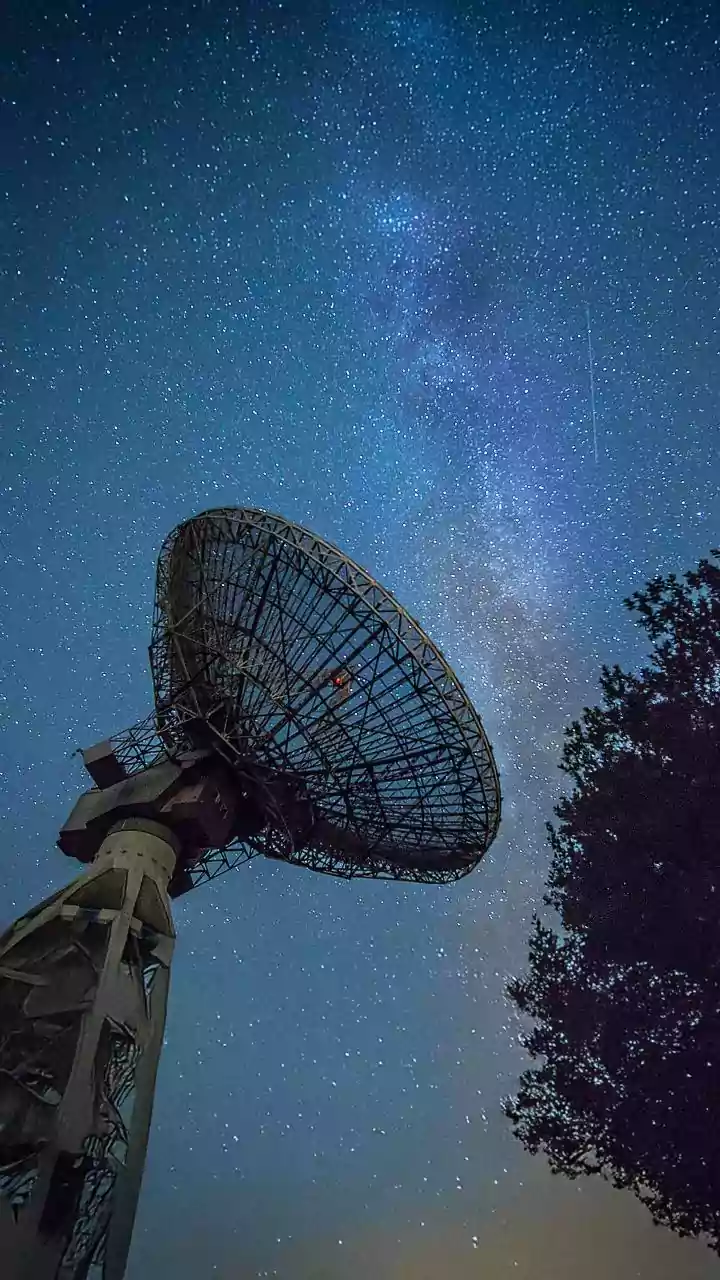
The latest breakthrough comes from a team of scientists who detected helium escaping from the planet's upper atmosphere. Using the Magellan Clay telescope in Chile, they analyzed the starlight filtering through the planet’s atmosphere during a transit—an event where the planet passes in front of its star. Helium, being a very light gas, naturally rises to the top of an atmosphere and can leak into space, making it a relatively easy-to-spot marker. This detection acts as a definitive 'yes' to the question of whether an atmosphere exists at all. While we don't yet know the full composition of the deeper atmosphere, finding this helium envelope is the crucial confirmation that LHS 1140 b is not an airless world and warrants much closer investigation.
A New, Efficient Detection Method
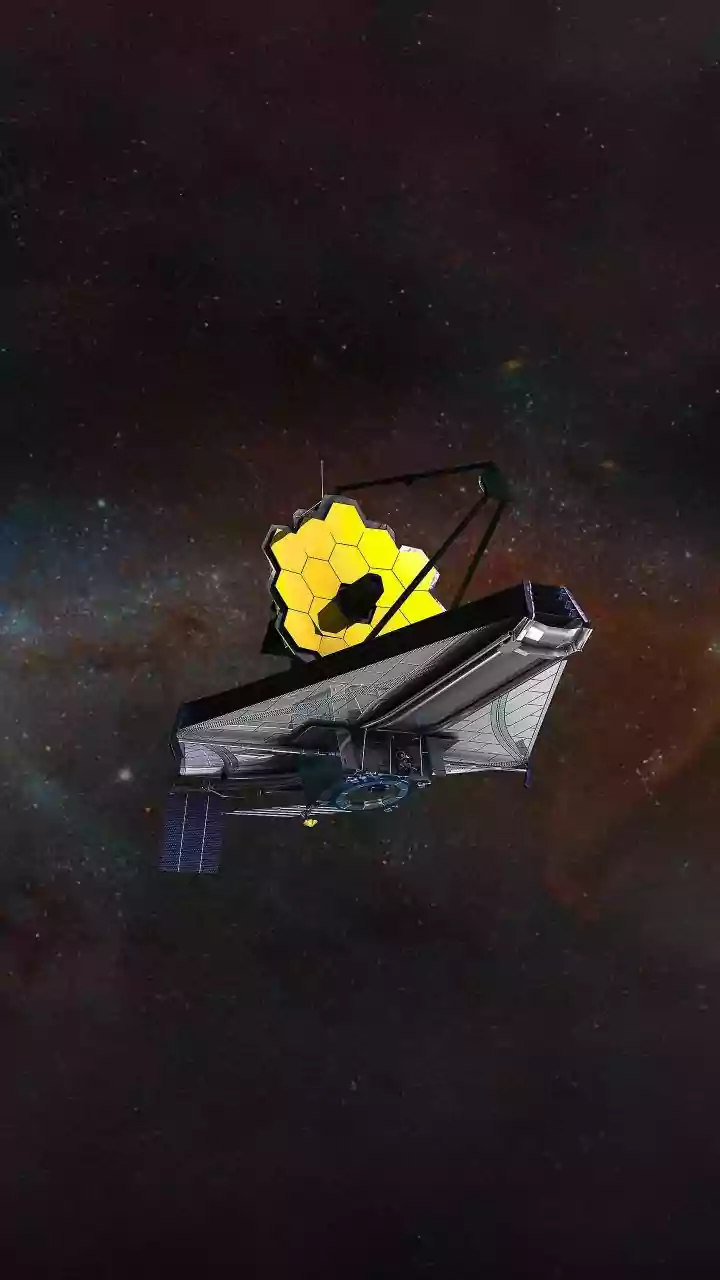
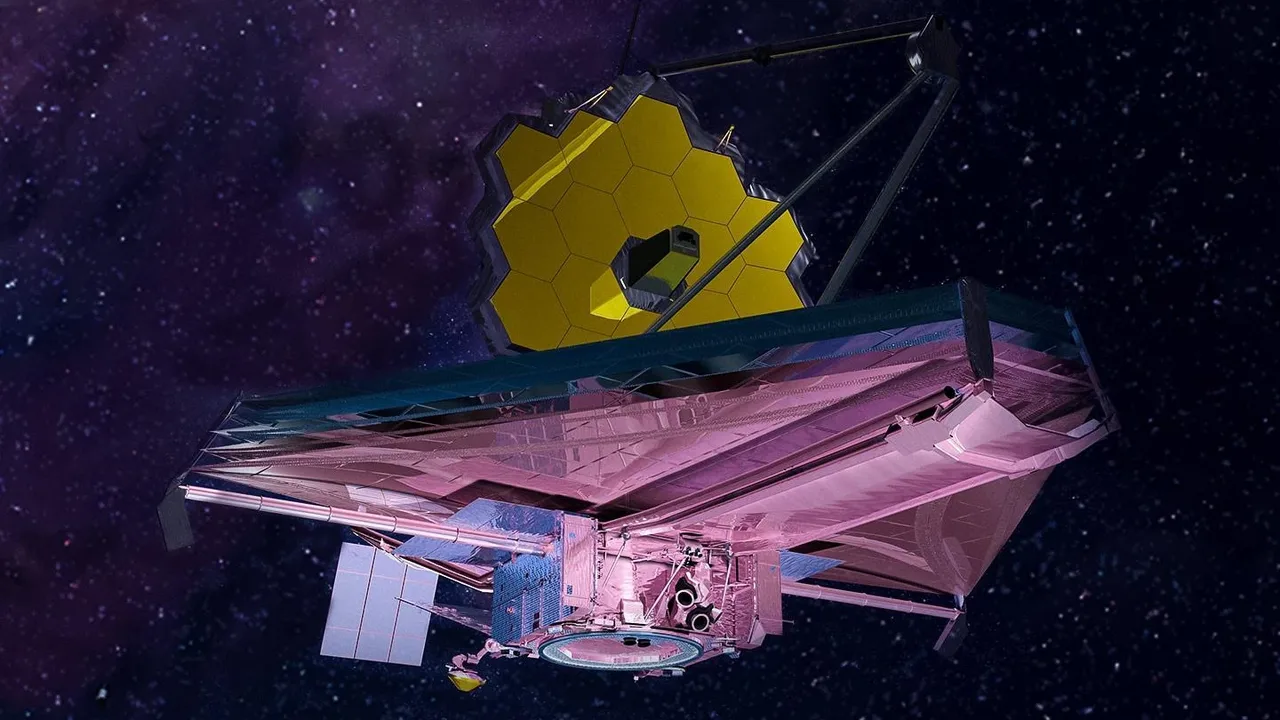
Traditionally, characterizing an atmosphere requires extremely sensitive instruments like the James Webb Space Telescope (JWST) to analyze the subtle dimming of light caused by elements like water or carbon dioxide, which is a difficult and time-consuming process. The innovative approach used here focuses on the more prominent signal from escaping helium in the planet's extended upper atmosphere, or exosphere. This technique is more efficient, allowing astronomers to quickly screen promising rocky planets to see if they have an atmosphere worth studying in greater detail. By looking for this helium 'tail', scientists can triage targets, prioritizing precious telescope time for planets that are confirmed to have a gaseous envelope. This smart strategy significantly accelerates the process of identifying potentially habitable worlds.
The Hunt for What Lies Beneath
This discovery doesn't just confirm an atmosphere; it opens the door to figuring out what it's made of. With the presence of a substantial atmosphere now established, LHS 1140 b becomes a top-tier target for the JWST. Scientists will now begin the detailed work of searching for heavier gases like nitrogen, carbon dioxide, and, most excitingly, water vapor. Previous observations with the Hubble and JWST had already ruled out a hydrogen-dominated atmosphere, suggesting a denser one is present. The confirmation of helium further bolsters this idea. Finding these other components would bring us one step closer to understanding if LHS 1140 b is simply a rocky world with a thin veil of gas, or a dynamic world with oceans and a climate—a true second Earth.