






Embracing Clove's Sweet Side
When you think of cloves, your mind might go to garam masala or a festive ham. But this potent, pungent spice has a sweet, slightly peppery warmth that shines in desserts. The key ingredient, eugenol, provides that signature aromatic flavour that pairs
beautifully with sugar and fruit. In baking, it moves beyond being a simple background note, offering a depth that is both comforting and complex. It’s the secret ingredient that gives gingerbread its distinctive kick and pumpkin pie its familiar, nostalgic warmth. Learning to wield its power can elevate your baking from good to unforgettable.
The Golden Rule: A Little Goes a Long Way
The most important rule when baking with cloves is to use them sparingly. Their flavour is intense and can easily overwhelm a dish. For ground cloves, a general guideline is about a quarter teaspoon for every two cups of flour in a cake or cookie recipe. This small amount is enough to impart its characteristic warmth without dominating other flavours. You can choose between whole and ground cloves, but they aren't always interchangeable. Whole cloves are best for slowly infusing liquids—think syrups, custards, or poached fruit—and should be removed before serving to avoid a bitter, woody bite. Ground cloves are better for batters and doughs, as they distribute flavour instantly and evenly.
Perfect Pairings to Elevate Your Bakes
Clove is a team player and works wonderfully with other spices and flavours. Its most classic partners are cinnamon, nutmeg, and ginger, which together form the foundation of many iconic spice blends. It also has a natural affinity for fruits, particularly apples, pears, oranges, and even pineapple. Imagine a spiced apple pie where a hint of clove adds a new dimension to the sweet-tart fruit. Chocolate is another surprising but excellent companion; a pinch of ground clove in a rich chocolate cake or brownie batter can enhance its depth without being obvious. For a truly classic pairing, try it with molasses in gingerbread or dark, spiced cookies.
Ideas for Cakes and Breads
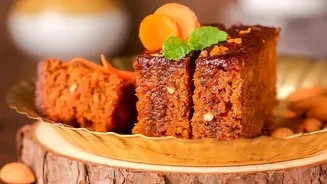
Incorporating cloves into cakes adds an old-fashioned, comforting quality. It’s an essential spice in gingerbread and many fruitcakes. Try adding a small amount to your next apple or carrot cake to see how it deepens the flavour profile. Old recipes for clove cake demonstrate its ability to be the star, creating a simple but beautifully fragrant bake. For something more subtle, pair it with orange zest in a simple tea cake. Even breads can benefit; a pinch of clove in a sweet pumpkin bread or a fruity loaf adds a layer of warmth that is perfect for a chilly evening.
Transforming Simple Cookies and Biscuits
Cookies are an excellent canvas for experimenting with cloves. From classic gingerbread to simple spiced butter cookies, the addition of clove makes them feel special. It provides the assertive spice note that makes gingerbread taste distinct. You can add it to oatmeal cookies along with raisins and walnuts or try it in buttery shortbread for a fragrant twist. Clove and cinnamon are a classic duo in spice cookies, creating a flavour that is instantly reminiscent of festive seasons. For an easy treat, consider adding a pinch of ground clove and orange zest to vanilla ice cream to serve alongside simple biscuits.
Infusing Custards and Puddings
For creamy desserts, whole cloves are the perfect tool for a gentle infusion. A few whole cloves added to the milk while making a rice pudding or kheer will lend a subtle, aromatic perfume to the final dish. Just be sure to strain the milk and remove the cloves before serving. This technique also works beautifully for poached fruits like pears, where whole cloves can be simmered in the sugar syrup to create an elegant and flavourful dessert. Even a simple baked custard or panna cotta can be transformed by first warming the cream with a few cloves to capture their essence.