





From Heirlooms to Daily Use
For generations, handloom fabrics were the stuff of heirloom sarees and ceremonial shawls—precious textiles brought out for weddings and festivals. The idea of using these intricate weaves for something as functional as a dining placemat seemed almost
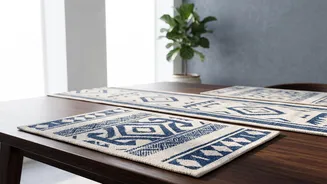
unthinkable. But a significant shift is underway. In homes across India, the dining table is becoming a canvas for showcasing heritage, not as a museum piece, but as a living, breathing part of daily life. This change is being driven by a growing consumer desire for authenticity and sustainability, moving away from mass-produced goods towards items with a story. The trend signifies a re-evaluation of luxury, where the focus is on craftsmanship and cultural connection rather than just logos or brand names.
The Power of Creative Collaboration
At the heart of this movement are powerful collaborations between contemporary designers and artisan weaving communities. Designers bring a modern aesthetic, an understanding of current market trends, and access to new customers. They might introduce contemporary colour palettes, minimalist patterns, or innovative uses for traditional textiles. In return, artisan clusters, from West Bengal to Rajasthan and Gujarat, bring generations of skill in techniques like ikat, block-printing, and jacquard weaving. This synergy is mutually beneficial: it provides weavers with sustainable livelihoods and a renewed sense of pride, while designers gain access to unparalleled craftsmanship. These partnerships help bridge the gap between rural artisans and urban markets, ensuring ancient techniques not only survive but also thrive in a modern context.
A Table Dressed in Heritage
So what does this trend look like on the dining table? It’s seen in richly textured cotton table runners from Bengal, intricately hand-block-printed placemats from Jaipur, and elegant napkins featuring subtle kantha embroidery. Brands and social enterprises are creating entire collections of table linens that blend traditional motifs with modern sensibilities. Think table runners made from Banarasi silk, jute placemats hand-painted with tropical designs, and cotton table covers featuring extra weft weaving techniques from regions like Kala Cotton. These pieces do more than just protect a table's surface; they add layers of colour, texture, and narrative to a meal, turning everyday dining into a more considered and beautiful experience.
More Than Just Pretty Threads
This focus on handloom table accessories is part of the larger slow-fashion and conscious consumption movement. Consumers are increasingly asking where their products come from and who made them. By choosing a handwoven table runner, they are making an ethical choice that supports artisan families and promotes eco-friendly practices. Many of these textiles use natural fibres and organic dyes, minimizing their environmental impact. This movement is about making heritage economically viable for the artisans who are its custodians. It ensures that skills passed down through generations continue to have a place in the modern Indian home, fostering a direct connection between the maker and the user.