


The Unseen Dangers in Standing Water
That murky water pooling in markets and on roadsides during heavy rains is more than just an inconvenience; it's a cocktail of contaminants. Floodwater and stormwater runoff can contain a dangerous mix of pollutants, including raw sewage overflow, animal
waste, and chemical runoff from roads and industrial areas. This water becomes a breeding ground for harmful bacteria like E. coli, Salmonella, and Listeria, as well as viruses such as norovirus and hepatitis A. According to the Food Safety and Standards Authority of India (FSSAI), the risk of foodborne illnesses like diarrhoea, typhoid, and cholera significantly increases during the monsoon due to such contamination.
How Contamination Reaches Your Vegetables
Fresh produce is porous. When vegetables and fruits are stored in or near contaminated water, they can absorb these dangerous pathogens. The risk isn't just from produce being fully submerged. Even splashing from a passing vehicle can transfer bacteria onto leafy greens, tomatoes, and other items. Some root vegetables can absorb contaminants directly from saturated soil. Furthermore, produce with bruises, cracks, or other surface damage is even more susceptible, as these openings provide a direct entry point for microbes. It's nearly impossible to fully clean produce like leafy greens once contaminated, as pathogens hide in their many crevices.
Why Washing Isn't a Guaranteed Fix
A common belief is that a thorough wash can make any vegetable safe. However, when produce has been exposed to floodwater, washing is not enough. While rinsing under clean, running water helps remove surface dirt and some bacteria, it cannot eliminate pathogens that have been absorbed into the vegetable's tissue or are lodged in tiny surface cracks. The FSSAI advises thorough washing with clean water, and even soaking some vegetables in a saltwater solution, but this is for produce handled under normal hygienic conditions. For produce known to have been in contact with floodwater, the only safe course of action is to avoid it entirely. No amount of cooking or cleaning can reliably make it safe.
Smart Shopping During the Monsoon
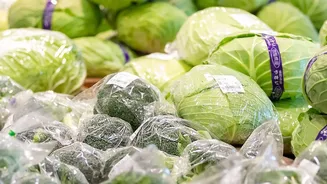
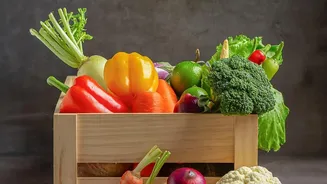
Being a vigilant consumer is your best defence. When buying fresh produce, especially during and after heavy rains, take a moment to assess the environment. Choose vendors whose stalls are clean, dry, and elevated away from puddles and street-level runoff. Look at where and how the vegetables are stored. Are they in clean crates, or are they sitting on the ground next to a murky stream of water? Avoid buying any produce that looks wilted, bruised, or shows signs of decay or water damage. Don’t hesitate to buy from reputable sources and avoid street food or pre-cut fruits and salads, which carry a higher risk during this season.
Protecting Your Produce at Home
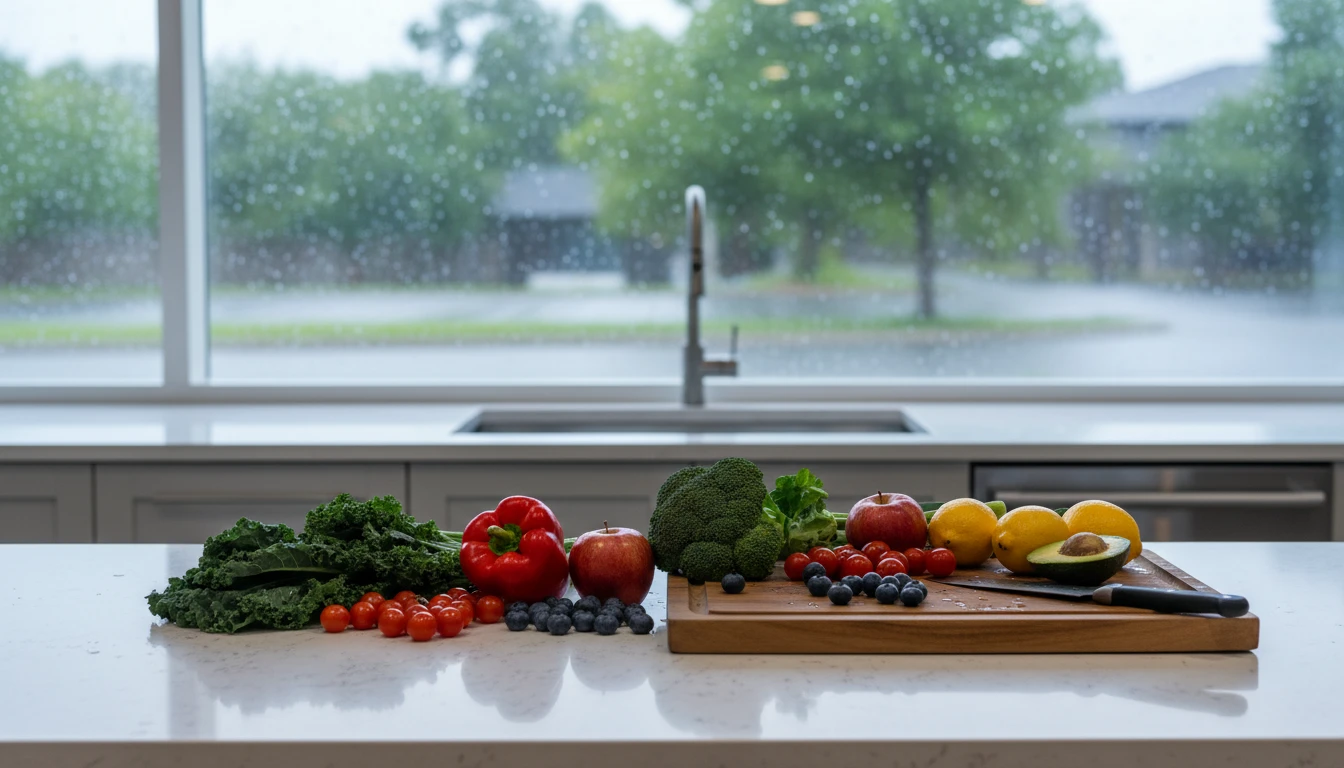
Once you bring your vegetables home, good hygiene continues to be critical. The FSSAI recommends storing perishable items in the refrigerator promptly to slow bacterial growth, especially in the humid monsoon climate. Do not leave cooked food at room temperature for more than two hours. Wash your hands thoroughly with soap before and after handling food. Use separate, clean cutting boards for produce and raw meats to prevent cross-contamination. Store vegetables in breathable bags in a clean refrigerator and ensure they are dry before storing to prevent mould and rot. These simple steps, combined with careful purchasing, can significantly reduce your family's risk of foodborne illness.