







The Green Powerhouse at its Core
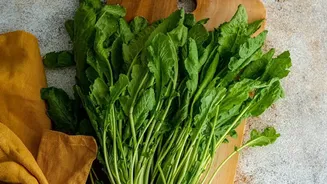
At its heart, saag is a nutritional champion. The dish is traditionally made from a blend of leafy greens like mustard greens (sarson), spinach (palak), fenugreek (methi), or bathua. These greens are loaded with essential nutrients. They are an excellent
source of vitamins A, C, and K, which are crucial for boosting immunity, supporting vision, and maintaining bone health. They also provide vital minerals like iron and calcium, which help prevent anaemia and strengthen bones. Furthermore, saag is rich in dietary fibre, promoting good digestion and keeping you feeling full longer. The greens also contain antioxidants that help fight inflammation and cellular damage in the body.
The Richness Factor: Ghee, Butter, and Cream
Here's where context becomes critical. A traditional saag is often finished with a generous dollop of ghee or butter, and sometimes cream, to give it that signature velvety texture and rich taste. While these additions are delicious, they significantly increase the calorie and saturated fat content of the dish. However, it's not entirely a bad thing. Healthy fats like those in ghee are necessary for your body to absorb fat-soluble vitamins—namely vitamins A and K—which are abundant in leafy greens. The key is moderation. A teaspoon of ghee can enhance nutrient absorption, but adding several tablespoons of butter and cream can easily turn a light, healthy dish into a very heavy one.
How Cooking Changes Everything
The way saag is prepared also plays a role in its final nutritional profile. Over-boiling the greens can cause water-soluble nutrients like vitamin C to leach out and diminish. A gentle, slow-cooking method is often best to retain as many nutrients as possible while softening the tough leaves. Spices like ginger, garlic, and turmeric, commonly used in saag, not only add flavour but also bring their own health benefits, such as anti-inflammatory properties. The goal is to cook the greens until tender, not until they lose their vitality. Some methods, like blanching the greens and then running them under cold water, can help preserve their vibrant colour and some nutrients.
The Company It Keeps: Roti, Naan, or Rice?
Saag is rarely eaten alone. Its nutritional impact is heavily influenced by its accompaniments. Pairing saag with a simple whole-wheat roti provides complex carbohydrates and additional fibre, making for a well-rounded meal. However, if you serve it with a butter-drenched naan or a deep-fried paratha, the overall calorie, fat, and refined carbohydrate count skyrockets. These choices can negate some of the health benefits of the saag itself. A balanced plate would feature saag alongside whole grains and perhaps a side of plain yogurt to add probiotics and protein without excessive fat.
Making Saag a True Superfood
Enjoying saag as part of a healthy diet doesn't mean you have to sacrifice flavour. It's about making smart, mindful choices. For a healthier version, try reducing the amount of cream and butter, or use yogurt to add creaminess instead. Focus on the aromatic spices to build flavour. Pair it with makki di roti (cornmeal flatbread), brown rice, or quinoa for a nutrient-dense meal. You can also enhance its protein content by adding paneer or lentils. By being mindful of the additions and accompaniments, you can ensure that your comforting bowl of saag remains the nutritional powerhouse it is meant to be.