


The Golden Rule of Scale
In the world of interior design, 'scale' refers to the size of an object in relation to other objects around it. The principle suggests that for a room to feel harmonious, its components should be in proportion to one another. When a planter is properly
scaled, it feels like it belongs. A large planter can anchor a corner or flank a substantial sofa, while a smaller pot is perfect for a bookshelf or side table. The goal is to create visual balance. A tiny pot next to a massive armchair can look lost and insignificant, while an enormous planter might overwhelm a delicate side table. Getting the scale right makes the entire arrangement—plant, pot, and furniture—feel intentional and cohesive.
First, Prioritize Plant Health
Before you even think about aesthetics, the planter must be the right size for the plant's health. This is the most critical part of the equation. A pot that is too small will restrict root growth, causing the plant to become root-bound and struggle for nutrients and water. On the other hand, a pot that is too large can be just as damaging. The excess soil will hold more moisture than the roots can absorb, leading to a high risk of root rot. A good rule of thumb when repotting is to choose a new container that is only one to two inches larger in diameter than the previous one. This gives the roots enough room to grow without creating a waterlogged environment.
Balancing Planters with Furniture
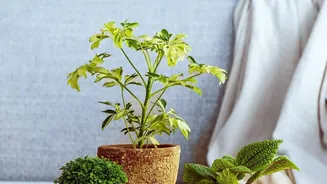
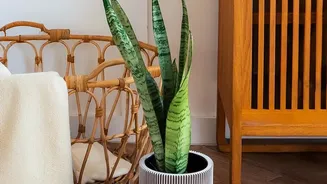
Once your plant's needs are met, you can focus on how the planter interacts with your furniture. The relationship between the planter and nearby pieces is what defines the room's sense of proportion. Large floor planters, typically 12 inches in diameter or more, work best when anchoring a significant piece of furniture like a sofa, a large media console, or filling an empty corner in a spacious room. Medium-sized planters, from 8 to 10 inches, are versatile workhorses for coffee tables, countertops, or next to an armchair where they can make a statement without competing with the furniture. Small pots are ideal for adding touches of green to shelves, desks, and nightstands. The key is to avoid visual tension; the planter should complement the furniture, not overpower it or disappear beside it.
When to Break the Rules: The 'Hype' of Dramatic Scale
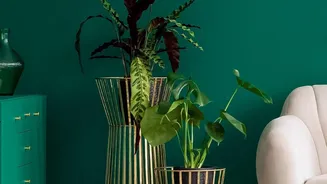
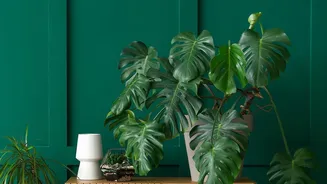
Here's where we separate useful advice from rigid dogma. While proportion is a great guideline, intentionally breaking the rules can create a stunning focal point. The trend of using oversized statement planters is a perfect example. Placing a surprisingly large planter in a minimalist space or a moderately sized room can introduce architectural drama and a sense of luxury. These large vessels transform a plant from a simple accessory into a living sculpture. The key to making this work is to give the oversized planter enough breathing room so it feels intentional, not just like a mistake. It becomes the undisputed star of the space, a deliberate and confident design choice that adds personality and flair.
The Power of Grouping
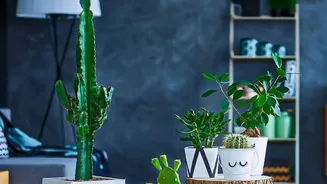
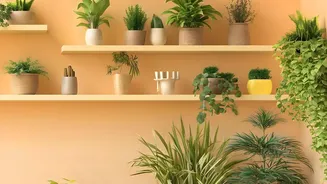
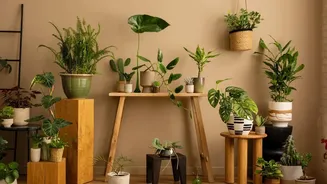
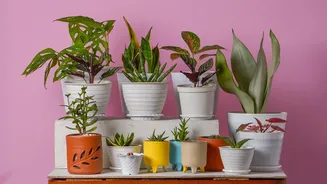
Another way to play with scale is by grouping planters together. A single small pot might look lonely on the floor next to a large cabinet, but a cluster of three or five pots of varying heights can create a lush, layered look with significant visual weight. This technique is especially effective for creating a focal point or filling an awkward corner. You can create harmony by using pots made from similar materials or colors, or you can mix and match for a more eclectic feel. The classic 'rule of three' is often used by designers, combining a tall 'thriller' plant, a medium 'filler,' and a low 'spiller' to create a dynamic and balanced arrangement.
Beyond Size: Style, Texture, and Color
Finally, remember that scale is just one piece of the puzzle. The planter's material, texture, and color are equally important for creating a cohesive look. A sleek, minimalist ceramic pot in a neutral tone might be perfect for a contemporary or Scandinavian-style room, allowing the plant's foliage to be the hero. For a bohemian or rustic space, you might opt for terracotta, woven baskets, or planters with a handcrafted, textured finish. The goal is to choose a planter that not only fits your plant and your furniture in size but also complements the overall design narrative of your home, creating a space that feels truly pulled together.