




The dust has now settled on the US midterm elections, leaving a new political dynamic in Washington. For Indian businesses and policymakers, the critical question is what this altered reality means for an economic partnership facing both opportunity and strain.
A New Political Equation in Washington
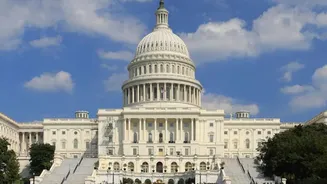
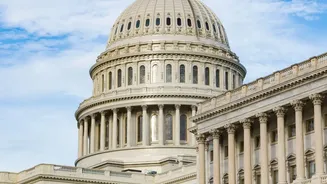
The US midterm elections have resulted in a significant political shift. Recent reports indicate that the Democratic party has gained control of both the House of Representatives and the Senate. This outcome introduces a new layer of complexity for the incumbent administration, as it will now face greater scrutiny and potential opposition to its legislative and policy agenda. For India, this development is not just a foreign news headline; it directly impacts the tone and trajectory of bilateral relations, particularly in the economic sphere. The new congressional oversight could mean a more deliberate, and possibly slower, policymaking process on trade matters.
The Future of Trade Negotiations
The prospect of a comprehensive India-US trade deal, which has been under negotiation for some time, now faces a more complicated path. Experts suggest that the urgency from the Indian side for a deal may lessen, as the new Congress could limit the US President's ability to impose surprise tariffs. However, some analysts believe the President, seeking a foreign policy win, might increase pressure on India to conclude an agreement quickly. This could involve pushing harder for market access in sensitive sectors like agriculture. The consensus is that large, sweeping agreements are unlikely in the near term, with both sides possibly pivoting to smaller, more manageable interim deals.
The Tariff Question and Market Access
Tariffs remain a central point of friction. While a feared 18% tariff framework was never implemented, Indian goods still face a 10% duty under 'Section 301'. The midterm results make new, unilaterally imposed tariff shocks less likely, as such actions would face stronger political headwinds. However, the threat has not vanished entirely. Existing mechanisms and pending investigations, particularly concerning sectors like pharmaceuticals and electronics, could still be used. Furthermore, India's continued purchase of Russian oil remains a sensitive issue, with potential sanctions under US law, like the Lindsey O. Graham Act, representing a persistent risk, even with bipartisan support for such measures in Congress.
Strategic Alignment Beyond Trade
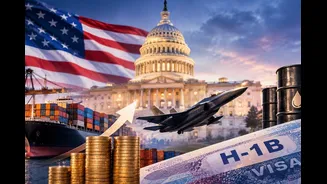
Despite the uncertainties in trade, the underlying strategic partnership between India and the United States is expected to remain robust. There is strong, bipartisan consensus in Washington on the importance of the Indo-Pacific region and the need to build resilient supply chains, areas where India is a crucial partner. Cooperation in defence, technology, and critical minerals is likely to deepen, driven by shared geopolitical interests that transcend domestic political divisions. For Indian IT firms, a potential softening of the US stance on H_1B visas, as a result of the new political dynamics, could be a significant positive development.
Navigating the Path Forward
For Indian businesses and government, the coming months will require careful navigation. The focus will likely shift from chasing a single, all_encompassing trade agreement to pursuing practical, sector_specific cooperation. According to some financial analysts, the new political climate, combined with easing crude oil prices and a softer dollar, could create a more stable macroeconomic environment for India, potentially boosting foreign investment inflows. The key takeaway is that while the path to deeper economic integration has become more complex, the fundamental logic for a strong India_US partnership remains firmly in place. The relationship will likely be defined by strategic patience and a focus on achievable, incremental progress.