




The Core Disagreement
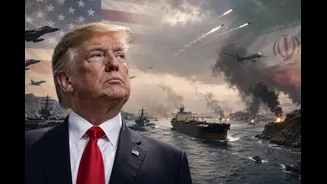
At the heart of the standoff is a fundamental conflict of interests. The United States, along with its allies, seeks verifiable and long-term restrictions on Iran's nuclear program to prevent it from developing a nuclear weapon. Washington's negotiating
position focuses on limiting uranium enrichment, dismantling certain facilities, and ensuring robust international inspections. In return, Iran demands the complete removal of a complex web of economic sanctions that have devastated its economy. For Tehran, sanctions relief is not just a bargaining chip; it is an existential necessity to revive its oil exports, access frozen assets, and reintegrate into the global financial system. This basic equation—nuclear limits for economic relief—was the foundation of the original 2015 deal, but rebuilding that trust has proven difficult.
A Brief History of the Deal
The current impasse is a direct result of the collapse of the 2015 Joint Comprehensive Plan of Action (JCPOA). That landmark agreement between Iran and six world powers (the US, UK, France, Germany, Russia, and China) saw Iran agree to curb its nuclear work in exchange for the lifting of international sanctions. However, in 2018, the Trump administration unilaterally withdrew the US from the deal, arguing it was too lenient and did not address Iran's ballistic missile program or its regional influence. Washington then reimposed its sanctions and added hundreds more under a "maximum pressure" campaign. In response, Iran began to progressively violate the JCPOA's nuclear limits. Subsequent efforts to revive the deal have been stuck on the sequencing of a return and the scope of sanctions relief.
The Complicated Sanctions Web
The issue is far more complex than simply lifting "nuclear-related" sanctions. Over the years, the US has imposed sanctions on Iran for a variety of reasons, including terrorism sponsorship, human rights abuses, and its missile program. Many of these designations are layered on top of or intertwined with nuclear sanctions, making them difficult to untangle. From Iran's perspective, a deal is worthless if US secondary sanctions still prevent foreign companies from doing business with them out of fear of American penalties. Tehran has demanded guarantees that a future US administration will not exit the deal again and that sanctions relief will be durable and comprehensive, a promise Washington is politically unable to make. This complex legal and financial architecture of sanctions, not just the nuclear-specific ones, forms the main roadblock.
Domestic Pressures on Both Sides
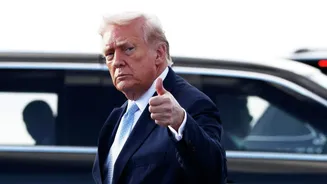
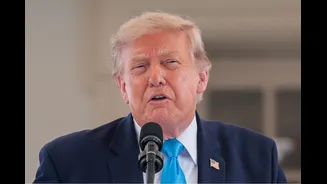
Both governments are navigating significant domestic political constraints. In Washington, any deal faces strong opposition in Congress, where critics argue the administration is being too lenient. This makes offering the sweeping guarantees Iran wants nearly impossible. In Tehran, hardliners are skeptical of American intentions, pointing to the 2018 withdrawal as proof that the US cannot be trusted. The Iranian leadership must show its population that a deal will deliver tangible economic benefits, making anything less than broad sanctions relief a political non-starter. Recent conflicting reports, with the US president announcing imminent talks while Iranian officials deny them, highlight the deep mistrust and differing public narratives both sides must manage for their home audiences.
Why It Matters for India
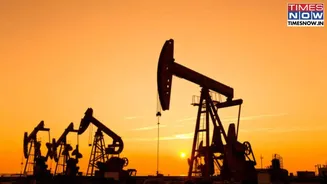
The US-Iran standoff has direct implications for India. Historically, Iran has been one of India's key energy suppliers. US sanctions forced New Delhi to drastically reduce and eventually halt oil imports from Iran, impacting its energy security and costs. A resolution that allows Iranian oil back onto the global market could help stabilize prices, which have been volatile amidst regional conflict. Furthermore, India has strategic interests in the region, including the Chabahar port in Iran, which is seen as a crucial gateway to Afghanistan and Central Asia. Continued instability and sanctions complicate these strategic and economic objectives, making a diplomatic solution between Washington and Tehran a matter of significant interest for India's foreign policy and economic stability.