





Kanazawa: The ‘Little Kyoto’
Often called ‘Little Kyoto,’ Kanazawa offers much of the same traditional charm with noticeably fewer crowds. This city on the Japan Sea coast managed to avoid destruction during World War II, preserving its historical districts. The main attraction is Kenrokuen,
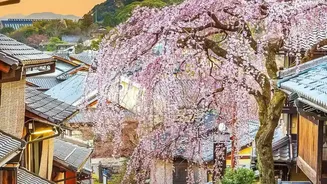
celebrated as one of Japan's three most beautiful landscape gardens. You can wander through meticulously sculpted grounds, past ponds and teahouses, without the rush. The city also boasts beautifully maintained geisha and samurai districts. Strolling through the Higashi Chaya district, with its traditional wooden lattice buildings, feels like stepping back in time. For a taste of local life, Omicho Market offers fresh seafood and produce in a lively atmosphere that has served the city for centuries.
Takayama: A Gateway to the Japanese Alps
Nestled in the mountainous Hida region, Takayama is a city that has retained a deeply traditional atmosphere. Its Sanmachi Suji district consists of three narrow streets in the heart of the old town, lined with wooden merchants' houses, sake breweries, and small boutiques. The experience here is about slowing down, enjoying the historic architecture, and soaking in the alpine air. Morning markets along the Miyagawa River offer local crafts and farm-fresh produce. For a deeper dive into the region's history, the Hida Folk Village (Hida no Sato) is an open-air museum with over 30 traditional farmhouses from the area. Takayama also serves as an excellent base for exploring the Okuhida hot springs or the stunning mountain resort of Kamikochi.
Fukuoka: The Relaxed Urban Hub
If you desire a city experience without the intensity of Tokyo or Osaka, Fukuoka is your answer. Located on the northern shore of Kyushu island, it’s a modern, vibrant city known for its laid-back atmosphere and incredible food scene. Fukuoka is widely considered the birthplace of tonkotsu ramen, and the best place to sample it is at the open-air food stalls, or 'yatai', that line the river in the evenings. The city is compact and easy to navigate, with beautiful parks like Ohori Park providing a peaceful escape. Unlike the major tourist hubs, Fukuoka offers a glimpse into modern Japanese urban life at a more manageable pace, feeling both practical and very liveable.
Shikoku Island: A Spiritual and Artistic Retreat
The smallest and least populated of Japan’s four main islands, Shikoku is a destination for those seeking nature, spirituality, and art. It is most famous for the 88 Temple Pilgrimage, a circular route that takes pilgrims to sacred sites across the island. While completing the entire circuit is a major undertaking, visiting a few of the temples provides a profound sense of tranquility. The island also boasts the rugged Iya Valley with its vine bridges and deep gorges, as well as the art island of Naoshima in the Seto Inland Sea. Naoshima is a must-see for modern art lovers, featuring museums and outdoor sculptures designed by world-renowned architects. This blend of ancient tradition and contemporary culture makes Shikoku a truly unique escape.
Yakushima Island: A Primeval Forest Paradise
A UNESCO World Heritage site, Yakushima is a subtropical island off the southern coast of Kyushu, famed for its ancient cedar forests. This is a place for nature lovers and hikers, a world away from Japan's urban centres. The island's moss-covered forests are home to 'Jomon Sugi,' a giant cedar tree estimated to be thousands of years old. The landscape is so mystical that it served as inspiration for the animated film 'Princess Mononoke'. Hiking trails wind through the dense wilderness, past streams and waterfalls. During the summer, its beaches become a nesting ground for loggerhead turtles. Getting to Yakushima requires a flight or ferry from Kagoshima, but the journey is rewarded with an experience of raw, untamed nature that is hard to find anywhere else.