




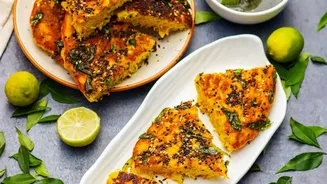
The Appetiser: Coastal and Eastern Beginnings
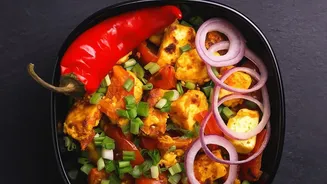
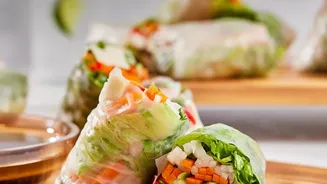
Every great meal starts with an appetiser that awakens the palate. Our journey into India's culinary heart begins not with heavy curries, but with the lighter, yet complex, flavours of the East and the coasts. Imagine the delicate artistry of Bengal's
cuisine. A dish like Machher Jhol, a fish stew with a thin, flavourful gravy, showcases the region's love for freshwater fish and subtle spices. It’s a world away from the creamy textures often associated with Indian cooking. Moving down the coast, we encounter Kerala’s specialties. Here, coconut is king, used not just as a thickener but as oil and garnish. Consider crispy fried spiced mussels, a coastal delicacy that combines local seafood with bold spices, offering a taste of the sea that is distinctly Indian. These dishes are not just starters; they are stories of geography and history, of communities shaped by the waters that surround them.
The Main Course: A Hearty and Diverse Platter
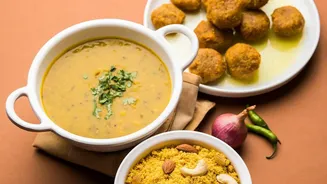
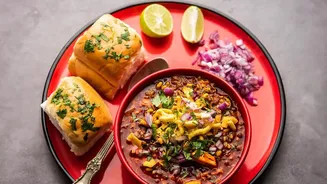
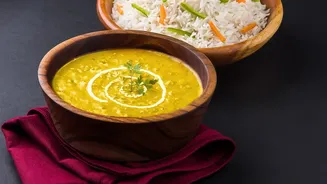
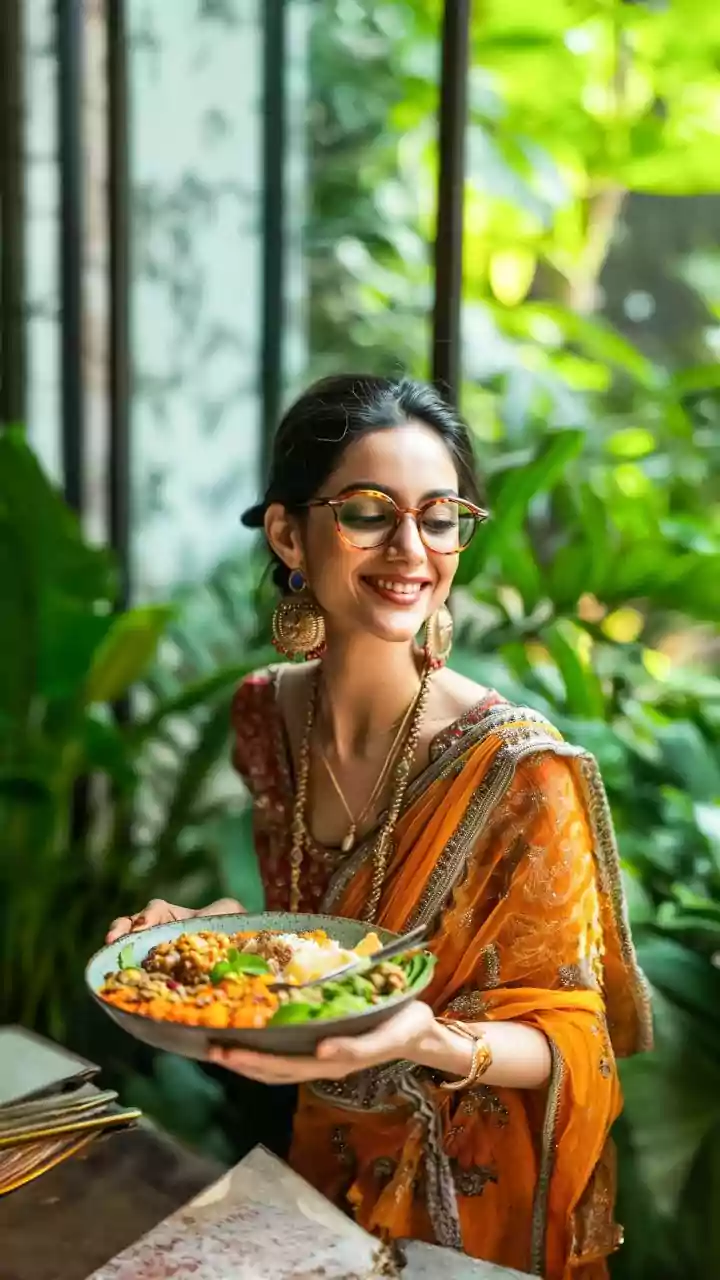
The main course is where we delve into the heart of India's culinary traditions. This is not a single dish, but a platter representing the vast plains and rugged mountains of the North and the Deccan plateau. From North India, often represented in restaurants worldwide, comes a tradition rich with dairy and robust breads. Dishes like Rogan Josh from Kashmir or Dal Makhani from Punjab are slow-cooked with aromatic spice blends, reflecting influences from Middle Eastern and Mughal kitchens. These rich, creamy preparations are perfect for scooping up with wheat-based breads like naan and roti. But the heartland is vast. In the desert state of Rajasthan, the cuisine is shaped by arid conditions, leading to inventive dishes like Dal Baati Churma—a hearty combination of lentils, baked wheat balls, and a sweet crumbled cereal. It's a testament to creating abundance from scarcity and a cornerstone of the region's identity.
The Sweet Finale: Desserts Beyond the Usual Suspects
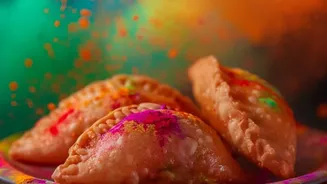
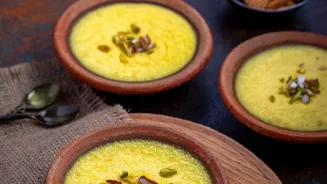
No Indian meal is complete without something sweet, and here too, the diversity is astounding. While popular sweets like Gulab Jamun are beloved, they are just one chapter in a very long book. The East, particularly Bengal and Odisha, is famous for its delicate sweets made from chenna (fresh cheese), such as Sandesh or Rasgulla. In the West, Maharashtra offers Kharwas, a unique pudding made from cow's colostrum milk, with a texture akin to a silky custard. Further south, you might find Payasam, a rice and milk pudding that varies from state to state, often sweetened with jaggery and infused with cardamom. And in Assam, the Bihu festival is celebrated with Narikol Pitha, a crispy pastry filled with coconut and jaggery, deep-fried to golden perfection. Each of these desserts tells a story of local ingredients, festivals, and traditions, offering a sweet conclusion to our culinary tour.
Accompaniments: The Unsung Heroes of the Meal
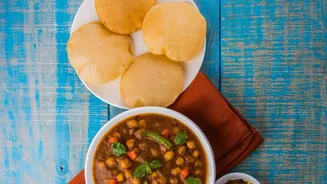
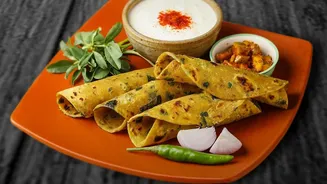
A special mention must go to the accompaniments, the elements that tie the entire meal together. The pickles (achaar), chutneys, and raitas that adorn the Indian table are not mere side dishes; they are integral to the dining experience. A spoonful of spicy mango pickle can elevate a simple dal and rice, while a cooling mint raita can balance the heat of a fiery curry. The variety of breads is equally staggering, from the fluffy naan and flaky parathas of the North to the fermented rice crepes (dosa) and steamed cakes (idli) of the South. Even rice, a supposed simple staple, comes in countless varieties, each preferred for a specific preparation. This incredible diversity in the supporting cast is what makes every Indian meal a dynamic and personalized experience, allowing diners to mix and match flavours and textures with every bite.