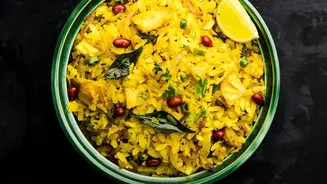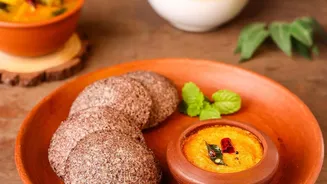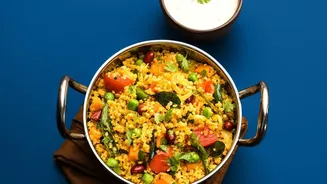




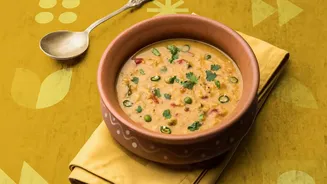


The Classic Comfort: Moong Dal Khichdi
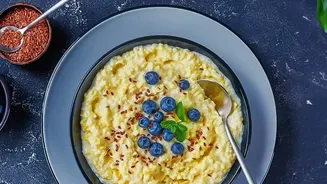
The quintessential version, moong dal khichdi, is celebrated for a reason. It is exceptionally easy to digest, making it a go-to meal when your system needs a gentle reset. The combination of rice and moong dal provides a complete protein profile, offering
all essential amino acids. Rich in protein and fibre, it keeps you feeling full and satisfied, preventing overeating. This classic preparation is also low in fat and can be prepared with minimal spices like turmeric and cumin, which have anti-inflammatory properties that aid digestion. For a simple boost, a tempering of cumin seeds and a dollop of ghee not only adds flavour but also provides healthy fats that help in the absorption of fat-soluble vitamins.
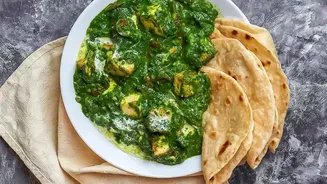
The Iron Boost: Palak Khichdi
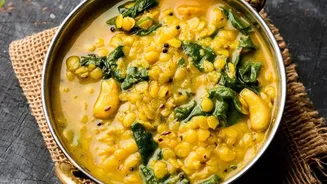
For a significant nutrient upgrade, look no further than Palak Khichdi. Spinach is a powerhouse of iron, calcium, and essential vitamins like K, C, and B9 (folic acid). Adding spinach puree or chopped leaves to the traditional recipe transforms the dish into an iron-rich meal that helps combat fatigue and boosts immunity. The fibre content in spinach also promotes gut health and aids digestion. To maximize the absorption of plant-based iron from the spinach, it's recommended to add a squeeze of lemon juice just before serving, as the vitamin C helps your body utilize the iron more effectively. This version is a fantastic way to incorporate more leafy greens into your diet without much effort.
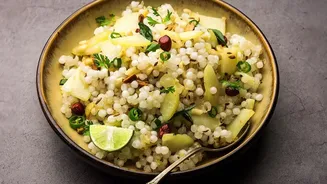
The Fibre-Rich Grain: Millet Khichdi
Replacing traditional white rice with millets like foxtail millet, jowar, or bajra is an excellent way to increase the fibre content of your khichdi. Millets are naturally gluten-free and have a lower glycemic index compared to rice, which helps in better blood sugar management and makes it a suitable choice for those with diabetes. The high dietary fibre content promotes a feeling of fullness, aiding in weight management by preventing hunger pangs. Millet khichdi is also rich in essential minerals like magnesium and potassium and supports a healthy gut microbiome by promoting the growth of beneficial bacteria. It's a hearty, nutritious alternative that adds a pleasant, nutty flavour to the dish.
The Heart-Healthy Option: Oats Khichdi
Swapping rice for oats can turn your khichdi into a heart-healthy meal. Oats are renowned for their high content of a soluble fibre called beta-glucan, which has been shown to help lower 'bad' LDL cholesterol levels. Oats also have a low glycemic index, providing a slow and steady release of energy that keeps you full for longer. This makes oats khichdi an excellent meal for weight management and blood sugar control. Packed with protein, fibre, and essential nutrients like magnesium and zinc, this creamy and wholesome variation is both filling and incredibly nourishing, offering a modern twist on the classic recipe.
The Rainbow Bowl: Vegetable Masala Khichdi
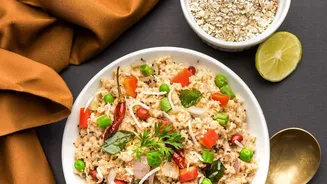
The easiest way to enhance the nutritional profile of any khichdi is by adding a generous amount of vegetables. A Vegetable Masala Khichdi can include anything from carrots and peas to beans, cauliflower, and potatoes. Each vegetable adds its own unique set of vitamins, minerals, and antioxidants. Carrots are rich in Vitamin A, peas provide protein, and beans offer additional fibre. This 'rainbow' approach not only makes the meal more visually appealing but also ensures a wider range of nutrients. Using a blend of spices like turmeric, coriander, and cumin adds flavour and provides anti-inflammatory benefits. It's a complete, balanced one-pot meal that requires no side dish.