
What is the Project's Current Status?
As of September 2026, the project is advancing at a significant pace. Railway Minister Ashwini Vaishnaw confirmed that construction is progressing rapidly, with the first coach manufactured for testing now ready. Civil construction work on key sections
in Gujarat, such as Vapi-Surat, is expected to be completed by December 2026. The National High Speed Rail Corporation Limited (NHSRCL), the body executing the project, has also been finalising contracts for essential components like specialised machinery for rolling stock maintenance. Overall, the physical progress is visible, with hundreds of kilometres of the viaduct already built and work on major river bridges well underway.
The Route and Key Stations
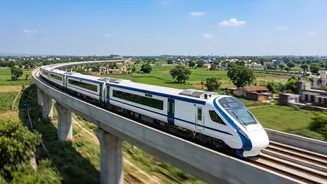
The corridor will cover a distance of 508 kilometres, connecting Mumbai, Maharashtra, with Ahmedabad, Gujarat, and passing through the Union Territory of Dadra and Nagar Haveli. The route is planned to have 12 stations in total. These include major hubs like Mumbai (BKC), Thane, Virar, and Boisar in Maharashtra, and Vapi, Bilimora, Surat, Bharuch, Vadodara, Anand, Ahmedabad, and Sabarmati in Gujarat. A significant portion of the line, about 92%, will be elevated to minimise land acquisition, with another 6% running through tunnels, including a 21-km tunnel between Boisar and Mumbai's Bandra Kurla Complex, part of which will be under the sea.
When Can We Expect to Ride It?
The project is being commissioned in phases. According to recent announcements, the first section of the bullet train is expected to become operational in 2027. Specifically, the Surat-Bilimora stretch in Gujarat is targeted for the inaugural run. Railway Minister Ashwini Vaishnaw has indicated a potential start date of August 2027 for this first phase. Following this, testing of India's first indigenously manufactured bullet train is anticipated to begin around May or June 2027. The entire 508-km corridor is projected to be fully operational by 2029.
The Technology Behind the Speed
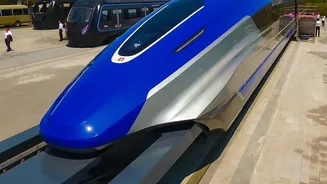
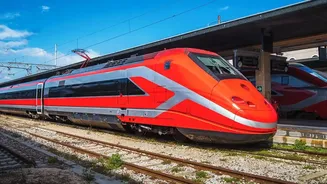
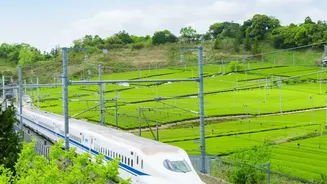
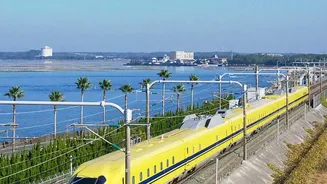
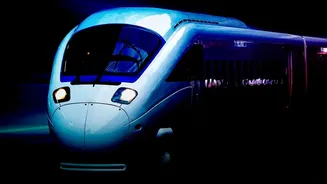
The project is being developed using Japan's renowned Shinkansen technology, known for its exceptional safety and punctuality record. The trains are designed to operate at a speed of 320 km/h, with a maximum speed of 350 km/h. This will dramatically reduce travel time between Mumbai and Ahmedabad from the current 8 hours by train to just under three hours. In parallel with the Japanese collaboration, India is also developing its own indigenous high-speed trainsets under the 'Atmanirbhar Bharat' initiative. BEML Limited is manufacturing these trainsets, which are designed for speeds up to 280 km/h and are expected to undergo trials in 2027.
Cost and Broader Impact
The initial cost of the Mumbai-Ahmedabad corridor was estimated at around ₹1.10 lakh crore, with Japan providing a significant soft loan for the project. Beyond the numbers, the project is a massive undertaking expected to generate significant economic activity and employment, with reports suggesting it has already created one lakh jobs. The development of high-speed rail is seen as a crucial step in modernising India's infrastructure, enhancing connectivity between major economic hubs, and promoting a culture of technological advancement and sustainable travel. The successful implementation of this corridor is also expected to pave the way for other proposed high-speed routes, such as the recently approved Hyderabad-Mumbai project.