








A Statewide Strategy for Responsibility
For years, Kerala has been a pioneer in responsible tourism, but recent efforts have shifted this focus from pilot projects to a comprehensive, statewide policy. The formal launch of the Responsible Tourism (RT) Mission in 2017 marked a pivotal moment,
establishing a nodal agency to ensure that tourism development benefits local communities economically, socially, and environmentally. This isn't just about preserving nature; it's a 'triple-bottom-line' approach that aims to make tourism a tool for poverty eradication and women empowerment. The policy framework, updated over the years, now guides everything from waste management to community engagement, making sustainability a core tenet, not an afterthought.
Community at the Core
A key pillar of Kerala's strategy is ensuring that tourism revenue directly benefits local populations. The RT Mission actively connects hotels and tour operators with local farmers, artisans, and cultural practitioners, creating a robust local supply chain. This model has led to the creation of thousands of community-based enterprises, including homestays, craft units, and women-led businesses. Initiatives like the award-winning STREET project (Sustainable, Tangible, Responsible, Experiential, Ethnic, Tourism hubs) are designed to take tourism into the state's rural interiors. By developing theme-based streets—like cultural streets or agri-tourism streets—the project diversifies attractions, reduces overcrowding in popular spots, and offers travellers more authentic, immersive experiences.
Greener Destinations, Cleaner Practices
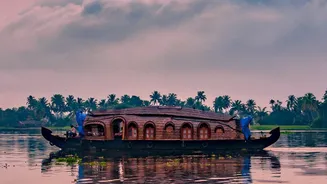
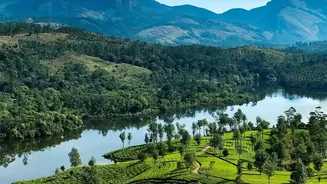
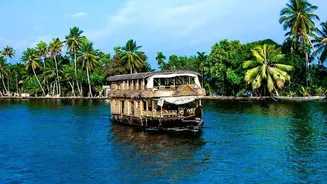
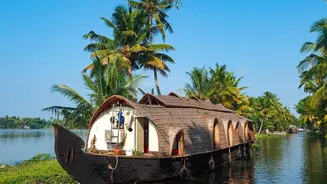
With record tourist arrivals, Kerala is taking concrete steps to manage the environmental impact. A significant recent initiative is the 'Green Marshal' plan, which deploys trained personnel at major tourist destinations like Munnar, Alappuzha, and Fort Kochi. These marshals enforce green protocols, guide tourists on responsible behaviour, and coordinate cleanup efforts, shifting the focus from reactive cleaning to proactive care. Furthermore, the state is implementing new Solid Waste Management Rules, which include linking the number of visitors allowed in ecologically sensitive areas to the local capacity for waste processing. On the backwaters, there's a push for houseboats to install proper sewage treatment systems and shift to solar power to reduce pollution. These efforts are part of a broader goal to develop carbon-neutral destinations.
Beyond a Buzzword
Kerala's approach has garnered international recognition, with the RT Mission's projects winning global awards and being cited by the UNWTO as a case study for sustainable development. The state is also the first in India to conduct gender audits of its tourism centres in partnership with UN Women, aiming to make destinations safer and more accessible for both female hosts and travellers. This holistic strategy, which combines environmental conservation with social inclusivity and economic benefits, demonstrates a clear vision. It proves that growing tourist numbers and protecting a region's natural and cultural heritage do not have to be mutually exclusive goals.