




The Soul of a Simple Sweet
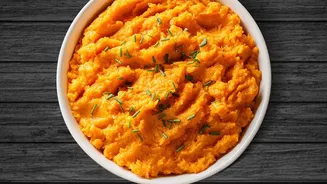
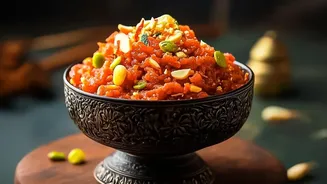
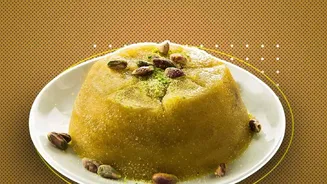
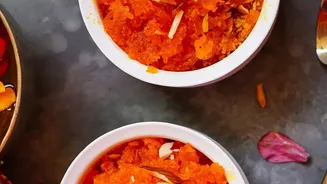
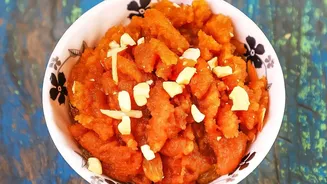
Aloo Halwa, or potato halwa, is a surprisingly simple dish made from just a few core ingredients: boiled potatoes, ghee, and sugar. It’s a staple during fasting periods like Navratri, as its carbohydrate-rich nature provides a welcome energy boost. Beyond
its role as 'vrat ka khana' (food for fasting), it is pure comfort food. Its magic lies in the transformation of the humble potato into a decadent, aromatic dessert that warms you from the inside out. While many recipes exist, the one thing they all agree on is the importance of the 'bhunai' – the roasting process.
Why Medium Heat is Your Best Friend
The temptation to turn up the flame to speed things up is real, but it's the single biggest mistake you can make. High heat will cook the outside of the potato mash too quickly, creating a crust while the inside remains undercooked and raw-tasting. Medium heat, however, is the key to an even cook. It allows the starches in the potato to gently break down and the moisture to evaporate slowly. This process coaxes out the natural sweetness of the potato, preventing it from burning and ensuring a smooth, lump-free consistency. Constant stirring is crucial during this phase to prevent the mixture from sticking and burning at the bottom of the pan.
Patience and the Art of 'Bhunai'
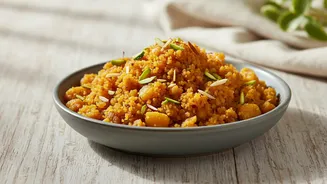
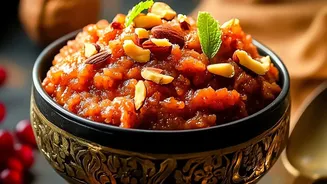
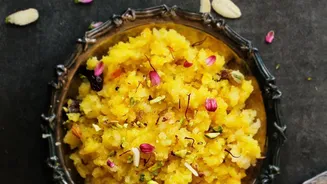
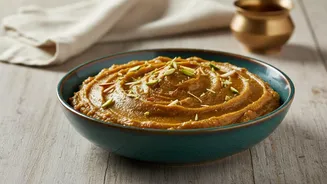
Properly roasting the mashed potato in ghee is the step that defines your halwa. This process, known as 'bhunai', is where the flavour develops. At first, the mashed potato will absorb all the ghee, looking sticky and clumpy. This is where patience comes in. As you continue to stir and roast on a medium flame, a magical transformation occurs. After about 10 to 15 minutes, the mixture will change colour to a light golden brown, and you'll notice a wonderful, nutty aroma. The ultimate sign of a perfect 'bhunai' is when the halwa starts to pull away from the sides of the pan and begins to release the ghee it initially absorbed. This indicates the raw taste of the potato is gone, replaced by a deep, roasted flavour.
A Step-by-Step Guide to Roasting
1. Prep the Potatoes: Start with well-boiled potatoes. Once cool enough to handle, peel and mash them thoroughly, ensuring there are no lumps. Some cooks prefer grating for an even finer texture. 2. Heat the Ghee: In a heavy-bottomed pan or kadai, heat a generous amount of ghee on a medium flame. Don’t skimp on the ghee; it’s essential for both flavour and the roasting process. 3. Roast the Potatoes: Add the mashed potatoes to the hot ghee. Now, the patient work begins. Stir continuously, breaking up any lumps, for 10-15 minutes. Watch as the colour slowly deepens and the texture changes from a wet mash to a more cohesive, glossy mass. 4. Add the Sugar: Once the potato is well-roasted and aromatic, it's time to add the sugar. The mixture will become runny again as the sugar melts. Don't panic; this is normal. Continue to cook, stirring constantly, until the halwa thickens again and starts to leave the sides of the pan. 5. Finishing Touches: Once the halwa reaches the desired consistency, mix in cardamom powder and your choice of roasted nuts like almonds, cashews, and pistachios. Serve warm for the best experience.
Signs You've Rushed the Process
How can you tell if the roasting was rushed? The taste and texture will give it away. A rushed halwa will have a slightly raw or starchy potato aftertaste. The texture might be sticky or lumpy rather than smooth and melt-in-the-mouth. Finally, the colour will be pale instead of a beautiful, rich golden-brown. The deep, nutty aroma that comes from patient roasting will also be missing. Taking your time with the 'bhunai' is what elevates this simple dish from good to unforgettable.