




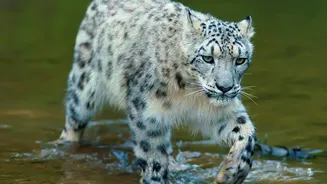
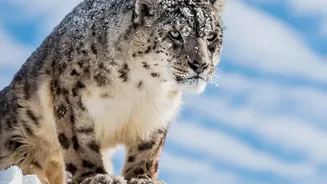
In a landmark move for Indian ecotourism, Ladakh has officially launched the country's first high-altitude wildlife safari. This initiative aims to offer a regulated and responsible way to spot the elusive snow leopard in its natural habitat.
A New Era for Wildlife Spotting
On October
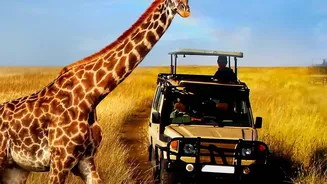
7, 2026, during the region's Wildlife Week celebrations, Ladakh's Lieutenant Governor Vinai Kumar Saxena flagged off the first fleet of six specially designed, open-back safari vehicles. This marks the formal beginning of a structured program that has been in the works, moving from announcement in August to execution within just two months. The initiative is a collaboration between the Snow Leopard and High-Altitude Nature Conservation (SHAN) Society and Ladakh's Department of Forest, Ecology and Environment. The goal is to replace unregulated excursions with guided tours that protect the fragile ecosystem, prevent disturbances from illegal off-roading, and create a sustainable model for wildlife viewing.
In the Land of the 'Ghost of the Mountain'
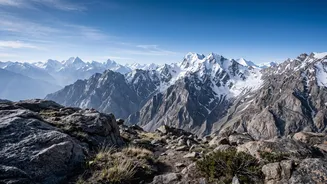
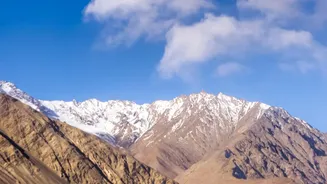
Ladakh is often called the 'snow leopard capital of the world', and for good reason. The Union Territory is home to an estimated 477 snow leopards, which is a significant portion of India's total population of around 718. These majestic and notoriously shy cats, known locally as 'Shan', thrive in the high, rugged terrain. Spotting one is a rare privilege that draws wildlife enthusiasts from across the globe. The new safari will initially operate in the areas of Rumbak, Shang, and Ulley, all well-known hotspots for snow leopard sightings. The plan is to eventually expand the approved safari routes to include larger areas like Hemis National Park and the Changthang and Karakoram Wildlife Sanctuaries.
Conservation and Community First
Officials have emphasised that the safari's objective is not merely to increase tourist numbers but to forge a new model where conservation and community livelihoods thrive together. For decades, human-wildlife conflict has been a challenge, with snow leopards sometimes preying on local livestock. Community-based tourism, including a robust network of village homestays, has been a successful strategy in shifting local perspectives, turning villagers into active custodians of wildlife. This new safari builds on that foundation. The program will employ trained local drivers and wildlife guides, providing new livelihood opportunities and ensuring that economic benefits flow directly back into the community. Twenty local youths are already being trained in bird and wildlife spotting to support the initiative.
Preparing for a High-Altitude Adventure
A trip to see snow leopards is unlike any other wildlife safari in India. The best time for sightings is during the harsh winter months, from January to March, when the cats descend to lower altitudes. This means visitors must be prepared for extreme cold, with temperatures often dropping far below freezing. Acclimatisation is crucial. Experts recommend spending at least two full days resting in Leh, which sits at an altitude of over 11,500 feet, to avoid acute mountain sickness before venturing into higher regions. The safari's open-back vehicles offer an unfiltered viewing experience, but also require travellers to dress in multiple warm layers, including thermal wear, insulated jackets, gloves, and hats. Patience is key; you might spend hours scanning the vast, snowy slopes for a glimpse of the camouflaged predator.
How to Plan Your Trip
While the safari has been officially launched, details regarding the booking process, timings, and costs are yet to be formally announced by the administration as of mid-October 2026. Traditionally, snow leopard expeditions are arranged through specialised tour operators who work closely with local trackers and homestays. For this new official safari, travellers should look for updates from the official Ladakh Tourism department channels. Given the focus on regulated tourism, it is expected that all trips will follow designated routes and visitor number restrictions to minimise environmental impact. Foreign nationals may need a Protected Area Permit (PAP) for certain areas, which can be arranged through registered travel agents in Leh.