






The predictable rhythm of an indoor workout has its comforts. But if you're craving fresh air and a new challenge, transitioning to a nature trail hiking routine can be a transformative experience for both body and mind. Here's how to start.
Why Trade the Treadmill for the Trail?
Leaving the
climate-controlled gym for the great outdoors offers a wealth of benefits that a machine simply can't replicate. Studies show that exercising in nature, often called 'green exercise', can significantly boost your mood and reduce feelings of tension and depression more effectively than indoor workouts. The varied terrain of a trail engages more muscle groups than a flat treadmill, improving balance and core strength. Your body works harder navigating rocks, roots, and inclines, leading to a more comprehensive workout. Furthermore, research indicates that outdoor physical activity can provide superior cognitive benefits, improving functions like memory and inhibitory control compared to the same exercise performed indoors. The psychological lift from being in a natural environment, combined with the physical exertion, helps lower stress hormones like cortisol, fostering a sense of calm and well-being.
Gearing Up Without Breaking the Bank
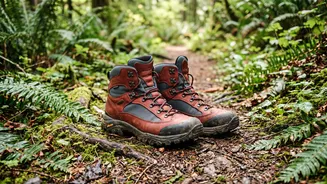
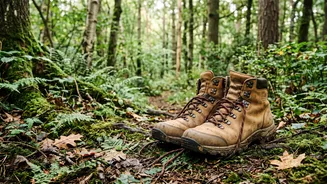
The idea of buying gear can be intimidating, but you don't need a mountain of expensive equipment to start. Focus on the essentials. The single most important investment is a pair of comfortable, sturdy hiking shoes or trail runners with good grip. Proper footwear prevents blisters and provides the stability needed for uneven ground. Next, focus on clothing. Instead of cotton, which traps moisture, opt for moisture-wicking synthetic fabrics to stay dry and comfortable. Dressing in layers allows you to adapt to changing temperatures. A small, comfortable daypack is also crucial for carrying your essentials. Look for one between 20-35 litres, which is typically enough for a day hike to hold water, snacks, an extra layer, and a first-aid kit.
The 'Ten Essentials' for Safety
While you don't need top-of-the-line everything, there is a widely accepted list of safety items known as the 'Ten Essentials' that every hiker should consider carrying. This collection includes: navigation tools (like a map and compass, or a GPS app on your phone with downloaded offline maps), a headlamp or flashlight with extra batteries, sun protection (sunscreen, hat), a basic first-aid kit, a knife or multi-tool, a fire starter, and some form of emergency shelter. You should also always carry extra food and water, bringing more than you think you'll need. This list isn't about preparing for a catastrophe on every walk; it's about being self-sufficient and ready for unexpected delays or changes in conditions, ensuring a safe return.
Finding the Right Path for You
Starting your hiking journey begins with choosing a beginner-friendly trail. Look for trails that are well-marked, relatively flat, and shorter in length (around 3–5 kilometres). Websites and apps are fantastic resources for discovering local options, often providing details on trail length, elevation gain, and recent hiker reviews. Local park websites, ranger stations, and even hiking clubs are also invaluable sources of information. They can provide recommendations for quieter, less crowded trails that might not appear on popular lists, giving you a more peaceful experience. Before you go, always check the trail conditions and the weather forecast, and let someone know your plan, including where you're going and when you expect to be back.
Making a Smooth Transition
If you're used to an hour long session at the gym, don't expect to hike for an hour straight on your first go. Hiking on varied terrain is more demanding. Start slow and listen to your body. Begin with shorter hikes and gradually increase the distance and difficulty as your fitness improves. Pay attention to your hydration and nutrition; it's important to drink water and eat snacks before you feel thirsty or hungry to maintain your energy levels. Using trekking poles can be a great help, even for beginners. They reduce the impact on your knees, especially on descents, and provide extra stability on tricky sections. The goal is consistency, not speed. A steady pace will allow you to enjoy the scenery and finish your hike feeling energized rather than exhausted.