







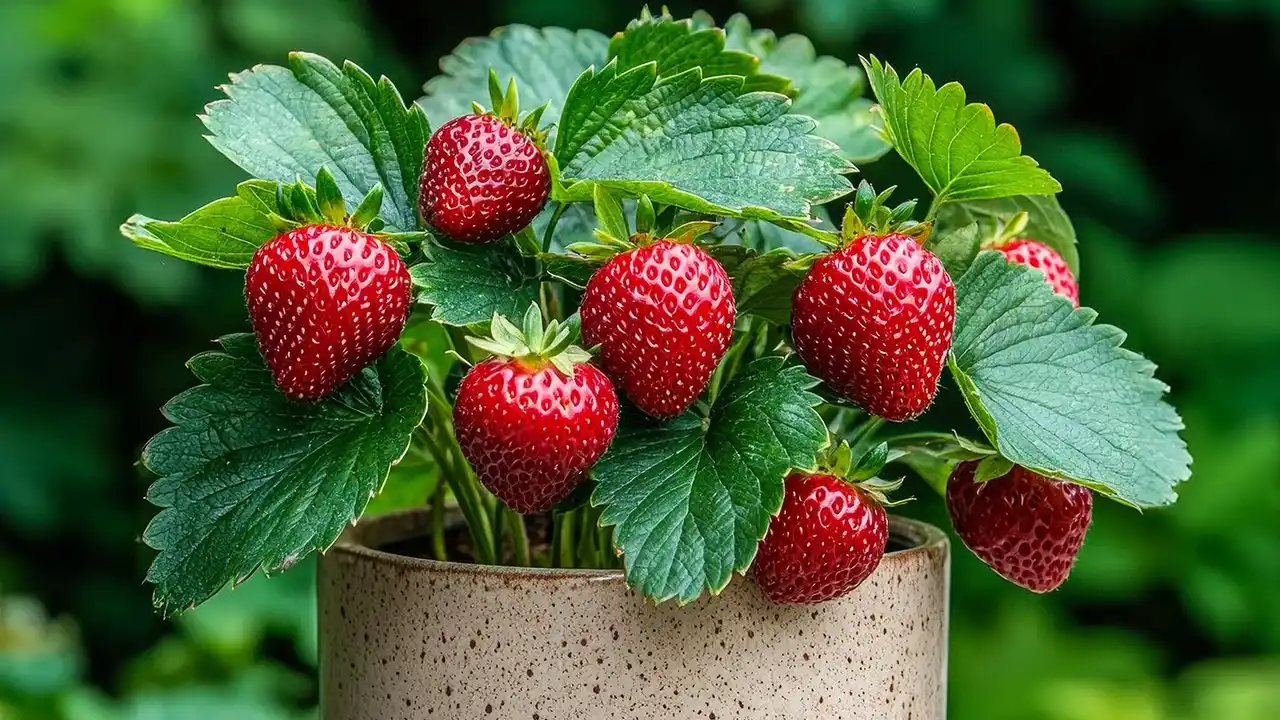
A Sweet Shift in Cultivation
Across several Indian states, a new agricultural trend is empowering some of the nation's most vulnerable communities. In districts like Kandhamal, Koraput, and Nuapada in Odisha, tribal farmers are turning away from the uncertainty of traditional crops
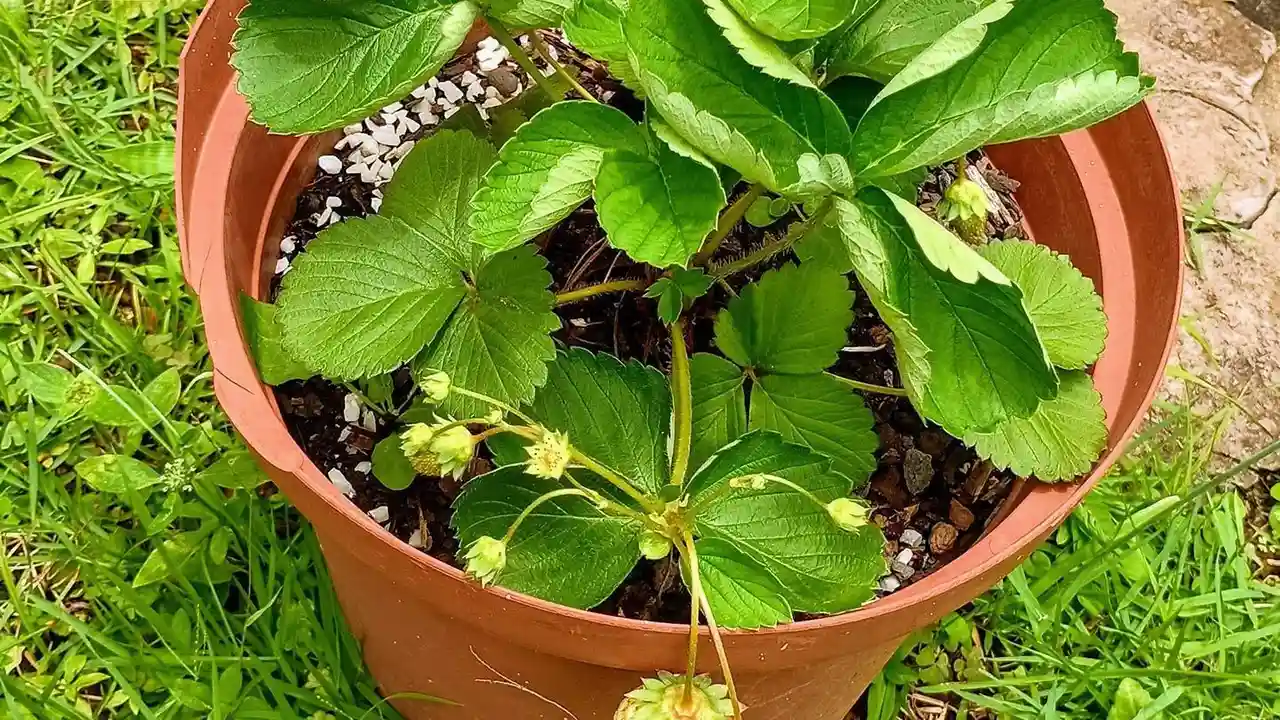
like paddy and millet to embrace strawberry cultivation. Initially met with hesitation, these projects are proving to be remarkably successful. Farmers, many of whom belong to Particularly Vulnerable Tribal Groups (PVTGs) like the Chuktia Bhunjia, are finding that their land, sometimes at altitudes similar to Mahabaleshwar, is well-suited for this high-value cash crop. The initiatives, often starting as small pilot projects, have quickly expanded as success stories spread from village to village, demonstrating that what was once a niche hill station fruit can be a viable livelihood in India's heartland.
The Taste of Economic Freedom
The most significant meaning of this development lies in its life-altering economic impact. For countless Adivasi families, especially women, this has been a journey from subsistence to prosperity. Farmers who previously struggled to make ends meet, earning between ₹70,000 to ₹80,000 annually, are now reporting profits upwards of ₹4 lakh from a single strawberry season. In some cases, women-led Self-Help Groups (SHGs) in Kandhamal have generated net profits of around ₹15 lakh per acre. This newfound income is enabling families to invest back into their farms, improve their homes, and, most importantly, fund their children's education. It represents a powerful shift towards financial independence, giving these communities, and particularly their women, a greater say in their own futures.
The Support System Behind the Success
This transformation is not happening in a vacuum. It is being driven by a collaborative effort between government agencies, NGOs, and the farmers themselves. Bodies like Odisha's Integrated Tribal Development Agency (ITDA) and the Chuktia Bhunjia Development Agency (CBDA) have been instrumental. Their model involves identifying suitable land and beneficiaries, providing high-quality saplings often sourced from Mahabaleshwar, and offering crucial training. Furthermore, they facilitate essential infrastructure like drip irrigation and help farmers secure loans. NGOs like the Aga Khan Foundation have implemented similar models in other regions, supporting women farmers with training in organic cultivation and market access. This structured support de-risks the transition for farmers and provides them with the tools needed to succeed.
A Step Towards National Self-Reliance
While these local projects focus on community empowerment, they fit into a larger national ambition. Currently, India's strawberry industry, of which Mahabaleshwar accounts for about 85%, relies heavily on expensive, imported plant varieties from countries like the US and Spain. This creates a dependency and a financial burden on farmers. Recognizing this, Indian scientists are now working to develop the nation's first indigenous, climate-resilient strawberry varieties. The goal is to create plants that deliver the same quality as foreign ones but are better suited to withstand India's diverse and challenging climates. This scientific push for 'Atmanirbhar' agriculture perfectly complements the grassroots movement of tribal farmers. Together, they represent a two-pronged strategy: empowering local communities while securing the crop's future at a national level.