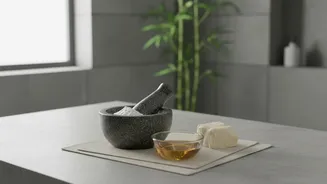




The Allure of the DIY Approach
On platforms like Pinterest and TikTok, recipes for homemade sunscreen are incredibly popular, racking up millions of views and shares. The appeal is understandable. Many people want to avoid synthetic chemicals, control the ingredients they put on their
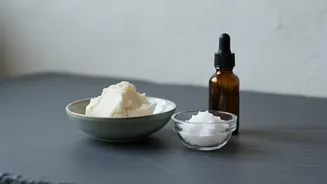
skin, and potentially save money. In a country like India, where natural and Ayurvedic remedies are deeply trusted, the idea of creating your own sun protection using familiar ingredients like coconut oil or shea butter seems like a healthy, responsible choice. However, when it comes to sun protection, what seems natural is not always safe.
The Core Risk: Unreliable and Inconsistent SPF
The central problem with homemade sunscreen is the complete lack of guaranteed protection. Sun Protection Factor (SPF) is a scientifically regulated measurement. Commercially produced sunscreens undergo rigorous, expensive testing to prove their SPF value and ensure they provide broad-spectrum protection against both UVA (ageing) and UVB (burning) rays. This is impossible to replicate in a home kitchen. The effectiveness of a DIY batch can vary wildly due to factors like ingredient quality, measurement inaccuracies, and mixing methods. One batch might offer minimal protection, while the next could offer none at all, leaving your skin completely exposed to harmful UV radiation without you even knowing it.
Why Simply Adding Zinc Oxide Isn't Enough
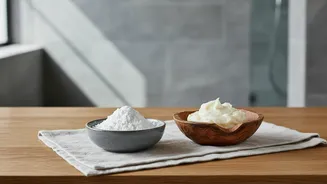
Most DIY recipes rely on zinc oxide, a mineral filter that is a key active ingredient in many commercial sunscreens. However, the effectiveness of zinc oxide depends entirely on its formulation. In a professional lab, cosmetic chemists use specialized equipment to ensure the zinc oxide particles are evenly and stably suspended throughout the product. This is crucial for creating a uniform film on the skin that blocks UV light consistently. At home, using a simple whisk or blender can’t achieve this. The zinc particles will clump together, creating microscopic gaps in coverage. Dr. Aamna Adel, a London-based dermatologist, warns that just because a homemade mixture contains zinc oxide does not mean it is protecting you from UV rays.
The Expert Consensus is Clear
Dermatological associations and skin cancer experts globally are united in their advice: do not use homemade sunscreen. The American Academy of Dermatology states that these products are not proven to be effective and leave users vulnerable to sunburn, premature ageing, and skin cancer. Dr. DM Mahajan, a senior consultant at Indraprastha Apollo Hospitals in New Delhi, emphasizes that while natural ingredients are appealing, it is crucial to rely on scientifically validated products for skin safety. The risk is simply too high. A history of sunburns, especially early in life, significantly increases the risk of developing skin cancer later. Relying on an untested, unregulated product is a dangerous gamble.
Debunking the Myth of 'Natural SPF' Oils
Many online recipes promote the use of natural oils like coconut, shea butter, or raspberry seed oil, often citing misleadingly high SPF values. Scientific studies show these claims are vastly inflated. While some oils have been found to have minimal UV-blocking properties, their SPF is typically below 10, which is insufficient for proper sun protection. For example, coconut oil and shea butter have an SPF of around 7, while others are even lower. Furthermore, some oils can be phototoxic, meaning they can cause skin reactions when exposed to sunlight, and can even act like tanning oils, attracting UV rays and increasing damage.
How to Choose a Safe and Effective Sunscreen
Instead of risking a DIY disaster, experts recommend focusing on finding a professionally formulated sunscreen that you enjoy using every day. Look for products that are labelled 'broad-spectrum', which means they protect against both UVA and UVB rays. For adequate protection, dermatologists recommend a minimum of SPF 30. If you have sensitive skin or are concerned about chemical ingredients, opt for mineral-based sunscreens that use zinc oxide and titanium dioxide, as these are generally well-tolerated. Many modern formulations from Indian, Japanese, and Korean brands offer lightweight, non-greasy options that blend easily into the skin without leaving a white cast, making daily use a pleasure rather than a chore.