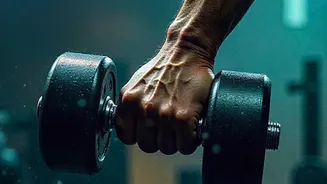






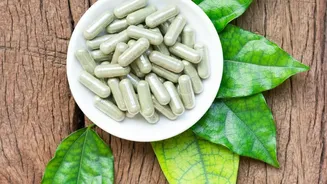
The idea of gaining muscle without lifting a single weight sounds like a fitness fantasy. But a new study is making waves by suggesting creatine, a popular supplement, might do just that. Let's break down what this research really means.
The Holy Grail of Supplements?
For decades, creatine
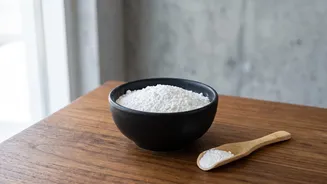
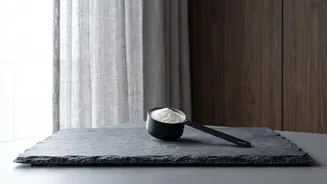
has been a staple in the gym bags of athletes and bodybuilders, known for its ability to boost strength and muscle growth when paired with exercise. It's one of the most researched supplements on the planet. Creatine is a naturally occurring compound that helps your muscles produce energy during heavy lifting or high-intensity exercise. By helping you churn out a few extra reps or lift slightly heavier, it provides the stimulus your muscles need to grow bigger and stronger. But the conversation is changing. Recent scientific interest has shifted toward creatine's potential benefits outside the gym, particularly for preserving muscle mass in situations where exercise isn't possible, such as during injury or as we age.
Decoding the New Research
The headline-grabbing claim comes from a recent 12-week study from Texas A&M University. Researchers looked at healthy adults between the ages of 45 and 65. They found that participants who took creatine gained lean tissue and strength, even if they didn't follow a structured workout program. The non-exercising group that took a daily 10-gram dose of creatine gained roughly 1.1 kg of lean tissue over the 12 weeks. They also saw improvements in their leg press and bench press strength without actively training. The results were even more impressive for those who did exercise, showing that creatine amplified the benefits of their workouts, helping them gain more muscle and lose more body fat than the exercise-only group.
Gains vs. Preservation: The Critical Difference
So, does this mean you can swap your gym membership for a tub of creatine? Not exactly. It's crucial to understand the difference between gaining new muscle (hypertrophy) and preventing muscle loss (atrophy). Most of the dramatic muscle growth associated with creatine happens because it allows you to train harder, providing the stimulus for growth. The new study highlights a different, more protective role. Research into periods of immobilization, like having a limb in a cast, suggests creatine can help mitigate the loss of muscle mass and function. While some studies show it doesn't completely prevent atrophy, it can reduce the severity. Think of it less as a muscle builder in this context and more as a muscle preserver. It helps maintain what you have when your body is under stress or inactive.
Who Really Benefits from Creatine Without Exercise?
This research is particularly promising for specific groups. Middle-aged and older adults face sarcopenia, the natural age-related loss of muscle mass and strength, which can impact mobility and quality of life. For these individuals, creatine could be a valuable tool to help maintain muscle, especially when combined with at least moderate activity. It also shows promise for people recovering from injury who are forced to be sedentary. By helping preserve muscle tissue during a period of disuse, creatine could potentially lead to a faster and more effective rehabilitation process once activity resumes. The supplement also has established cognitive benefits, supporting brain function and memory, which are entirely independent of any exercise routine.
The Bottom Line: A Tool, Not a Replacement
The new findings are exciting because they broaden our understanding of what creatine can do. It's not just for elite athletes anymore. It has clear potential as a tool for healthy aging and recovery. However, no supplement can replicate the profound, whole-body benefits of regular physical activity. The study itself showed that the combination of creatine and exercise yielded the best results by far. Exercise builds cardiovascular health, strengthens bones, improves mood, and is the single most powerful driver of muscle growth and strength. Creatine is a proven, safe, and effective supplement that can support and enhance these efforts, and may offer a protective benefit during periods of inactivity. But it remains a supplement to an active lifestyle, not a substitute for one.