






What Exactly Happened?
The Food Safety and Standards Authority of India (FSSAI) issued a directive on October 4, 2026, for the immediate recall of a specific batch of Everest's pre-packed cumin powder. The action was taken after a sample, collected from a resort in Goa, was tested
and found to contain pesticide residues higher than the Maximum Residue Limits (MRLs) set by the authority. The sample was officially declared 'unsafe' under the Food Safety and Standards Act, 2006. Everest was given a chance to appeal, leading to a second test at a Referral Food Laboratory, which confirmed the initial findings. Following this confirmation, FSSAI mandated a complete withdrawal of the affected batch from the market.
Check Your Pantry: The Affected Batch
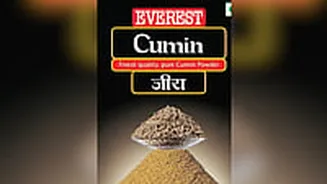
This is not a blanket recall of all Everest products. The FSSAI's order is highly specific and applies only to Everest's pre-packed cumin powder from Batch No. E080668761. Consumers who have recently purchased Everest cumin powder are strongly advised to check the packaging for this specific batch number. If you find that your product matches this batch number, you should not consume it. FSSAI has instructed the company to not only recall the stock but also to maintain complete records of the withdrawal and submit status reports. This ensures a transparent and accountable process.
The Pesticides Found: Azoxystrobin and Thiamethoxam
The two pesticides detected in the cumin powder sample were azoxystrobin and thiamethoxam. Azoxystrobin is a broad-spectrum fungicide used to protect plants and crops from fungal diseases. Thiamethoxam is a systemic insecticide effective against a wide range of agricultural pests. While both are commonly used in agriculture, their residues in food products are strictly regulated. The FSSAI sets Maximum Residue Limits, or MRLs, which are the highest levels of a pesticide residue that are legally tolerated in food. The recall was triggered because the levels of both these pesticides in the tested batch exceeded these legal safety limits.
What Are the Health Implications?
It is important not to panic. Health experts note that accidentally consuming a product with residues above the MRL does not automatically lead to illness. The risk depends on several factors, including the quantity consumed, the frequency of exposure, body weight, and an individual's overall health. These limits are set with a significant safety margin to protect consumers over a lifetime of consumption. The primary concern with pesticide residues is typically related to long-term exposure, which can be associated with various health risks. The regulatory action by FSSAI is a preventive measure designed to remove potentially unsafe products from the food supply chain and protect public health from these long-term risks.
A Pattern of Scrutiny
This incident is not the first time Indian spice brands have faced international and domestic scrutiny. In April 2024, both Everest and MDH products were recalled in Hong Kong and Singapore due to the presence of ethylene oxide, a different contaminant used as a sterilizing agent. Ethylene oxide is classified as a 'Group 1 carcinogen', meaning it is known to cause cancer in humans. Following those international recalls, FSSAI conducted extensive testing within India and had, at that time, reported finding no traces of ethylene oxide in samples. This new recall, though involving different chemicals, highlights the ongoing challenges in maintaining consistent quality control across complex global and domestic supply chains.
What Should You Do Now?
The immediate step for consumers is to check any Everest cumin powder in their homes for the batch number E080668761. If you have this product, dispose of it. FSSAI has directed Everest to undertake corrective measures to prevent such an issue from happening again. For consumers, this incident serves as a crucial reminder to stay informed about food safety alerts. While regulators and companies have their roles, an aware consumer is the final and most important link in the safety chain. Always check for FSSAI licenses on packaged goods and pay attention to public health announcements from the authorities.