







The Seductive Promise of a DNA Diet
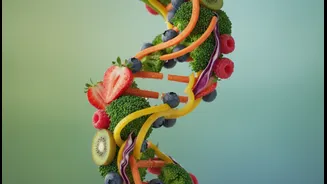
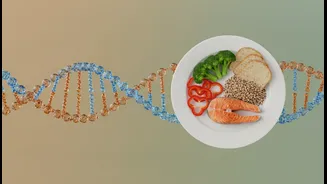
Companies offering direct-to-consumer genetic and microbiome tests claim they can analyse your unique biological makeup to provide a foolproof eating plan. The field, known as nutrigenomics, suggests that by understanding how your specific genes influence
the way you process fats, carbohydrates, and proteins, you can tailor your diet for optimal results. The idea is that if a test tells you you're better off on a low-carb or low-fat plan, you'll have a clear, scientific path to follow. This removes the frustrating guesswork that makes dieting so difficult for many. It feels like a personalized key to unlock your body’s potential, and some studies have shown that people on genetically-matched diets can lose more weight than those on mismatched ones.
Why a Test Is Not a Magic Bullet
Despite some promising findings, the reality is more complex. The scientific community largely agrees that while genetics play a role, these tests are far from definitive. Weight and metabolism are influenced by hundreds, if not thousands, of genes, in addition to countless environmental and lifestyle factors. A test looking at a handful of genetic markers is giving you an incomplete picture. Furthermore, much of the advice generated from these tests boils down to common-sense health recommendations: eat more vegetables, limit processed foods, and watch your sodium intake. The truth is, the science is still emerging, and no test is currently advanced enough to write a perfect, personalized prescription for your diet that guarantees success.
The Real Predictor: Human Behaviour
The most significant limitation of any dietary test is that it cannot measure the most critical variable: you. Long-term adherence to any eating plan has very little to do with your genetic response to macronutrients and everything to do with your psychology, habits, and environment. A test cannot know if you hate the taste of broccoli, if your work schedule makes meal prepping impossible, or if you use food to cope with stress or boredom. Studies on dietary adherence consistently point to behavioural factors, not biology, as the key determinants of success. Things like your motivation, self-efficacy (your belief in your ability to succeed), and social support systems are far more powerful predictors of whether you will stick to a diet.
Finding a Diet That Fits Your Life
Instead of looking for a test to tell you what to eat, the more effective strategy is to find an approach that fits seamlessly into your actual life. Diets often fail not because they are biologically wrong, but because they are unsustainable in practice. A plan that is too restrictive, expensive, or time-consuming is doomed from the start. True sustainability comes from flexibility and enjoyment. If you despise low-carb meals, a keto diet prescribed by a test will feel like a punishment you are unlikely to maintain. Success is found at the intersection of what is healthy for your body and what is manageable for your mind and daily routine. This involves understanding your personal triggers, social situations, and emotional connection to food.
Building Habits, Not Following Rules
The secret to long-term dietary success isn't a secret at all: it's about building small, sustainable habits. Rather than a complete overhaul, focus on incremental changes. Start by adding a serving of vegetables to your lunch, or swapping sugary drinks for water. Focus on creating an environment that supports your goals, like keeping healthy snacks visible and unhealthy ones out of the house. Celebrate non-scale victories, such as having more energy or sleeping better. This builds positive momentum. Most importantly, reframe your thinking. There are no 'good' or 'bad' foods, only patterns. If you have a slice of cake at a birthday party, it isn't a failure; it's just part of a balanced life. This mindset shift from rigid rules to mindful habits is what allows for a healthy relationship with food that can last a lifetime.