
First Steps: Permits and the Road to Dirang
Every great journey in Arunachal Pradesh begins with a crucial piece of paper: the Inner Line Permit (ILP) for Indian citizens, or a Protected Area Permit (PAP) for foreign nationals. This is non-negotiable and must be secured online before you travel.
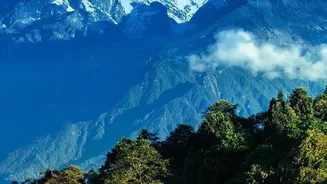
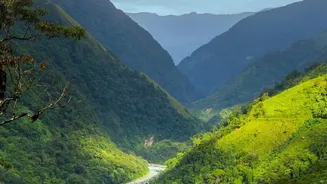
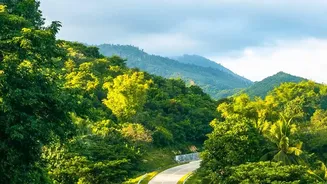
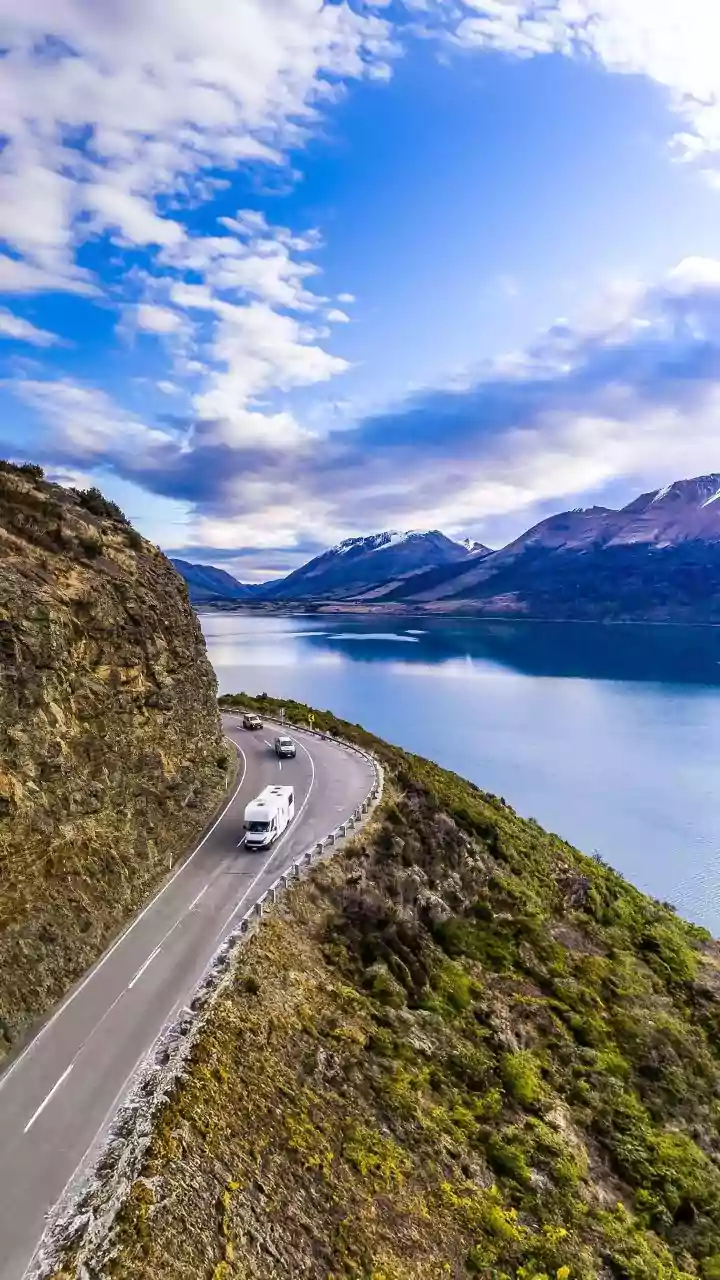
With permits in hand, the adventure starts from the plains of Assam, typically Guwahati or Tezpur. The drive to Dirang is a journey in itself, taking roughly 8-10 hours. As you leave the flatlands, the landscape transforms. The road begins its long, winding ascent into the West Kameng district, trading tropical greenery for cool pine forests and misty mountains. Dirang, nestled in a picturesque valley, serves as the perfect first major stop. It's not just a waypoint but a destination to acclimatise and soak in the tranquil mountain air before pushing higher.
Dirang: A Valley of Calm and Culture
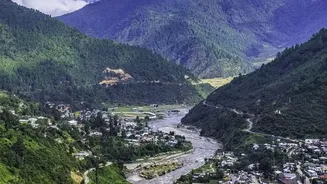
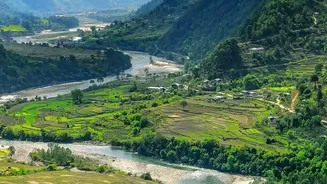
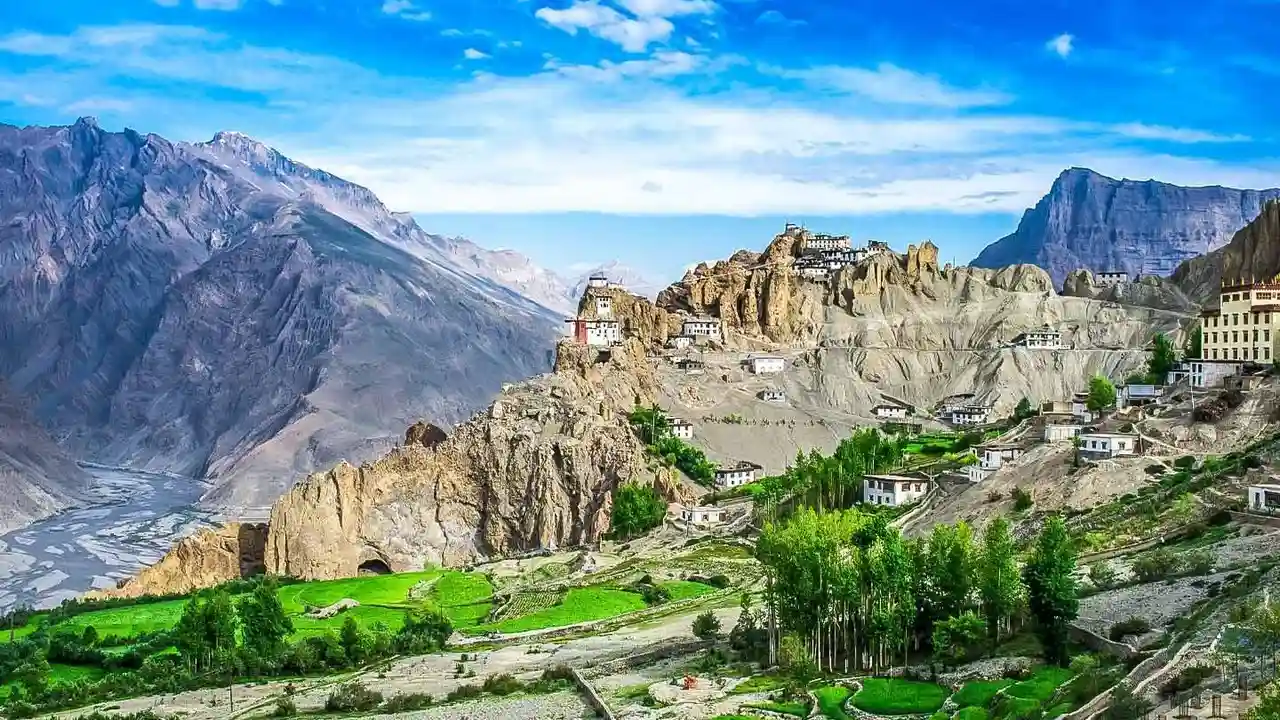
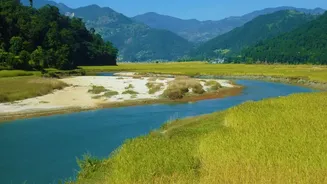
Dirang is a place to pause and breathe. This charming town, situated on the banks of the Dirang River, is a haven of peace. Its main attractions include the Thupsung Dhargye Ling monastery, a magnificent modern centre for Tibetan Buddhism, and the old Dirang Dzong, a historic fort-like structure offering a glimpse into the region's past. The area is also known for its kiwi orchards and the nearby Sangti Valley, a pristine landscape that becomes a temporary home for black-necked cranes in winter. A visit to the local hot springs is a popular way to unwind after a long day of travel. Spending a night or two here is highly recommended to adjust to the altitude and explore the gentle beauty of the valley before tackling the challenging heights of Sela Pass.
The Ascent to Sela Pass
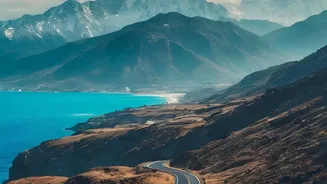
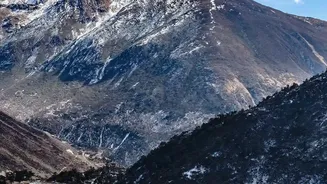
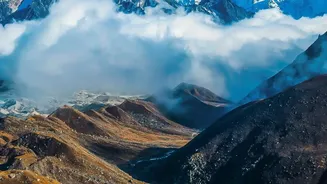
The drive from Dirang to Tawang is defined by one of India’s most iconic mountain gateways: Sela Pass, standing at an altitude of over 13,000 feet. For decades, this pass was notorious for being unpredictable, often shutting down due to heavy snow. However, the game changed with the inauguration of the Sela Tunnel in 2024. This engineering marvel bypasses the highest, most weather-vulnerable sections, ensuring year-round connectivity to Tawang and cutting down travel time. While the tunnel guarantees passage, travelers with time and clear weather should still take the old road over the pass. The reward is the breathtaking Sela Lake, a sacred body of water that remains frozen for much of the winter, surrounded by a stark, beautiful landscape that feels truly otherworldly.
The Final Frontier: The Road to Mago
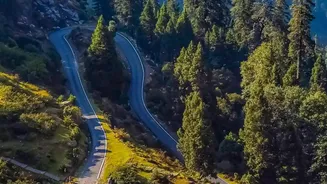
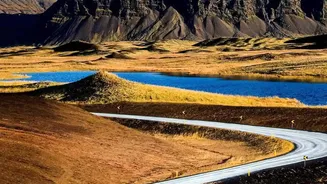
While most travelers continue to Tawang, the ultimate adventure on this circuit lies on the detour to Mago. The journey to this remote village begins from Jang, after descending from Sela Pass. This leg of the trip is not for the faint of heart or the family sedan; a sturdy 4x4 vehicle with an experienced local driver is essential. The road, part of the ambitious Arunachal Frontier Highway, is a marvel of border road engineering, carved into cliff faces and following the Mago Chu river through a narrow gorge. The drive from Tawang to Mago takes around 4-5 hours, covering about 85 kilometres of rugged, dramatic terrain. It's a slow, demanding drive that rewards you with a profound sense of isolation and raw, untamed nature.
Mago: Hot Springs and Himalayan Seclusion
Arriving in Mago feels like reaching one of the last frontiers. This high-altitude village, home to the Monpa and Brokpa yak-herding communities, is a world away from commercial tourism. The main draw here is not a list of sights but the experience itself: the silence, the stark beauty, and the famous natural hot springs. These geothermal pools, located on the banks of the Goshu Chu river, offer a perfect opportunity to soak and rejuvenate in the crisp mountain air. Accommodation in Mago is basic, limited to a government guest house and a few homestays, and connectivity is almost non-existent. A trip here is a digital detox, a chance to witness a way of life intrinsically linked to the high Himalayas and the yaks that sustain the local communities.