





Meet the New Dish
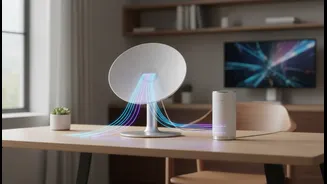
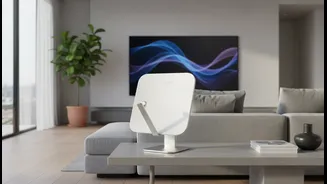
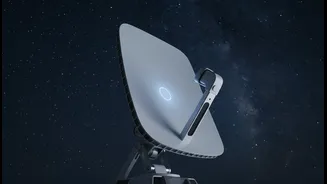
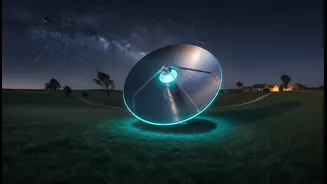
SpaceX has introduced its next-generation residential satellite dish, often referred to as the Gen 3 or 'Standard' model. Visually, it's a departure from its motorised predecessor. The new dish is larger, yet slimmer and lighter, designed to be more stationary
with a simple kickstand for setup. Instead of automatically orienting itself, users will manually align it with guidance from the Starlink app. This design choice reduces the number of moving parts, which can be a significant advantage in harsh weather conditions. It also boasts improved weather resistance and can withstand higher wind speeds. This new hardware, which began rolling out to US customers, is part of Starlink's continuous product evolution as it scales its massive satellite internet constellation.
A Welcome Return to Openness
Perhaps the most significant change for users is not in the dish itself, but in the router and its connections. The previous generation (Gen 2) famously used proprietary connectors and integrated the router's power supply, which frustrated many users. If you wanted to use your own, more powerful third-party router, you had to purchase a special ethernet adapter for an additional cost. The Gen 3 system reverses this decision. The new kit comes with a powerful Wi-Fi 6 router that features two standard RJ45 ethernet ports, hidden behind a weatherproof cover. This welcome change means users can easily plug in their own networking equipment, like a high-performance gaming router or a mesh system to improve coverage, without needing to buy a proprietary dongle.
Why Third-Party Routers Matter
For many households, the included Starlink router is perfectly adequate. The new Gen 3 router is a capable Wi-Fi 6 device, providing faster speeds and better capacity for more devices than its Wi-Fi 5 predecessor. However, power users and those in larger or unusually shaped homes often prefer the advanced features of third-party routers. These can offer superior range, more ethernet ports for wired connections, advanced security settings, and compatibility with sophisticated mesh network systems that eliminate Wi-Fi dead zones. By reverting to standard ethernet ports, SpaceX is acknowledging that one size doesn't fit all. This move empowers customers to build the home network that best suits their specific needs, whether for gaming, running a home office, or connecting dozens of smart devices.
The Strategy Behind the Switch
SpaceX's decision to decouple the dish from the router and re-embrace standard connectors seems to be a strategic one. Firstly, it directly addresses a major point of criticism from the user community, improving customer satisfaction. Secondly, using standard RJ45 ethernet connectors and a separate power supply can simplify manufacturing and repair logistics. Instead of dealing with a proprietary all-in-one cable, both the company and the customer can now use more common and easily replaceable parts. While the new dish is more power-hungry than the Gen 2 model, the overall kit is more flexible. This shift suggests SpaceX is refining its hardware to balance cutting-edge satellite technology with practical, user-friendly design as it prepares for an even larger global user base.
What This Means for India
For potential customers in India, where Starlink's official debut is highly anticipated, this development is promising. The ability to easily integrate a preferred router is a significant plus, especially for tech-savvy users and those in large family homes who may already have invested in a robust local network. The simplified, more durable design of the dish with fewer moving parts could also be an asset in diverse Indian climates. As SpaceX navigates the regulatory landscape to launch services in the country, this more flexible and user-centric hardware makes the service an even more attractive proposition for bridging the digital divide in rural and underserved areas across the nation.