
A Messenger From Another World
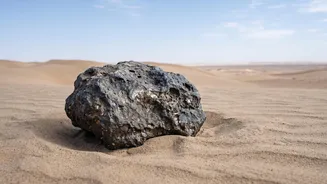
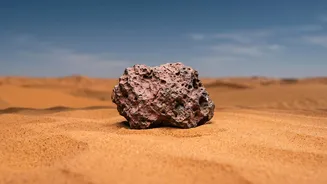
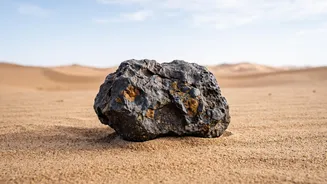
Not all visitors from space are created equal. While meteorites arrive on Earth frequently, those confirmed to be from Mars are exceedingly rare, with only a few hundred identified. Among this exclusive group, some are true scientific superstars. One
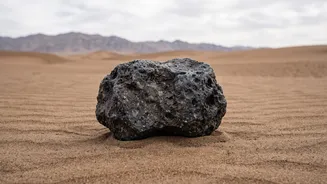
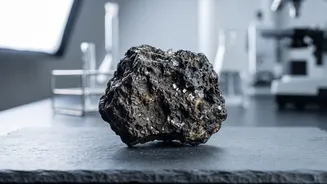
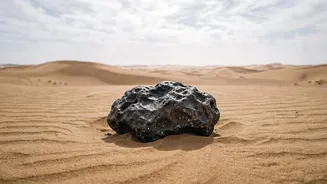
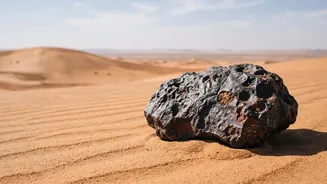
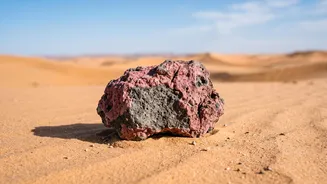
such rock, known as Teghaza 001, was discovered in the Sahara Desert of Mali in 2022. This meteorite, along with another famous specimen called 'Black Beauty' (or NWA 7034), belongs to an even more elite club: they contain some of the oldest materials ever found from Mars. Unlike most Martian meteorites, which are geologically young, these rocks contain components that crystallized more than 4.1 billion years ago, offering a direct sample of the planet's primordial crust.
Reading a 4-Billion-Year-Old Diary
So, how do scientists read the history locked inside a piece of stone? The key lies in tiny, incredibly durable crystals called zircons. Zircons are geological timekeepers; they trap elements like uranium when they form, which then decays into lead at a predictable rate. By measuring the ratio of uranium to lead, scientists can precisely date when the zircon crystal solidified from magma. Analyses of zircons within Teghaza 001 and other ancient meteorites have yielded ages of over 4.1 billion years, placing their formation in the earliest chapters of the solar system's history. These microscopic crystals do more than just tell time; their chemical composition also holds clues about the environment in which they formed, including the temperature and the presence of other elements.
A Glimpse of Mars's Primordial Crust
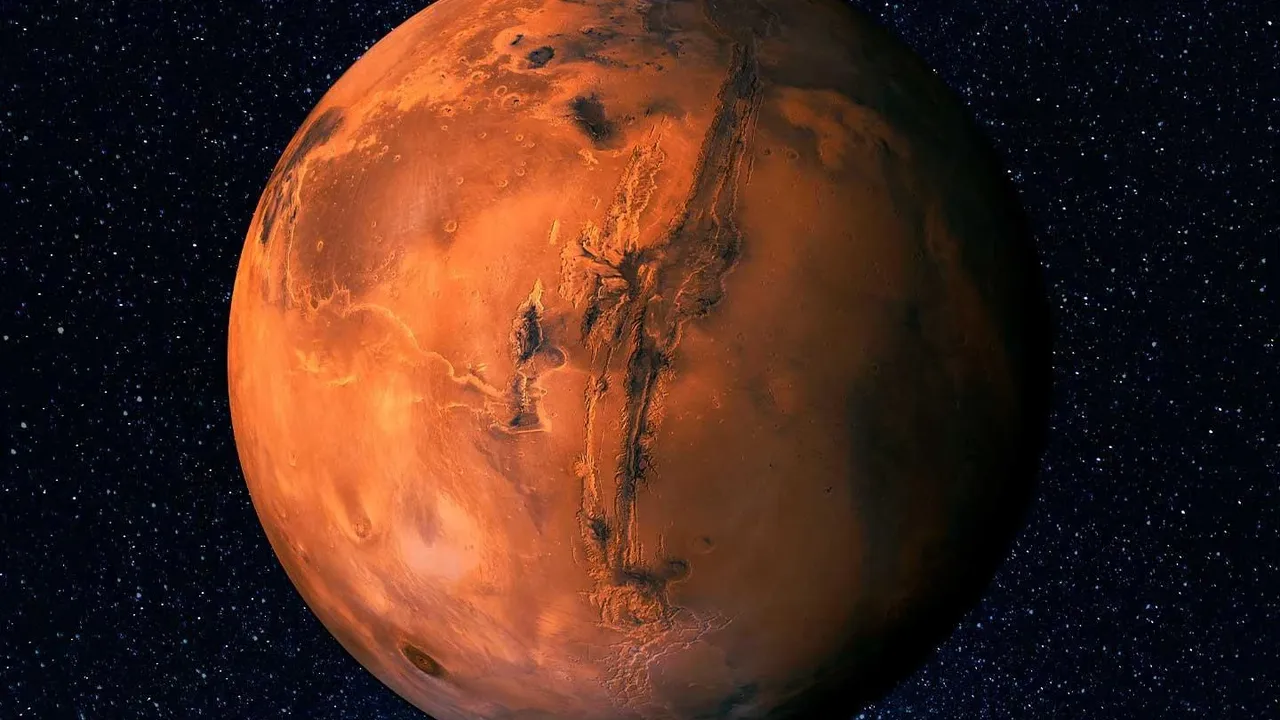
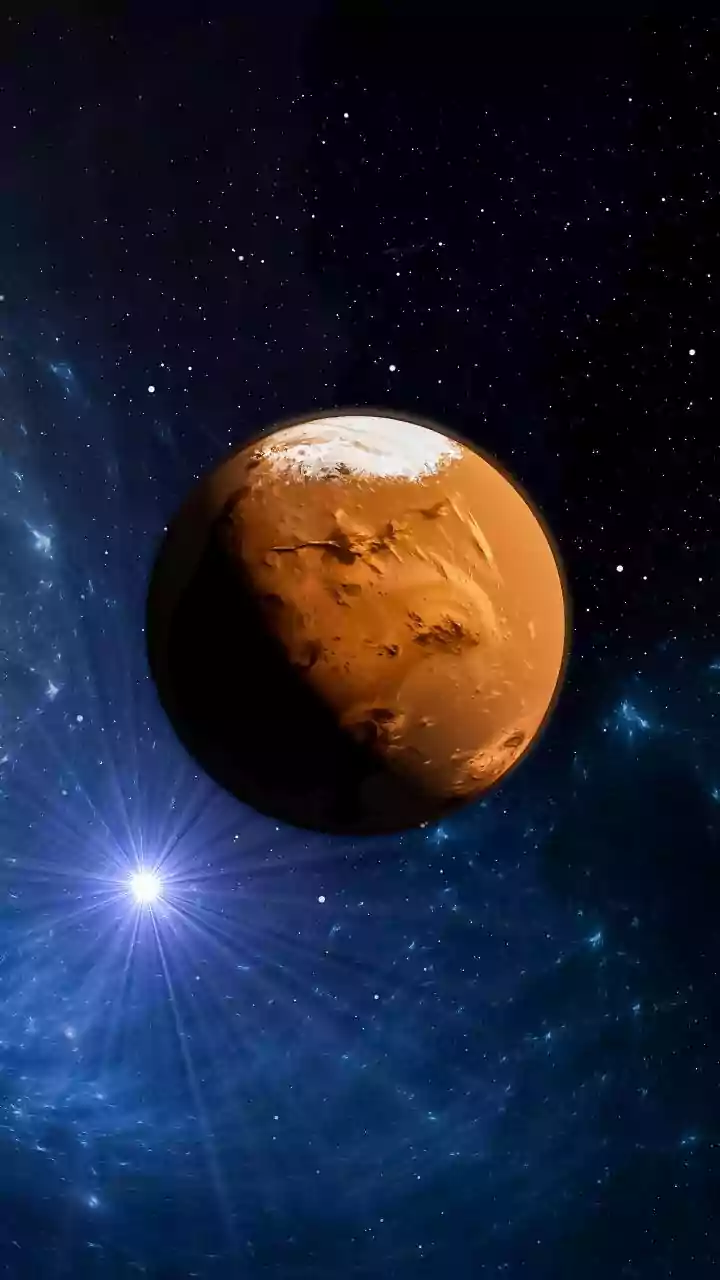
The evidence from these ancient rocks suggests that Mars's earliest crust was surprisingly complex. The composition of Teghaza 001, for instance, indicates it formed from cooling magma deep within a part of the Martian crust that scientists had never sampled before. It tells a story of a planet whose crust formed very early in its history. This contrasts sharply with Earth, where plate tectonics constantly recycles the crust, destroying most evidence of our own planet's first billion years. Mars, lacking large-scale plate tectonics, has preserved parts of its original, primordial crust, and meteorites like these are our first physical samples of it. Some studies suggest the area where Black Beauty originated may have been a relic of this ancient crust, showing similarities to Earth's continents today.
Violent Impacts and Watery Clues
The journey of these rocks to Earth was a violent one. They were blasted off the Martian surface by massive asteroid or comet impacts millions of years ago. In fact, detailed analysis of a zircon crystal from Black Beauty revealed shock damage consistent with pressures seen only in giant impact craters, suggesting Mars was being pummeled by large asteroids later than previously thought. But destruction also brought discovery. The most exciting finding is the clear evidence of water. Chemical analysis of Teghaza 001 shows it was altered by water at least 4.1 billion years ago. The presence of certain elements and altered minerals suggests the rock interacted with hot, mineral-laden water circulating deep within the Martian crust shortly after it formed, painting a picture of a warm, wet, and dynamic early Mars.
Why This Changes Everything for Life on Mars
The discovery of liquid water interacting with rocks over four billion years ago has profound implications for the search for life. On Earth, hydrothermal systems, like the hot springs found in volcanic regions, are considered prime locations for the origin of life. The evidence from these meteorites suggests that Mars had similar environments — hot water circulating through a stable, rocky crust — at the same time that life was just beginning on our own planet. While this doesn't prove that life ever existed on Mars, it confirms that the necessary ingredients and conditions were present very early in its history. This makes the ancient highlands of Mars an even more compelling target for future missions seeking to answer one of humanity's biggest questions.