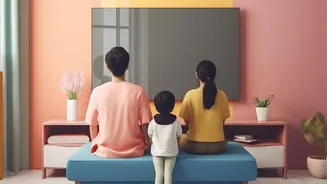









The Well-Intentioned Interruption
In modern parenting, there is immense pressure to be constantly engaged. We want to connect with our children, understand their thoughts, and show them they are loved and seen. Asking questions feels like a direct line into their world. This instinct
comes from a good place—a deep-seated desire to be an involved, attentive parent. We see a quiet moment and perceive a vacuum that needs to be filled with connection or activity. However, interrupting a child's quiet state can sometimes do the opposite of what we intend. Instead of fostering connection, it can pull them out of a state of deep focus, imagination, or emotional processing. While it may seem like just a simple question, it can disrupt the vital “work” of childhood: play and contemplation.
The Hidden Power of Doing Nothing
When a child is left to their own quiet devices, their brain isn't just idle; it's actively at work. This unstructured time is a developmental powerhouse. It's during these moments of solitude that creativity and imagination flourish. Without external instructions, a child learns to create their own games, invent scenarios, and build entire worlds in their mind. This is where they begin to solve problems on their own, whether it’s figuring out how to balance a tower of blocks or navigating a complex feeling. Experts suggest that this downtime helps the brain process new information, regulate emotions, and reduce stress. In essence, quiet time acts as a crucial reset button in a world full of constant stimulation.
Building a Resilient Inner World
A child who is comfortable with quiet and even boredom is a child who is learning to be self-reliant. By constantly entertaining them or directing their focus, we can inadvertently rob them of the chance to develop a rich inner life. Allowing for solitude helps children build independence and self-direction; they learn to look within for entertainment and solutions rather than always seeking them externally. This builds a foundation for emotional resilience. When a child learns to sit with their own thoughts and feelings—happy, sad, or frustrated—they are developing the tools for self-regulation that will serve them for a lifetime. They learn that they are their own best company and can navigate their emotional landscape without needing constant intervention.
When to Ask and When to Observe
This isn't a call to ignore your child. The key is to become a skilled observer. There is a difference between a child who is contentedly daydreaming and one who is withdrawn or showing signs of sadness. Learning to read their non-verbal cues is paramount. If a child seems genuinely distressed, lonely, or is consistently isolated, that is a time to gently check in. But if they are simply staring at a spider weaving its web, engrossed in arranging their toys, or humming quietly to themselves, your role can shift from director to appreciative audience. You can show your love and attention through a quiet smile or by simply being present in the same room, offering a silent form of support that respects their personal space and concentration.
The Gift of Letting Go
Resisting the urge to fill every silent moment is a gift not only to your child but also to yourself. It relieves you of the burden of being a constant entertainer and activity director. It creates a calmer, less frantic home environment where everyone has room to breathe and just be. Embracing these quiet moments teaches a powerful lesson: that it’s okay to be bored sometimes. In fact, it is out of boredom that some of the best ideas and most creative adventures are born. By allowing our children their quiet, we are not abandoning them; we are trusting them. We are giving them the space they need to grow into creative, resilient, and independent thinkers who know how to listen to the most important voice of all: their own.