






What Is This Nationwide Power Switch?
While there isn't one official project called the 'Big Bang Power Switch', the term perfectly captures the essence of India's multi-pronged strategy to modernize its energy infrastructure. It's a nationwide movement to upgrade everything from the humble
light bulb to the entire electrical grid. This transition is driven by the need to meet growing energy demands, improve efficiency, reduce carbon emissions, and make the power supply more stable and affordable for over a billion people. At its core, this is about making smarter energy choices on a massive scale, moving away from legacy technologies that waste power and money towards a more sustainable and technologically advanced future.
The Smart Meter Revolution
A cornerstone of this transformation is the Smart Meter National Programme, operating under the ambitious Revamped Distribution Sector Scheme (RDSS). The goal is to replace millions of conventional electric meters with intelligent smart meters. Just recently, the government confirmed projects to install nearly 20 crore (200 million) smart meters. Unlike old meters that require manual reading, smart meters provide real-time data on electricity consumption, communicating directly with the power company. For consumers, this means an end to estimated bills, greater control over their energy usage, and quicker outage detection. For the power distribution companies (Discoms), it means a drastic reduction in power theft and losses, better load management, and a more financially stable grid.
Lighting Up India, Efficiently
Perhaps the most visible success story of this energy switch is the Unnat Jyoti by Affordable LEDs for All (UJALA) scheme. Launched in 2015, this program has been instrumental in replacing power-guzzling incandescent bulbs with highly efficient LED lights. Before UJALA, LED bulbs were expensive and out of reach for many. Through bulk procurement, the government drastically lowered the cost, making them affordable for everyone. The results have been staggering. The scheme has distributed hundreds of millions of LED bulbs, saving billions of kilowatt-hours of electricity and significantly reducing household electricity bills and carbon emissions across the country. It demonstrated how a simple switch, when done on a national scale, can have a colossal impact.
Beyond Bulbs and Meters
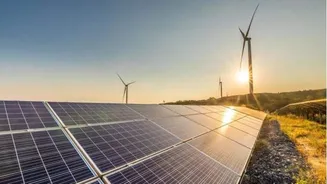
The power switch extends far beyond lighting and metering. India's energy transition is a comprehensive strategy that touches multiple sectors. The Bureau of Energy Efficiency's (BEE) Star Rating program encourages the adoption of energy-efficient appliances like air conditioners, refrigerators, and fans. There is a growing push to electrify industrial processes, moving factories away from fossil fuels. Furthermore, the country is aggressively scaling up its renewable energy capacity, aiming to become a global powerhouse in solar and wind power. This larger grid modernization is crucial, as a smarter, more efficient grid is needed to handle the intermittent nature of renewable energy sources and ensure a reliable power supply for all.
Why This Matters for You
This national overhaul of the power system has direct benefits for every Indian citizen. The immediate impact is often seen in lower electricity bills, as efficient appliances and LEDs consume significantly less power. Smart meters provide the transparency needed to manage household budgets more effectively. On a larger scale, this transition leads to a more stable and reliable power grid, which means fewer power cuts and better quality of service. By reducing transmission and distribution losses, it makes the entire power sector healthier and more sustainable. Ultimately, participating in this 'Big Bang Power Switch'—whether by using an LED bulb or benefiting from a smart meter—is a collective step towards a more energy-independent and environmentally responsible India.