

More Than Just a Container
The first step to elevating your indoor garden is to recognise that a planter is as important as the plant itself. A ceramic pot is not just a functional item to hold soil; it's a decorative accent that contributes to the room's overall aesthetic. Whether
you prefer a sleek, modern look or a rustic, earthy vibe, the right ceramic planter can tie your plant into the existing decor. Think of planters as you would throw pillows or art—they are opportunities to introduce colour, texture, and shape. By selecting pots that complement your furniture, wall colours, and other design elements, you begin to treat your plants as intentional parts of the interior design rather than simple afterthoughts. This mindset shift is key to creating a display that looks curated and sophisticated.
The Power of Grouping
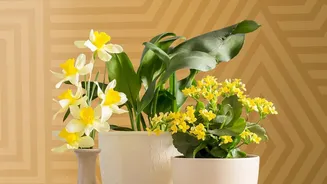
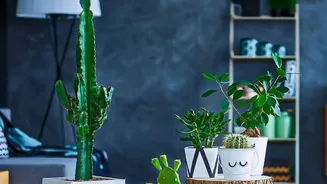
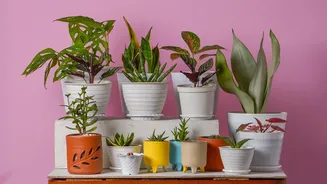
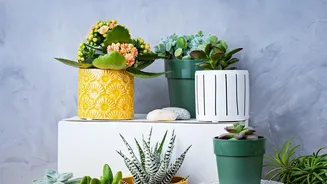
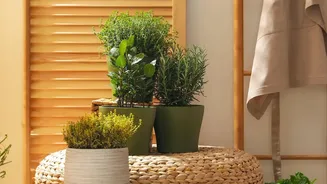
A single potted plant can be beautiful, but a well-arranged group creates a powerful focal point and a lush, vibrant atmosphere. Grouping plants instantly gives them more visual weight, turning an empty corner or a bare surface into a deliberate design moment. Interior designers often use the “rule of three,” which suggests that arrangements in odd numbers are more appealing and natural to the human eye. Clustering three or five ceramic pots of varying sizes creates a dynamic and balanced display. This technique prevents the arrangement from feeling too symmetrical or static, resulting in a more organic and professionally styled look. The goal is to create a small, curated vignette that draws the eye and makes a statement.
Harmonise with Colour and Texture
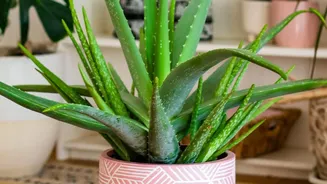
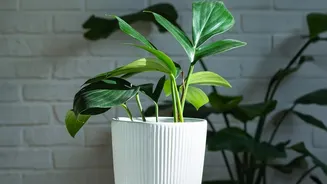
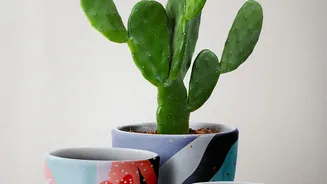
Colour is a powerful tool for creating cohesion. You can achieve a unified look by choosing ceramic pots within a specific colour palette. For a calm, minimalist feel, stick to neutral tones like white, grey, or beige. An all-white or all-black collection of planters can create a sleek, modern aesthetic. Alternatively, you can use your planters to introduce a pop of colour that complements other accents in the room, such as artwork or textiles. Beyond colour, texture plays a vital role in adding depth and interest. Combining different finishes—such as glossy, matte, ribbed, or hand-painted ceramics—creates a rich, tactile experience. The interplay between a smooth, glazed pot and a rough, unglazed one can make a grouping feel much more dynamic and thoughtfully assembled.
Vary Height and Scale for Interest
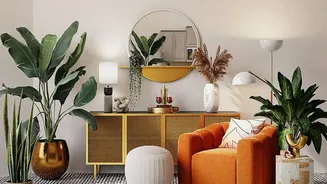
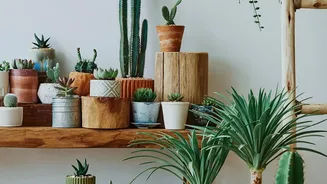
A flat, one-level display can look monotonous. The key to a professional-looking arrangement is to play with height and scale. Combine tall, medium, and small planters to create layers and guide the eye through the display. You can use plant stands, stack pots on books, or simply select planters of different inherent sizes to achieve this effect. A large floor planter can act as an anchor for the space, while smaller pots can be arranged on shelves or tabletops. This variation in scale not only makes the grouping more visually interesting but also helps mimic the diversity found in nature. For a balanced look, a common rule of thumb is to choose a pot that is about one-third the height of the plant it holds.
Strategic Placement is Everything
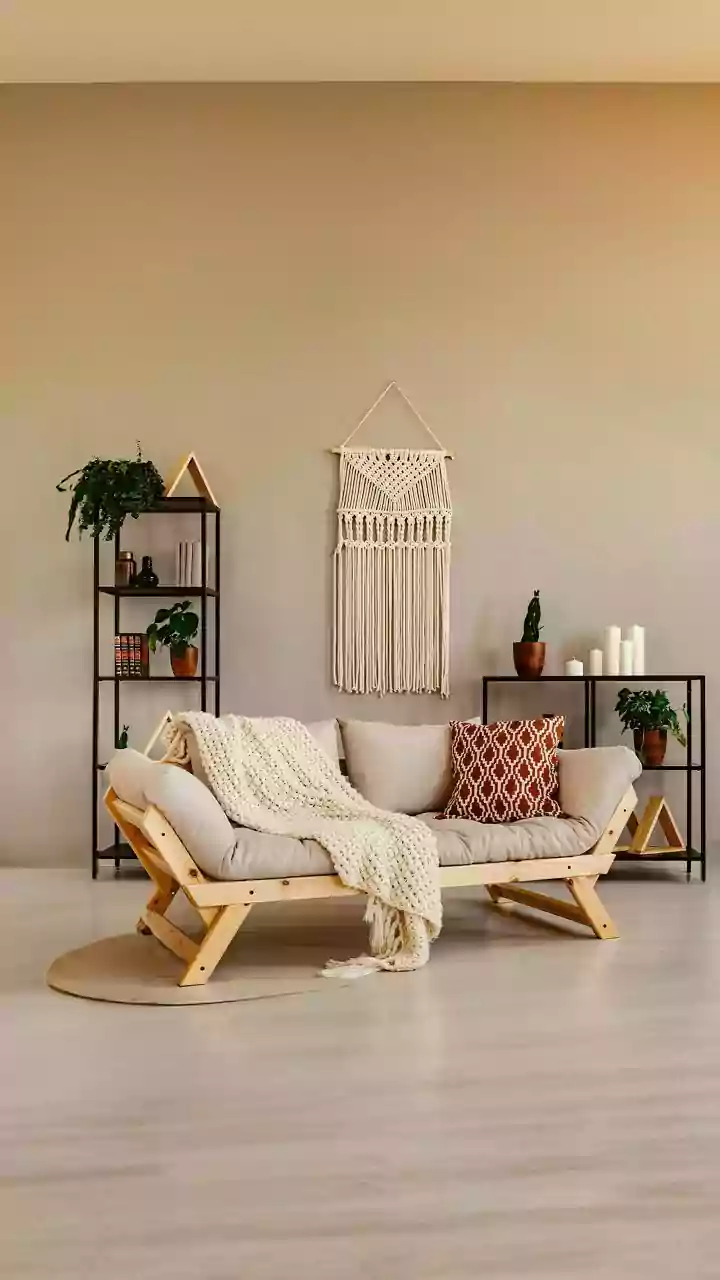
Where you place your grouped planters has a huge impact on the room's overall feel. Empty corners are prime real estate for a lush plant display, instantly transforming a neglected area into a vibrant feature. A cluster of pots can serve as a stunning focal point in an entryway or living room. Consider layering your plants at different levels throughout a space to create a cohesive green thread. You could place a large pot on the floor, a medium one on a side table, and a small one on a nearby bookshelf. This approach integrates the greenery into the room at multiple eye levels, making the entire space feel more balanced and alive. Don't forget about shelves, mantels, and even wide windowsills, which are perfect for showcasing smaller groupings.