


An Ancient and Diverse Granary
Long before modern agriculture, India was a land of incredible grain diversity. Archaeological evidence from the Indus Valley Civilization shows the cultivation of wheat and barley, but also millets and rice. For millennia, different regions cultivated
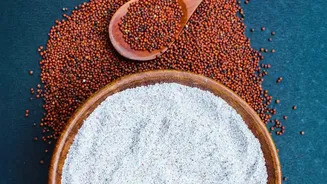
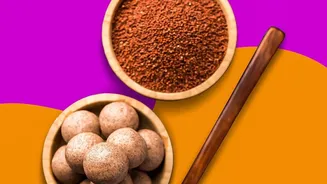
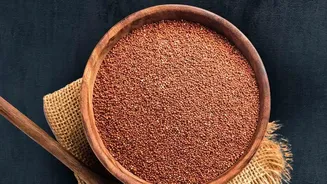
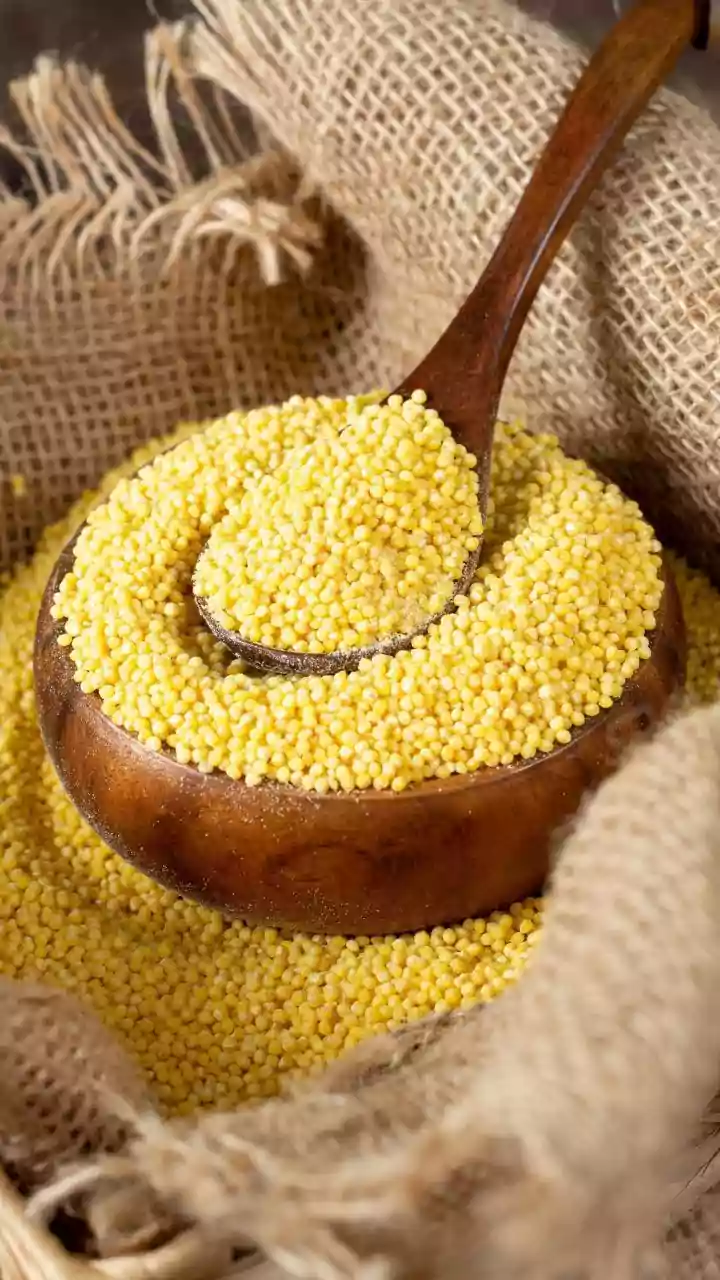
grains best suited to their climates. Millets—a group of hardy, small-seeded cereals—were a cornerstone of this system. Varieties like jowar (sorghum), bajra (pearl millet), and ragi (finger millet) were not niche health foods; they were everyday staples. Mentions of millets appear in ancient Vedic texts like the Yajurveda, indicating they were central to life and culture pre-dating the Bronze Age. These grains were resilient, required little water, and could thrive in arid soils where wheat and rice would fail, making them a lifeline for vast parts of the country.
The Rise of Wheat and Rice
The shift towards a duopoly of wheat and rice was a relatively recent development, accelerated dramatically in the mid-20th century. Following independence, India faced significant food shortages and relied on foreign aid. To achieve self-sufficiency, the government launched the Green Revolution in the 1960s. This initiative focused on promoting high-yielding varieties (HYVs) of wheat and rice. Supported by government policies, subsidies, expanded irrigation, and chemical fertilizers, the production of these two grains skyrocketed. India successfully moved from a food-deficit nation to a self-sufficient one, a monumental achievement that averted famine. However, this success came at a cost: the marginalisation of traditional grains.
How Traditional Grains Got Left Behind
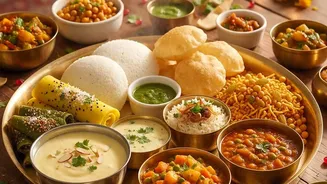
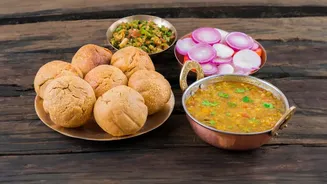
The Green Revolution's focus on wheat and rice had unintended consequences. Farmers, incentivised by higher profits and government support, replaced diverse, traditional crops with monocultures of the new staples. Before the Green Revolution, millets constituted around 40% of all cultivated grains in India; this share plummeted as rice and wheat took over. A cultural shift also took place. Millets came to be seen as 'coarse' or 'poor man's food', while polished white rice and refined wheat became symbols of urban modernity and prosperity. Traditional recipes began to fade from urban kitchens, and entire generations grew up with a diet centred almost exclusively on these two grains, causing a deep disconnect from India's rich agricultural heritage.
The Great Grain Revival
Today, the wheel is turning once again. A growing awareness of health and nutrition is driving a powerful revival of India's 'forgotten' grains. Millets are being rediscovered as nutritional powerhouses—naturally gluten-free and packed with fibre, protein, iron, calcium, and other essential minerals. Unlike refined wheat and rice, they have a low glycaemic index, making them ideal for managing blood sugar levels. This renewed interest is not just about nostalgia. Consumers are seeking sustainable and climate-resilient foods, and millets fit the bill perfectly. They are 'climate-smart' crops that require significantly less water than rice and thrive without heavy chemical inputs, making them better for the environment and for farmers in drought-prone regions. Recognising this potential, the United Nations, at India's behest, declared 2023 the International Year of Millets, bringing these ancient grains onto the global stage.