


An Unlikely Star of the Dessert Plate
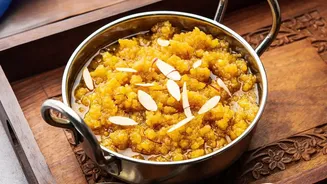
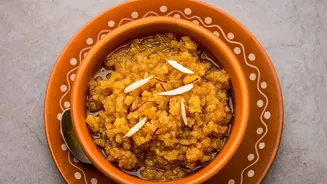
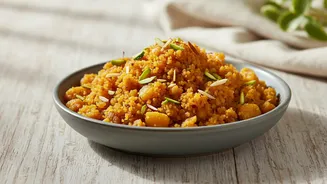
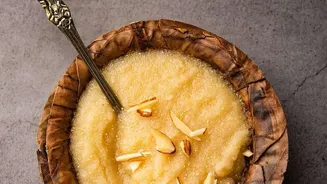
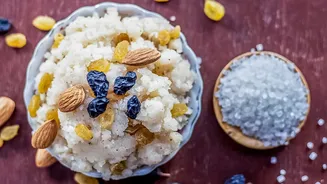
Potato halwa, or Aloo ka Halwa, is a beloved sweet pudding from North India. If you’ve never tried it, the idea might seem unusual, but one spoonful is enough to understand its appeal. Made from boiled and mashed potatoes sautéed in ghee with sugar and milk,
the dish has a surprisingly smooth, melt-in-your-mouth texture. It’s a staple during religious fasts (vrat), particularly for festivals like Navratri, Shivratri, and Ekadashi. This is because grains are often avoided during these periods, and potatoes provide a welcome source of carbohydrates and energy. The halwa is not just filling; it's a rich, comforting dish that makes fasting feel like a feast.
The Golden Touch of Saffron
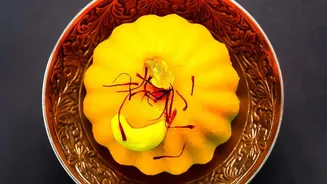
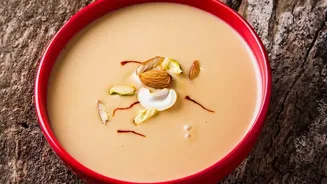
While Aloo ka Halwa is delicious on its own, a few strands of saffron elevate it from a simple sweet to something truly special. Saffron does more than just add a beautiful golden-yellow hue; it imparts a subtle, floral aroma and a complex flavour that cuts through the sweetness. The spice has long been prized in Indian and Persian cuisines for its ability to signal a festive or luxurious occasion. For the best results, don't just sprinkle the strands in. The secret is to 'bloom' the saffron first. Gently warm a few tablespoons of milk—not boiling, just warm to the touch—and steep the saffron threads for about ten minutes before adding the mixture to your halwa. This process helps the saffron release its full colour and aroma, ensuring every bite is infused with its magic.
From Humble Spud to Halwa
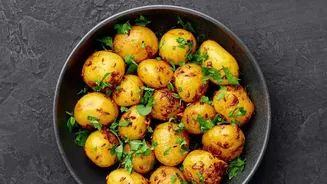
The journey to a perfect Aloo ka Halwa begins with simple ingredients. First, boil about half a kilogram of potatoes until they are completely tender. Once they are cool enough to handle, peel them and then grate them. Grating is a crucial step that ensures a silky, lump-free texture. In a heavy-bottomed pan, heat a generous amount of ghee—about three to four tablespoons. Add the grated potatoes and sauté them over medium heat for seven to eight minutes. You’ll need to stir frequently as the potato cooks and roasts in the ghee, its colour slowly deepening. Next, add the sugar, adjusting the amount to your preferred level of sweetness. As the sugar melts, the mixture will become more liquid. Continue cooking, and this is when you’ll pour in your saffron-infused milk.
Bringing It All Together
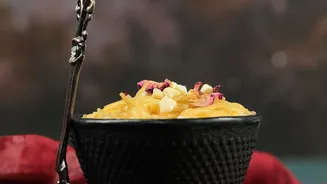
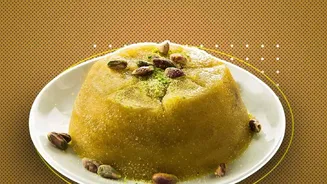
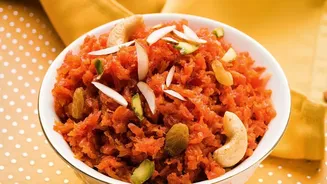
As you continue to stir, the halwa will begin to thicken. This is the moment of transformation, where the mixture comes together into a cohesive, glossy mass. A classic sign that the halwa is ready is when it starts to pull away from the sides of the pan. The process requires patience and constant stirring to prevent it from sticking, but the reward is worth it. Just before finishing, stir in a teaspoon of cardamom powder for a final layer of warm fragrance. Many cooks also like to add chopped nuts like almonds, cashews, or pistachios at this stage, providing a delightful crunch to contrast with the soft pudding. For an extra rich finish, a final teaspoon of ghee can be stirred in to give the halwa a beautiful sheen before serving. Serve it warm, garnished with a few extra slivered nuts.