




An Ocean World Sending Out Samples
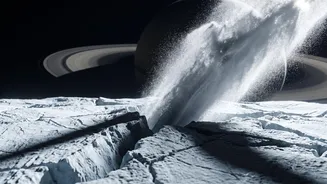
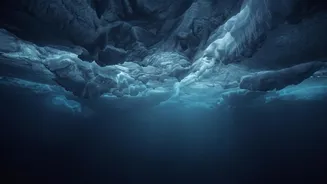
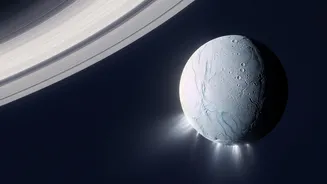
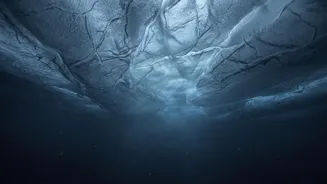
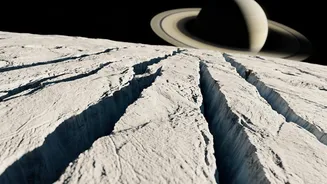
Just 500 kilometres across, Enceladus is a tiny moon with a giant secret: a global ocean of liquid saltwater hidden beneath its frozen crust. This ocean doesn't stay hidden. Huge plumes of water vapour and ice grains erupt from massive cracks near its south
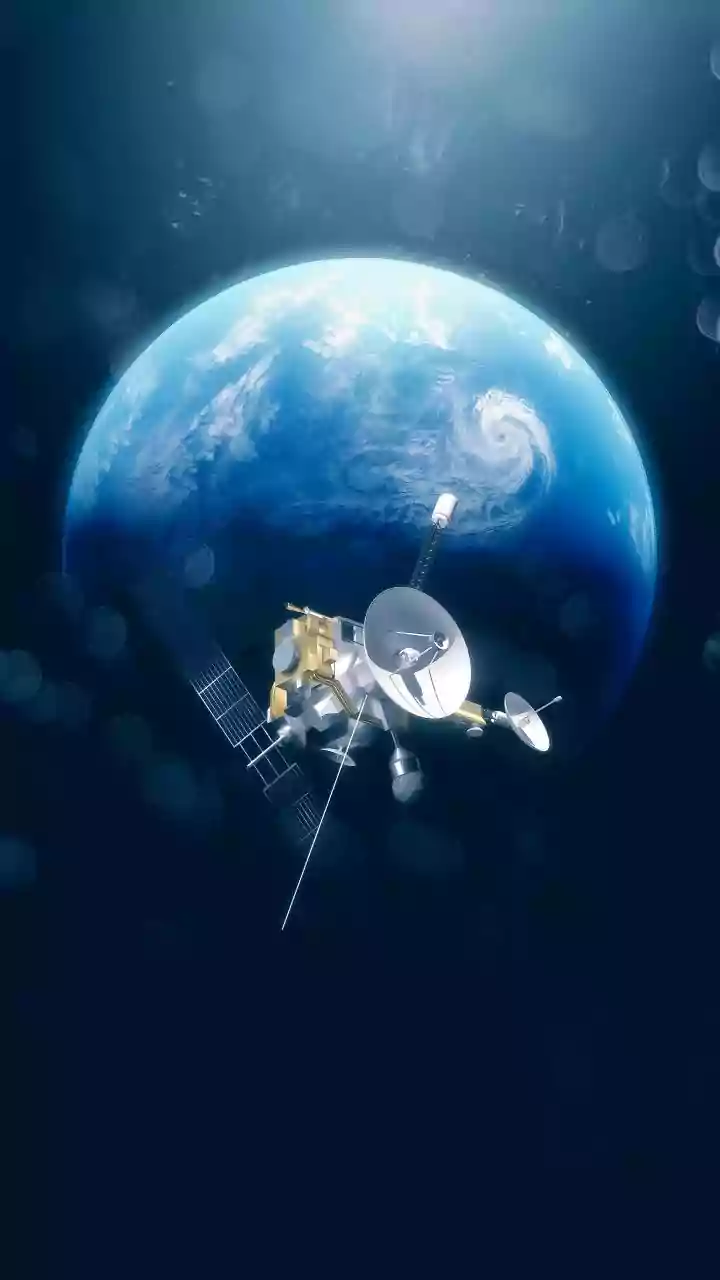
pole, jetting hundreds of kilometres into space. This cosmic spray gives scientists a unique opportunity. During its mission, NASA’s Cassini spacecraft flew directly through these plumes, tasting the ocean's chemistry without ever having to land. The data it sent back was astounding, revealing an ocean rich in salts and organic compounds—the basic building blocks of life. It was clear Enceladus had most of the necessary ingredients, making it a prime target for astrobiology.
Simulating an Alien Ocean on Earth
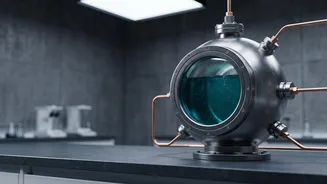
The latest breakthroughs didn't come from a telescope, but from laboratories in Germany. Scientists published two key studies that dramatically bolster the case for Enceladus's habitability. In one experiment, they wanted to see if Earth-based life could survive in the moon's specific, and rather harsh, environment. They recreated the high-pressure, alkaline (pH 11), and oxygen-poor conditions believed to exist at hydrothermal vents on Enceladus's seafloor. They then introduced a microbe from Earth's own deep-sea vents, a methane-producer called Methanothermococcus okinawensis. To their surprise, the organism not only survived but thrived, producing methane even with very little carbon dioxide, a condition previously thought to be a major barrier to life.
Nature's Concentrator
The second study solved a long-standing puzzle from the Cassini data: why were the ice grains in the plume so chemically different from each other? New lab work and models showed that as ocean water rises through the icy cracks, it freezes slowly. This slow-freezing process naturally separates and concentrates the dissolved contents, like salts and organic molecules, into different parts of the ice. As the ice travels further and shatters into the tiny grains Cassini sampled, these concentrated pockets remain intact. This means that if biosignatures—chemical traces of life—exist, they would also be concentrated in a fraction of these grains, making them much easier for a future mission to detect. As one scientist put it, Enceladus does the hard lab work for us.
Making the Case for a Return
This pair of findings provides a powerful one-two punch. First, it shows that a known type of metabolism from Earth could work in the alien environment of Enceladus. Second, it suggests that nature has created a system that makes finding evidence of that life comparatively easy. Together, this evidence makes the scientific and political argument for a dedicated life-finding mission more compelling than ever. Proposed concepts like NASA's Enceladus Orbilander, which would orbit the moon sampling its plume before landing on the surface, now have even stronger justification. These missions would be equipped with more sensitive instruments than Cassini had, capable of directly searching for the complex organic molecules and other tell-tale signs of active biology.