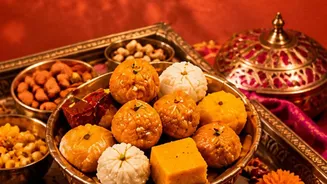







The Diwali lights have dimmed, but the aftermath of festive feasting can leave you feeling sluggish and guilty. Before you jump into an extreme detox, experts advise a gentler approach is far more effective for your long-term health.
Why Extreme Diets Do More Harm Than Good
The temptation to
'punish' your body with crash diets, juice cleanses, or severe calorie restriction after a period of indulgence is common. However, these methods are often unsustainable and can backfire. Drastic diets can lead to nutrient deficiencies, muscle loss, and intense cravings, which often result in a cycle of bingeing and restricting. Cardiologists note that the goal isn't to undo the festivities but to gently guide your body back to a state of balance. The focus should be on consistency and nourishment, not deprivation.
The Cardiologist's View: Heart Health After Feasting
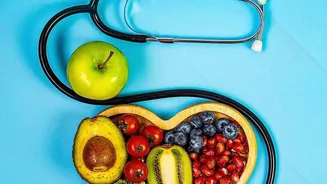
Festive foods, often rich in salt, sugar, and saturated fats, can put a temporary strain on your cardiovascular system. High sodium intake can lead to water retention and a spike in blood pressure. Similarly, excessive sugar and unhealthy fats can increase inflammation and affect cholesterol levels. The phenomenon known as 'holiday heart syndrome' describes how even healthy individuals can experience an irregular heartbeat, like atrial fibrillation, after overindulging. A cardiologist’s advice centres on returning to habits that support stable blood pressure and reduce inflammation.
Step 1: Hydrate Before You Do Anything Else
Your first and most simple step is to rehydrate. After days of salty snacks and sugary sweets, your body may be dehydrated. Start your day with a glass of warm water, perhaps with a squeeze of lemon. Throughout the day, focus on sipping plain water, herbal teas, or coconut water to help flush out excess sodium and reduce bloating. Proper hydration supports kidney function and aids digestion, making it a crucial foundation for your post-festival reset.
Step 2: Return to Simple, Home-Cooked Meals
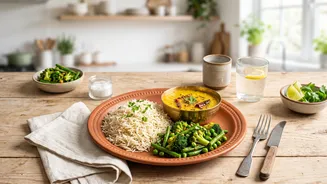
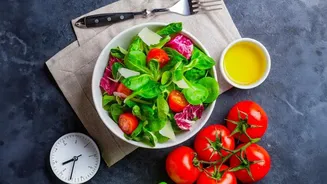
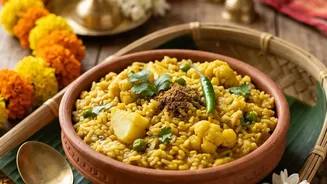
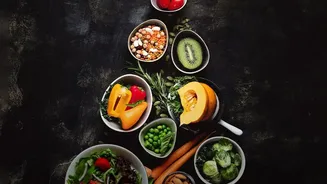
Instead of skipping meals, which can lead to overeating later, focus on reestablishing a routine of regular, balanced meals. Opt for light, homecooked food that is easy on the digestive system. Think simple dals, khichdi, vegetable soups, and rotis with sabzi. These meals are packed with nutrients and fibre without the excess oil and sugar of festive dishes. The goal is to provide your body with the wholesome food it needs to recover, not to starve it.
Step 3: Repopulate Your Plate With Fibre And Protein
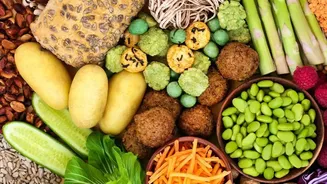
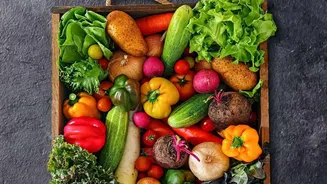
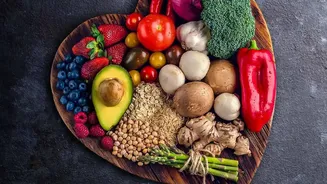
Make a conscious effort to add fibrerich foods back into your diet. This includes plenty of fresh, seasonal fruits and vegetables, whole grains, and legumes. Fibre is essential for good digestion and helps stabilise blood sugar levels. Don't forget protein from sources like curd, paneer, sprouts, and lentils at each meal. Protein helps you feel full and satisfied, reducing the urge to graze on leftover Diwali sweets. A handful of nuts and seeds can also be a great snack.
Step 4 : Incorporate Gentle Movement
You don't need to hit the gym for a high -intensity workout to 'burn off' the calories. In fact , gentle movement is more beneficial in the immediate aftermath of festivities . A $20 -30$ minute walk , especially after meals , can aid digestion , improve circulation , and help regulate blood sugar levels . Light yoga or stretching can also help reduce stiffness and boost your energy levels naturally . The key is consistency , not intensity .