
Beyond the Crudité Platter
Carrots, celery, radishes, jicama, kohlrabi. We know them, we buy them with the best of intentions, and then we relegate them to one of two fates: the sad veggie tray at a party or the bottom drawer of the refrigerator. Their defining characteristic—a
satisfying crunch—has also become their culinary prison. We think of them as things to be eaten raw, a vehicle for dip or a last-resort healthy snack. While there's nothing wrong with a fresh, raw vegetable, this one-dimensional view means we’re missing out on a world of flavour and texture. These vegetables are far more versatile than we give them credit for, capable of being sweet, savory, tender, and complex.
The Magic of High Heat
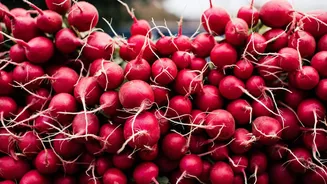
One of the most transformative things you can do to a crunchy vegetable is introduce it to high heat. Roasting, grilling, or even a quick pan-sear changes everything. When you roast radishes, their peppery bite mellows into a surprising, juicy sweetness. Sliced carrots, tossed in a little oil and salt and roasted until their edges caramelize, become addictive morsels that taste more like candy than a root vegetable. Even celery, often dismissed as watery and stringy, becomes deeply savory and tender when braised or roasted, its flavour concentrating into something entirely new and delicious. This process of caramelization brings out the natural sugars in the vegetables, creating a depth of flavour that raw preparations simply cannot achieve.
The Power of a Quick Pickle
If you're looking for a way to enhance the crunch rather than cook it away, look no further than a quick pickle. This isn't the long-term canning project of your grandmother's generation. A simple brine of vinegar, water, sugar, and salt, poured over thinly sliced radishes, carrots, or jicama, can transform them in as little as an hour. The result is a bright, tangy, and still-crisp condiment that can elevate everything from tacos to sandwiches and grain bowls. Pickled radishes add a pop of colour and a sharp, refreshing bite, cutting through rich foods. Pickled carrots offer a sweet-and-sour crunch that’s irresistible. It's a low-effort, high-reward technique that gives these vegetables a whole new personality.
Slow Down and Braise
While high heat offers a quick transformation, slow cooking provides a different kind of magic. Braising, in particular, can turn a tough, fibrous vegetable into something meltingly tender and luxurious. Celery is the unsung hero of this method. Slowly cooked in broth with aromatics like shallots and thyme, it becomes soft, succulent, and infused with flavour, making for an elegant side dish. Kohlrabi and turnips, which can be woody when raw, also benefit from a gentle simmer, their flavours softening and sweetening as they cook. These methods prove that even the crunchiest vegetables have a softer side waiting to be discovered.
Don't Waste the Tops
Our appreciation for these vegetables shouldn't stop at the root. The leafy green tops of carrots and radishes are not only edible but packed with flavour and nutrients. Carrot tops, which have an earthy, parsley-like taste, can be blended into a vibrant pesto or chimichurri sauce, or used to make a flavourful vegetable stock. Radish greens can be sautéed with a bit of garlic and lemon juice, much like spinach or kale. Using the whole vegetable is not only a great way to reduce food waste, but it also opens up yet another avenue for culinary creativity, proving that these humble plants have so much more to offer than just their crunch.