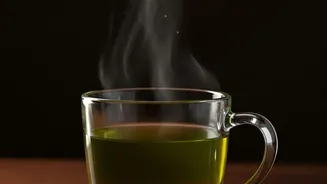







More Than Just a Burnt Tongue
That initial searing sensation when you sip a beverage that’s too hot is your body's first warning sign. While a burnt tongue or palate is uncomfortable and temporarily dulls your sense of taste, the real concern lies deeper—in the esophagus. Repeatedly
exposing the delicate lining of your food pipe to scalding liquids can cause thermal injury. This isn't just a minor irritation; it can lead to inflammation, pain, and difficulty swallowing (odynophagia). Over time, this recurring damage forces the cells in your esophagus to constantly repair themselves, a process that can create long-term problems.
The World Health Organization's Warning
This isn't just speculation. In 2016, the International Agency for Research on Cancer (IARC), a branch of the World Health Organization, classified drinking "very hot" beverages as a "probable carcinogen" (Group 2A). This conclusion was based on multiple studies that found a consistent link between the consumption of very hot drinks and an increased risk of esophageal squamous cell carcinoma, a specific type of esophageal cancer. The key takeaway from the IARC's findings is that the risk is not tied to the chai or coffee itself, but purely to its temperature.
How Hot Is Actually Too Hot?
The critical threshold identified by the IARC is 65°C (149°F). Beverages consumed consistently above this temperature are considered "very hot" and pose the greatest risk. For context, tea and coffee are often served at temperatures between 71°C and 85°C. While most people let their drinks cool, those who prefer them scalding might be sipping in the danger zone. Studies have shown that drinking tea above 60°C can nearly double the risk of esophageal cancer compared to those who prefer cooler tea. One large UK-based study found that people who described their drinks as "very hot" had a threefold greater risk of this specific cancer type compared to those who drank them "warm."
Understanding the Mechanism of Risk
The theory behind this increased risk is straightforward: chronic thermal injury. When you repeatedly scald the cells lining your esophagus, you create a state of chronic inflammation. Your body works overtime to replace the damaged cells. This rapid cell turnover increases the chances of errors during cell division, which can potentially lead to the formation of cancerous cells. While other factors like smoking and alcohol are major contributors to esophageal cancer, consistent thermal damage is now recognized as an independent risk factor, particularly in regions where drinking very hot beverages is a cultural norm.
Simple Steps for a Safer Sip
The good news is that reducing this risk requires only a minor adjustment to your routine, not giving up your beloved chai. The solution is simple: patience. After pouring your chai, let it cool for a few minutes before you start sipping. A good rule of thumb is to wait until the cup is comfortable to hold and you can take a sip without wincing. Experts suggest an ideal drinking temperature is between 50°C and 60°C. You can also cool it down faster by adding a splash of cool water or milk, stirring it, or pouring it into a wider mug to increase the surface area. The goal is to move from "scalding" to "pleasantly hot."