


Understanding the Peppery Punch
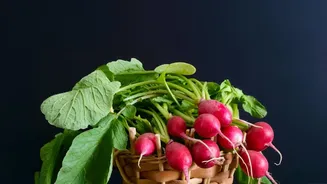
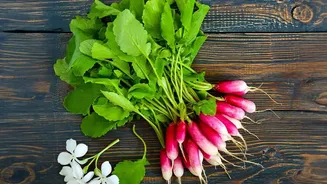
That spicy sensation you get from a raw radish comes from a compound called allyl isothiocyanate, which is also found in mustard and horseradish. This compound's intensity can vary based on the radish's age and growing conditions; older radishes or those
grown in hot, dry weather tend to be more pungent. Some find this zesty kick delightful, while others find it too aggressive. The good news is that this peppery quality isn't a flaw. It's a feature you can work with, balance, and even transform. By understanding what you're up against, you can choose the right technique to make radishes delicious for any palate.
Lean on Fat for a Mellow Flavour
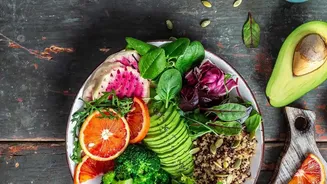
One of the simplest and most effective ways to temper a radish's intensity is to pair it with fat. Fats coat the palate and soften the sharp, spicy notes, resulting in a more balanced and rounded flavour. A classic French preparation involves simply serving crisp, raw radishes with good quality butter and a sprinkle of flaky sea salt. The creaminess of the butter beautifully offsets the radish's bite. This principle extends to other fats as well. Tossing sliced radishes with creamy ingredients like avocado, cream cheese, or a rich aioli can create a delightful contrast in both flavour and texture.
Cut the Bite with Acidity
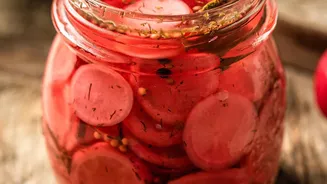
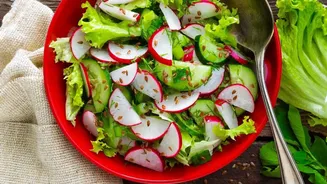
Acidity is another powerful tool in your flavour-balancing arsenal. A splash of citrus or a dash of vinegar can cut through the pungency and brighten the overall taste of the dish. Squeezing fresh lemon juice over sliced radishes is a simple way to moderate their heat. This is why radishes are such a welcome addition to salads with a sharp vinaigrette. Pickling is another fantastic method. A quick pickle in a brine of vinegar, water, salt, and a little sugar not only mellows the radish's spice but also infuses it with a tangy flavour that complements many dishes, from tacos to Korean fried chicken.
Balance with a Touch of Sweetness
Just as with other spicy foods, a hint of sweetness can provide a wonderful counterpoint to the radish's heat. This doesn't mean you need to douse them in sugar. Natural sweetness from other ingredients can be very effective. Pairing radishes with sweet fruits in a salad, or including them in a stir-fry with a sauce that has a touch of maple syrup or honey can create a harmonious dish. Even other vegetables can provide this balance. Roasting radishes alongside naturally sweet root vegetables like carrots and parsnips brings out their own latent sweetness while taming their peppery nature.
The Magic of Salt and Slicing
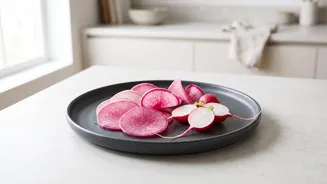
Don't underestimate the power of simple preparation techniques. Slicing radishes very thinly, perhaps with a mandoline, changes how you experience their flavour, turning them into more of a seasoning than a powerful crunch. Furthermore, salt can be used to draw out water and some of the pungent compounds. Salting sliced radishes and letting them sit for a short time before rinsing can reduce their bite. Even peeling the radishes can help, as much of their spiciness is concentrated in the colourful skin. By removing it, you instantly get a milder version of the vegetable.
Transform with Heat: Roasting and Sautéing
If you're truly averse to the raw radish's bite, cooking them is a game-changer. Applying heat breaks down the spicy compounds and transforms the flavour profile entirely. Roasted radishes become surprisingly mellow, tender, and sweet as their natural sugars caramelize. Tossed with olive oil, salt, and pepper and roasted at a high temperature, they become a delicious side dish on their own. Sautéing them in a pan with butter or olive oil also works wonders, softening their texture and muting their peppery taste until they become juicy and absorb the flavours of the pan.