





Say No to Grains and Lentils
One of the primary rules of Sawan fasting is to abstain from common grains like wheat and rice, as well as all dals and lentils. This means regular chapatis, bread, and rice dishes are off the menu for those observing the fast. Instead, the focus shifts
to specific alternatives that provide energy and adhere to tradition.
Embrace Vrat-Friendly Flours
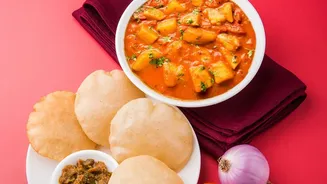
To replace wheat and rice, vrat-friendly flours are used. The most common are Kuttu ka atta (buckwheat flour), Singhara ka atta (water chestnut flour), and Rajgira ka atta (amaranth flour). These are used to make puris, parathas, and cheelas that are both delicious and permissible during the fast. Samak rice, or barnyard millet, is another popular substitute used for making khichdi and kheer.
Avoid Onion and Garlic
Onion and garlic are strictly avoided during Sawan fasting. In Ayurveda, they are considered 'tamasic' foods, believed to create heat and restlessness in the body, which goes against the calm and meditative spirit of the month. When cooking for a shared meal, prepare the vrat-friendly dishes first without these ingredients before adding them to other preparations.
Use Only Rock Salt (Sendha Namak)
Regular table salt is not used in food prepared for Sawan fasts. The only permitted salt is Sendha Namak, or rock salt. It is considered a purer, unprocessed form of salt suitable for religious observances. This is a simple but crucial switch to make when preparing any part of a fasting meal, from sabzis to snacks.
Be Selective with Vegetables
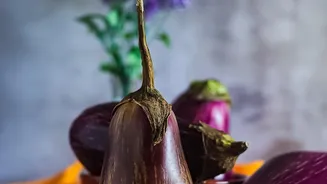
Not all vegetables are consumed during the Sawan fast. Permitted vegetables generally include potatoes, sweet potatoes, pumpkin, bottle gourd (lauki), and arbi (colocasia). On the other hand, many families avoid leafy green vegetables and brinjal. The traditional logic is that greens are more prone to insects during the monsoon, making them less pure for fasting.
Stick to Simple Spices
Heavy and heating spices are generally avoided. Turmeric (haldi), garam masala, and asafoetida (hing) are typically excluded. Instead, flavour comes from milder spices like cumin (jeera), black pepper (kali mirch), green chillies, and ginger. This keeps the food sattvic—simple, pure, and light.
Dairy and Fruits Are Welcome
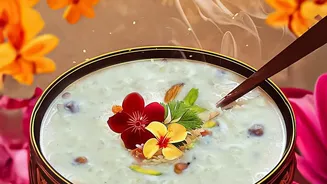
Milk and dairy products like paneer, ghee, and curd are central to the Sawan diet, providing essential nutrients and fat. Similarly, all seasonal fruits are encouraged, offering natural sugars and hydration. Fruit chaats and makhana (fox nut) kheer are popular and filling options. However, some traditions avoid curd, believing it can be heavy on digestion during the monsoon.
Abstain from Non-Vegetarian Food and Alcohol
A strict rule for the entire month, even for many who aren't fasting, is the complete avoidance of non-vegetarian food (including eggs) and alcohol. This is a mark of respect and is considered fundamental to maintaining purity during this sacred period. This is the most important rule to be mindful of when planning any shared meal.
Rely on Sabudana and Makhana
Sabudana (tapioca pearls) and makhana (fox nuts) are indispensable fasting staples. Sabudana is used to make khichdi, kheer, and vadas, providing a rich source of carbohydrates. Makhana is a light, protein-rich snack that can be roasted or used to make a creamy kheer. Both are versatile and can be used to create a variety of dishes.
Mind the Preparation and Timings
For many devotees, the fast is broken only after evening prayers. The meal is typically a single, sattvic meal. When preparing food in a mixed household, it's a considerate practice to use separate utensils for vrat food or to cook the fasting dishes first to maintain their ritual purity. This simple act of mindfulness can make a big difference.