







A Global Ripple, A Local Wave
First, what is El Niño? In simple terms, it's a natural climate pattern marked by the unusual warming of surface waters in the eastern and central Pacific Ocean. This oceanic heat-up doesn't stay in the Pacific. It triggers a chain reaction in the atmosphere,
altering wind and pressure systems globally. For India, this typically means a disruption of the atmospheric circulation that drives the southwest monsoon. The India Meteorological Department (IMD) has confirmed that moderate El Niño conditions are active and has forecast a below-normal monsoon for 2026. As of early August 2026, the country was already facing a cumulative rainfall deficit of 12%, broadly in line with predictions.
The Direct Hit on Agriculture
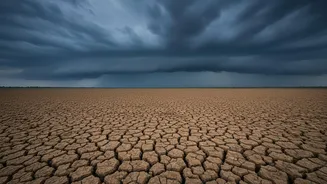
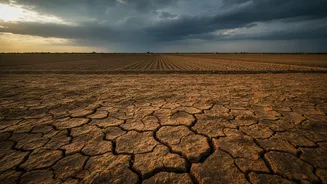
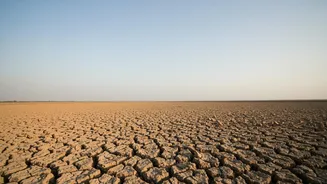
The most immediate and obvious impact of a weak monsoon is on agriculture. Around 70% of India's annual rainfall occurs during the monsoon season, and nearly half of the country's farmland is still rain-fed, making it highly vulnerable to rainfall deficits. A delayed or deficient monsoon directly impacts the sowing of crucial kharif (summer) crops like rice, pulses, soybeans, and cotton. The weak start to the 2026 monsoon has already slowed sowing activity, raising concerns about lower crop yields. This agricultural stress doesn't just affect farmers' incomes; it creates a domino effect that reaches every Indian consumer.
From Farm Fields to Food Prices
This is where El Niño moves from the fields to your kitchen. Lower agricultural output means a tighter supply of essential food items. When supply shrinks and demand remains high, prices inevitably rise, fueling food inflation. Economists and rating agencies have warned that lower production of rice, pulses, and vegetables could put significant upward pressure on retail prices. The Reserve Bank of India has also flagged the El Niño-weakened monsoon as a key risk to the nation's inflation outlook. While India has built up substantial grain buffers that can help soften the blow, price spikes in specific, more perishable commodities like vegetables remain a major concern for household budgets.
The Strain on Our Power Grid
The impact doesn't stop with food. A poor monsoon puts significant strain on India's power sector in two major ways. Firstly, deficient rainfall leads to lower water levels in the country's major reservoirs. This directly curtails the output of hydroelectric power plants, which are a crucial source of electricity. In June 2026, for example, hydropower generation had already dropped by over 20% compared to the previous year due to dry conditions. Secondly, the higher temperatures often associated with El Niño drive up electricity demand for air conditioning and cooling. This creates a challenging scenario: just as demand is peaking, a key source of power generation is dwindling, forcing a greater reliance on coal-fired plants to fill the gap.
A Test of Economic Resilience
Ultimately, a weak monsoon is a test of the entire economy's resilience. Beyond food and power, it has ripple effects on rural demand. Lower farm incomes can lead to reduced spending on everything from two-wheelers and tractors to consumer goods. This can slow down broader economic activity. In response, government agencies are on high alert. The IMD provides continuous updates to help with planning, and authorities coordinate with farmers to minimise crop losses and manage water resources. Proactive measures, including using grain reserves and managing power supply, are critical tools to mitigate the negative impacts.