






A Predictable Catastrophe
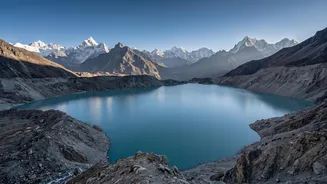
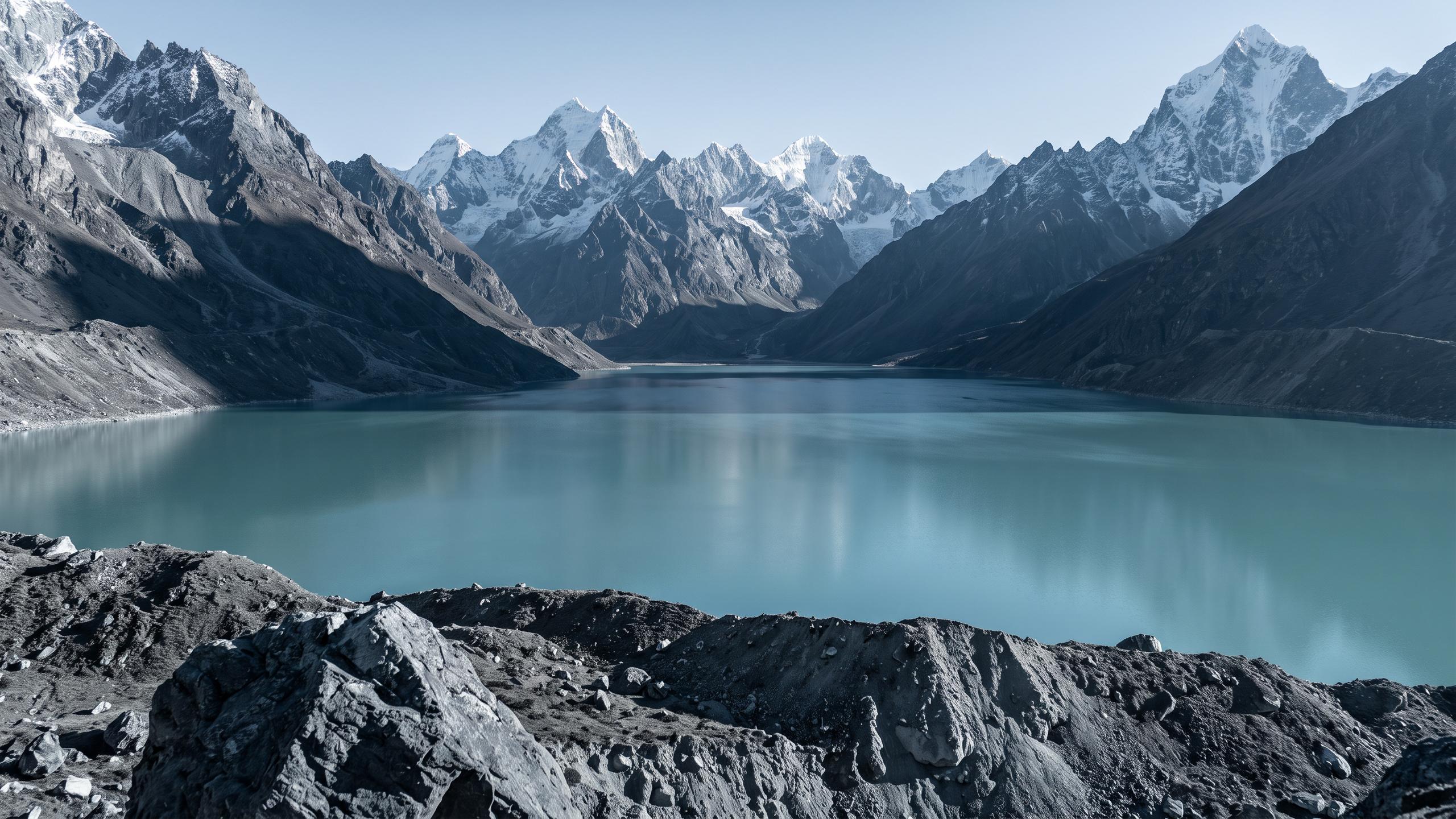
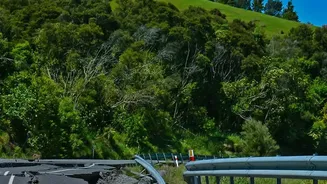
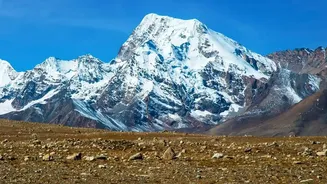
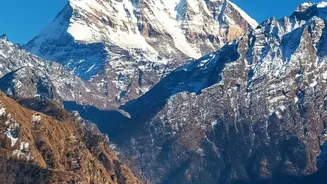
The disaster, which originated near the Nepal-Tibet border, was not a random act of nature but the result of a chain reaction in a vulnerable environment. Scientists believe a massive chunk of a glacier collapsed, triggering a landslide that temporarily
dammed a river. The subsequent bursting of this natural dam unleashed a devastating wall of water, mud, and debris. This event, known as a Glacial Lake Outburst Flood (GLOF), is a growing threat in the Himalayas, a region warming faster than the global average. For Indian states like Uttarakhand, Himachal Pradesh, Sikkim, and Arunachal Pradesh, which share similar geology and are dotted with thousands of glacial lakes, the events in Nepal are not a distant headline but a potential preview of their own future. The disaster underscores the immediate need to move beyond reactive relief to proactive risk reduction.
The Power of People-First Warnings
In a crisis where every second counts, technology is only as good as its implementation. While Nepal has been developing flood early warning systems (EWS), the sheer speed and scale of this event were overwhelming. However, the real lesson lies in the power of community-centric approaches. For years, non-profits and local governments in Nepal have established community-based EWS. These systems often combine simple, low-cost technology—like river gauges upstream—with robust social networks. Information is relayed downstream via phone trees, sirens, and local messengers, empowering villagers to act before disaster strikes. These people-centered systems have proven effective in past floods, saving lives by giving residents crucial lead time to evacuate and secure assets. The success of these bottom-up initiatives offers a powerful blueprint for Indian villages, proving that resilience can be built and managed at the local level.
Rethinking Infrastructure and Development
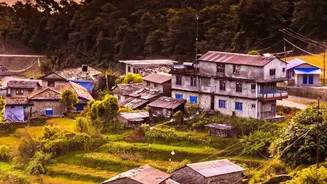
Satellite imagery of the aftermath in Nepal shows entire settlements, roads, bridges, and crucial hydropower plants completely wiped out. The disaster serves as a stark warning against unregulated construction in fragile mountain ecosystems. Development that ignores geological and environmental risks doesn't just fail to withstand disasters; it actively amplifies their destructive power. In many parts of the Indian Himalayas, rapid and often haphazard construction of roads, dams, and buildings in high-risk zones mirrors the vulnerabilities seen in Nepal. The lesson is clear: development must be resilient. This means rigorously applying environmental impact assessments, enforcing strict zoning laws that prohibit construction in floodplains and on unstable slopes, and designing infrastructure that can withstand the new realities of a changing climate. The cost of building responsibly is far lower than the price of rebuilding after a catastrophe.
Disaster Diplomacy Knows No Borders
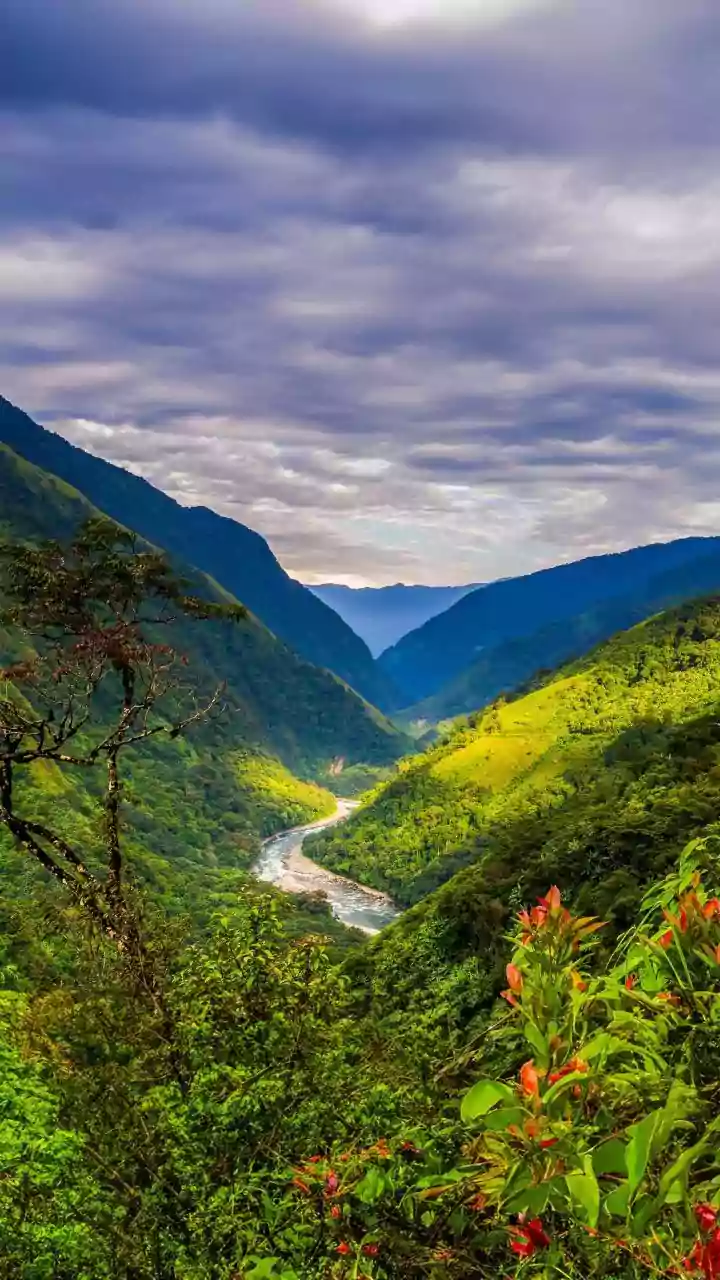
Rivers and glaciers do not recognize international borders. The flood that began in Tibet and devastated Nepal sent alerts down river corridors that extend into Indian states like Bihar and Uttar Pradesh. This highlights the absolute necessity of transboundary cooperation in disaster management. Effective early warnings require the seamless sharing of data—from satellite imagery of glaciers to real-time river flow measurements—between China, Nepal, and India. Former Nepali Prime Minister Jhala Nath Khanal called the disaster a lesson for all of South Asia, emphasising the shared nature of Himalayan risks. Efforts are already underway to create cross-border warning systems where communities in Nepal alert their downstream neighbours in India. Strengthening this cooperation at the governmental level, with integrated basin-wide planning and impact forecasting, is not just a diplomatic goal but a life-saving imperative.