




The Allure of a Natural Remedy
Tension headaches are one of the most common types of headaches, and for many sufferers, the idea of popping another pill is unappealing. This is where home remedies like peppermint tea compresses come in. They are accessible, inexpensive, and feel proactive.
The practice taps into a long history of using medicinal herbs for comfort and relief. Peppermint, in particular, has been used for centuries across Europe and Asia to soothe everything from upset stomachs to stress. In traditional medicine, its cooling and calming properties are well-regarded. The act of preparing the tea and taking a moment to rest with a warm compress is a form of self-care in itself, offering a psychological comfort that can be just as important as the physiological effects.
The Science: It's About the Oil, Not the Tea
Here's where the story gets more complex. The scientific community has indeed studied peppermint as a headache treatment and found it effective. However, these studies almost exclusively use concentrated peppermint oil, not brewed peppermint tea. The active compound responsible for the relief is menthol. When applied topically to the forehead and temples, menthol provides a cooling sensation. This sensation works as a 'counter-irritant'; it essentially gives your nerves something else to focus on besides the pain. Research suggests menthol increases blood flow and may even block certain pain signals from reaching the brain. In fact, some controlled studies have shown that a 10% peppermint oil solution can be as effective as common painkillers like paracetamol or aspirin for tension headaches.
The Evidence Gap: Why a Tea Compress Is Different
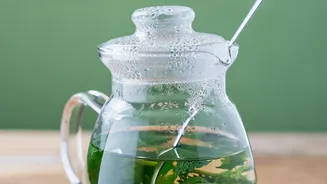
The key difference lies in concentration. Peppermint essential oil is a highly concentrated extraction of the plant's volatile compounds, including menthol. Peppermint tea, on the other hand, is a very dilute infusion made by steeping leaves in hot water. While the tea contains menthol, the amount that would be transferred via a damp tea bag to your skin is minuscule compared to the concentrated doses used in clinical trials. As of now, there is no significant scientific evidence from controlled studies to confirm that applying peppermint tea bags or a tea-soaked compress to the skin effectively relieves headache pain. The link between the aroma of the tea helping to relax muscles and the direct application of a compress remains an unproven, anecdotal claim.
So Why Does It Feel Like It Works?
If there's no solid proof, why do people swear by it? The answer likely involves a combination of factors. Firstly, the placebo effect is a powerful and real phenomenon in pain management. If you believe a treatment will help, it often does, at least partially. Secondly, the physical sensation of the compress itself provides comfort. A warm compress can help relax tight muscles in the forehead and temples, a common feature of tension headaches. A cool compress can constrict blood vessels, which can also ease pain. Finally, the aromatic properties of the peppermint tea can have a calming and stress-reducing effect, which indirectly helps alleviate a headache triggered by tension. The simple ritual of stopping and caring for yourself is a powerful tool against stress-induced ailments.
A Better, Evidence-Based Approach
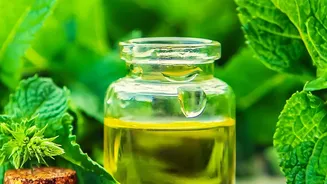
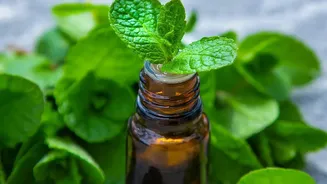
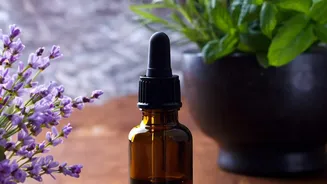
If you want to harness the power of peppermint for your headache in a way that science supports, consider using peppermint essential oil. It is crucial, however, to do so safely. Never apply undiluted essential oil directly to your skin, as it can cause irritation. Instead, dilute a few drops of peppermint essential oil in a carrier oil like coconut, jojoba, or almond oil. A common recommendation is a 1% to 3% dilution. Gently massage this mixture onto your temples, forehead, and the back of your neck. The cooling sensation should begin almost immediately. As with any new topical product, it's wise to perform a patch test on a small area of skin first to check for any adverse reactions.