
The Science of the Season
The May to September window isn't arbitrary; it's dictated by the unique weather patterns of the Alps. This period offers the most stable and favourable flying conditions. Spring and summer bring longer daylight hours and reliable solar radiation, which
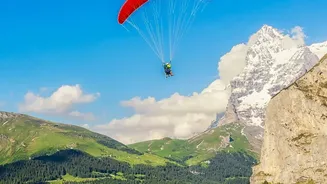
heats the mountain slopes and generates 'thermals'. These are rising columns of warm air that paragliders use to gain altitude and prolong their flight, turning a simple descent into a majestic soaring experience. The air is generally less turbulent in the mornings and evenings, while midday offers the strongest lift, especially from June to August, for those seeking longer cross-country flights. These months provide an average of 24 flyable days, maximizing your chances of getting airborne during a trip.
Peak Summer vs. Shoulder Months
While the entire five-month window is excellent, there's a difference between the periods. July and August are the peak season, offering the hottest weather and the most powerful thermals, allowing pilots to reach cloud bases above 3,000 metres. However, this is also when popular sites are most crowded. In contrast, the shoulder months of May, June, and September offer a perfect balance for many. The conditions are still excellent, with good thermals and pleasant weather, but with fewer crowds on the launch sites. Autumn, in particular, is praised for its stable air and the spectacular colours that transform the landscape below.
Iconic Alpine Flying Spots
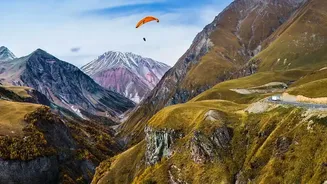
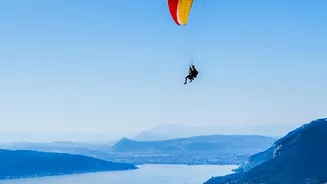
The French Alps are dotted with world-class paragliding sites. Annecy is arguably the most famous, especially for tandem flights. Launching from the Col de la Forclaz provides an unforgettable view of the pristine, turquoise Lake Annecy below. It's known for being one of the busiest and most spectacular tandem sites in Europe. For those seeking more dramatic, high-mountain scenery, Chamonix is the epicentre. Here, you fly with the awe-inspiring Mont Blanc massif as your backdrop, launching from altitudes as high as 3,700 metres at the Aiguille du Midi. Another key location is Saint-Hilaire-du-Touvet, considered the spiritual home of free flight in France and host of the famous 'Coupe Icare' festival each September.
What Beginners Can Expect
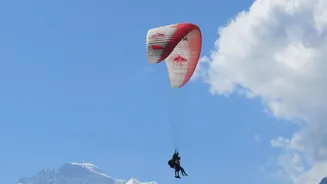
You don't need any experience to feel the thrill of Alpine flight. The most popular way for first-timers is a tandem flight, where you are securely strapped into a harness in front of a certified professional pilot. The pilot handles all the technical aspects of takeoff, navigation, and landing. Your only job is to take a few jogging steps on launch and then sit back and enjoy the breathtaking panorama. A typical discovery flight lasts between 15 and 30 minutes, depending on the conditions and the package you choose. Schools and tandem operators are abundant in all major flying hubs, offering a safe and accessible entry into the sport.
Planning Your Aerial Adventure
Booking your paragliding experience is straightforward. Most schools and tandem operators have websites where you can reserve a spot in advance, which is highly recommended during the peak months of July and August. Prices for a tandem flight generally range from €90 to €150. When planning your trip, consider that flying is weather-dependent. Flights can be cancelled on short notice due to wind or rain, so it’s wise to build a buffer day into your itinerary if paragliding is a top priority. Also, check that your travel insurance policy covers aerial sports, as some standard plans exclude them. Major hubs like Annecy and Chamonix are easily accessible, often via a short transfer from Geneva airport.