






The Great Protein Divide: Morning Low, Evening High
Recent industry data confirms a long-observed trend in eating habits: most adults consume their protein in a skewed pattern. Breakfasts are often light on protein, with lunches only moderately higher. The bulk of the day's protein is typically consumed
during the evening meal. Studies have shown that protein intake at dinner can be as much as three times higher than at breakfast. This pattern means many people start their day in a protein deficit and only catch up at the very end, creating a significant imbalance across the day.
Why Spreading It Out Is Smarter
From a physiological standpoint, this evening-heavy approach isn't optimal for our bodies, especially for muscle health. Muscle protein synthesis (MPS) is the process your body uses to repair and build muscle tissue. This process is stimulated by consuming protein, but the effect of a single meal doesn't last all day. Research suggests that evenly distributing your protein intake across three or four meals can lead to a 25% greater rate of muscle protein synthesis over a 24-hour period compared to eating the same total amount skewed toward dinner. By providing your muscles with a steady supply of amino acids, you give them the building blocks they need for maintenance and growth throughout the day, not just after your last meal.
Power Up Your Breakfast
The single biggest opportunity for most people to rebalance their protein intake is at breakfast. Swapping a low-protein start for a protein-rich one can kickstart muscle protein synthesis early and help manage hunger throughout the day. Some studies even suggest that a protein-focused breakfast can lead to greater muscle mass and strength gains over time, especially for older adults. Aiming for 25 to 30 grams of protein can be a game-changer. This doesn't have to be complicated. Consider options like Greek yogurt with nuts, a few eggs, a tofu scramble, or adding a quality protein powder to a smoothie or oatmeal.
Rethinking Lunch and Snacks
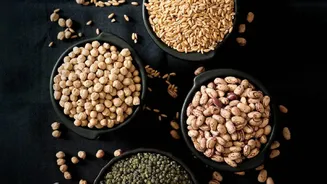
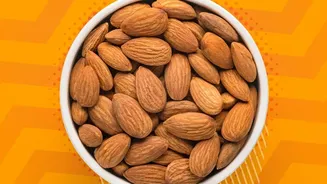
Lunch and snacks are the next frontiers for optimizing your protein distribution. Instead of a simple salad or a carb-heavy sandwich for your midday meal, ensure it includes a significant protein source like grilled chicken, fish, beans, or lentils. Smart snacking can also help bridge the gap between meals. A handful of almonds, a piece of cheese, or a protein bar can keep your amino acid levels topped up and prevent your body from entering a catabolic (muscle breakdown) state. The goal is to create multiple opportunities throughout the day to stimulate muscle protein synthesis, rather than relying on one large protein dose.
How Much Is Enough Per Meal?
For years, a common belief was that the body could only utilize about 20-30 grams of protein in a single sitting. However, more recent research challenges this, suggesting that while that range is highly efficient, larger doses of up to 100 grams can still be used for muscle building, just over a longer period. For practical purposes, experts often recommend a target of 0.4 grams of protein per kilogram of body weight per meal, spread across at least four meals, to maximize muscle growth. For a 70kg person, this translates to about 28 grams per meal. This approach ensures you meet both your total daily protein needs (generally 1.6 to 2.2g per kg for active individuals) and distribute it effectively.