





A Spaceport of Science Fiction
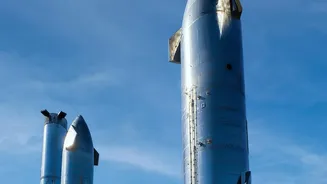
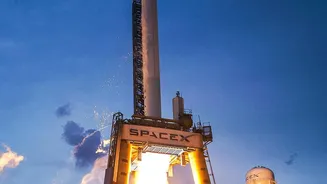
SpaceX has officially announced its most ambitious project to date: a sprawling, self-sustaining spaceport in Vermilion Parish, Louisiana. With a pledged investment of at least $100 billion, this facility is designed to dwarf all existing launch sites
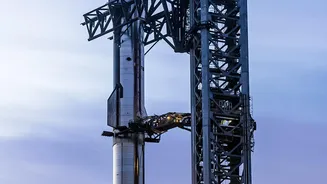
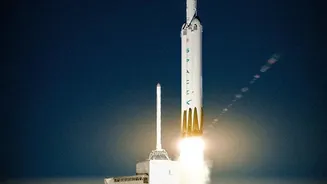
on Earth. The plan calls for an unprecedented scale of operations, with five launch complexes, each housing two launch pads, for a total of ten. This infrastructure is intended to support thousands of Starship flights annually, turning what was once science fiction into a logistical reality. SpaceX CEO Elon Musk stated the goal is to make space travel as routine as flying on an airplane, and Starbase Louisiana is the key to unlocking that future. The complex will also feature its own propellant production, power generation, and even housing for employees and their families, creating a fully integrated ecosystem for space exploration.
Why the Louisiana Coast?
The choice of Louisiana's Gulf Coast is highly strategic. The state offers a unique combination of advantages that are difficult to find elsewhere. One of the most critical is the abundant supply of natural gas, the primary resource needed to produce the methane fuel for Starship's Raptor engines. Its coastal location provides access to a wide range of launch trajectories over the Gulf of Mexico, essential for missions to various Earth orbits, the Moon, and eventually Mars. The site, a 125,000-acre plot on Pecan Island formerly owned by Exxon, also allows for deep-water shipping capabilities, which may be used to transport rocket components. This combination of energy resources, geography, and industrial heritage makes it an ideal spot to build the high-cadence launch facility SpaceX envisions.
The Engine for Future Missions
Starbase Louisiana's primary function is to serve as the industrial backbone for SpaceX's deep space ambitions. It is being built specifically to handle the massive, fully reusable Starship vehicle, which is central to the company's future plans. These plans include launching next-generation Starlink satellites to expand global internet coverage and even establishing orbital data centers. More importantly, the facility will be a critical asset for NASA’s Artemis program, which aims to return humans to the Moon and establish a sustainable presence there. Starship has been selected as the human landing system for these missions. Beyond the Moon, the ultimate goal for Starship is the human exploration and settlement of Mars, a long-held ambition of Elon Musk. The sheer scale of Starbase Louisiana is designed to enable the frequent and reliable launches necessary for such interplanetary endeavors.
Economic Liftoff for the Region
The economic impact of this $100 billion project is projected to be transformative for Louisiana and the entire Acadiana region. State officials estimate the creation of over 3,000 direct jobs over the next decade, with an average annual salary of around $92,600. Furthermore, the project is expected to generate an additional 8,100 indirect jobs, benefiting a wide range of local businesses, from construction and logistics to hospitality and professional services. To secure the project, Louisiana offered a competitive incentives package, and SpaceX has committed to a $25 million charitable donation to address regional needs arising from the growth. While there are environmental concerns about building on a sensitive coastal wetland, SpaceX has stated it is working with agencies on shoreline protection and marsh restoration efforts. Governor Jeff Landry has called the investment a pivotal moment that puts the state at the center of the next great frontier.