

The Water Cycle on Overdrive
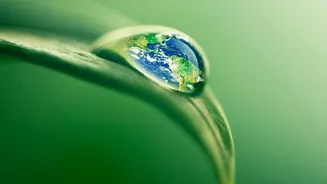
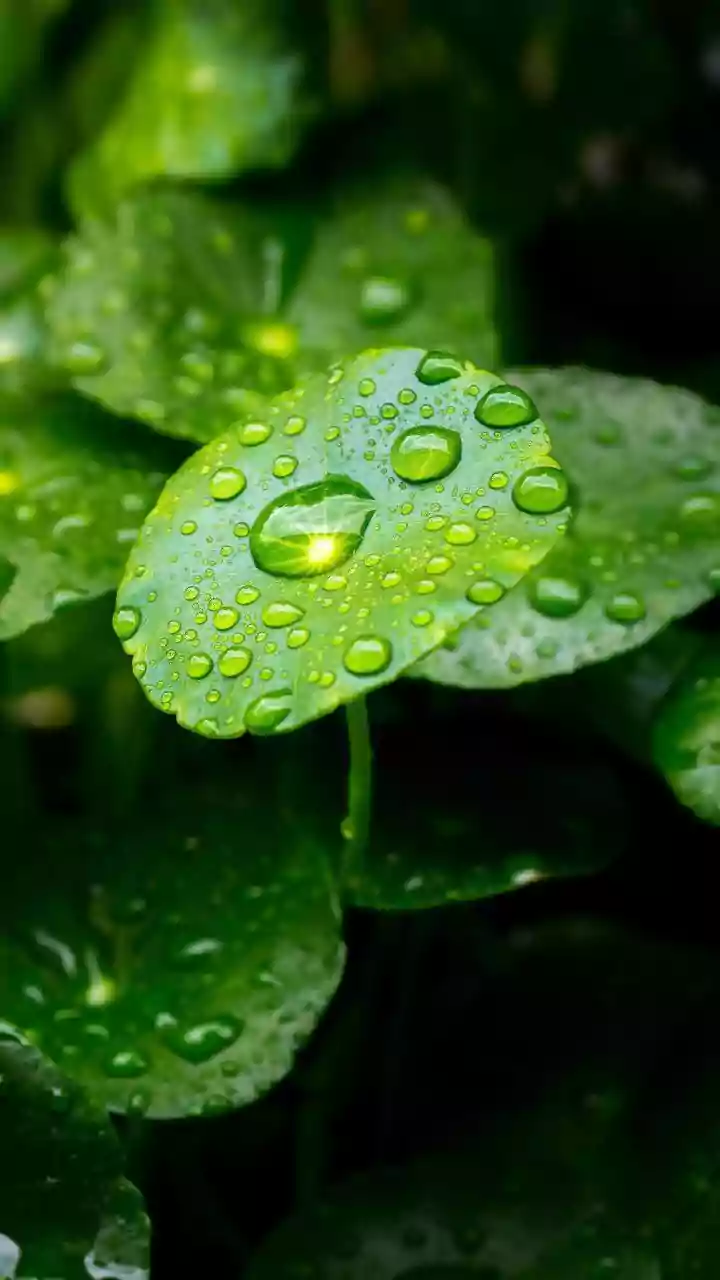
At its most basic, the water cycle is a simple process: water evaporates, rises into the atmosphere, condenses into clouds, and falls back to the surface as precipitation. However, human-induced climate change is supercharging this entire system. Warmer
air can hold more moisture—about 7% more for every 1 degree Celsius of warming. This fundamental shift means that evaporation from oceans, lakes, and even soil is happening faster and on a larger scale. The atmosphere becomes loaded with an unprecedented amount of water vapour, which is itself a greenhouse gas that further amplifies warming. This intensification doesn't just mean 'more rain'; it means a fundamental reorganisation of the planet's plumbing.
Invisible Rivers in the Sky
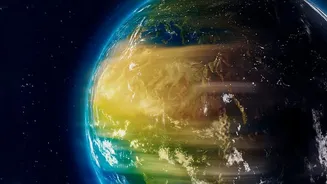
This extra atmospheric moisture is transported around the globe by shifting weather patterns and jet streams. Scientists describe these massive corridors of airborne water vapour as 'atmospheric rivers'. These invisible rivers in the sky are responsible for delivering vast quantities of precipitation, and as the climate warms, their behaviour is changing. Climate models project that these events will become more frequent and intense, capable of dumping staggering amounts of rain or snow when they make landfall. The result is that the historic locations of rain belts and deserts are beginning to shift, rewriting long-established climate norms.
The 'Wet Get Wetter, Dry Get Drier' Paradigm
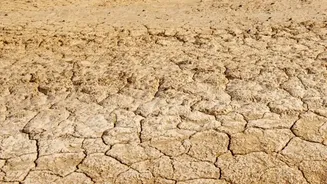
One of the clearest consequences of these shifts is a principle scientists call the 'wet get wetter, dry get drier' scenario. Regions that are already humid and receive significant rainfall are experiencing more frequent and intense downpours, leading to a higher risk of devastating floods. Conversely, arid and semi-arid regions are becoming more prone to prolonged and severe droughts as evaporation dries out the land and rainfall becomes less frequent. This isn't a distant future prediction; the effects are already being observed. The Intergovernmental Panel on Climate Change (IPCC) has documented an increase in both wet and dry extremes across the globe, linking them directly to the intensifying water cycle.
An Unpredictable Future for India's Monsoon
For India, where the economy and livelihoods of hundreds of millions are tied to the summer monsoon, these changes represent a critical threat. The World Bank has noted that monsoon rainfall has seen a decline since the 1950s, while the frequency of heavy rainfall events has increased. A warming world makes India's monsoon highly unpredictable. Projections indicate that an extremely wet monsoon that once had a 1-in-100-year chance of occurring could happen every 10 years. This volatility creates a dual threat: periods of intense, flood-triggering downpours punctuated by longer dry spells that can devastate agriculture. This erratic pattern puts immense pressure on everything from food security to urban infrastructure and water management.
A Cascade of Consequences
The ripple effects of altered rainfall patterns extend into every corner of society. Food security is at risk as farmers grapple with unpredictable growing seasons. Water reservoirs and hydro-meteorological systems, designed based on historical climate data, may no longer be adequate for the new reality of extreme floods and droughts. Urban areas face increased risks from flooding, while rural communities may struggle with water scarcity. The entire balance of ecosystems, from mountain glaciers that act as natural water towers to coastal wetlands, is being disrupted by this fundamental change in how water moves around the planet. The simple act of water evaporating is no longer so simple, and its consequences are becoming more complex and challenging every year.