




For years, the primary image of a Himalayan flood has been a massive glacial lake bursting its dam. But new findings show the danger is more complex, with threats that are harder to see and predict, forcing a rethink of our defences.
The Danger We Thought We Knew
For decades, the most
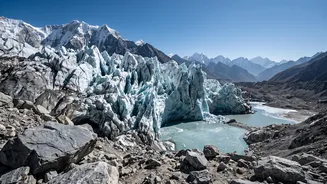
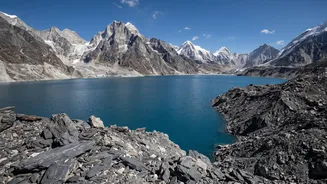
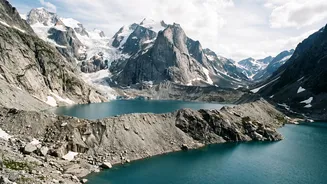
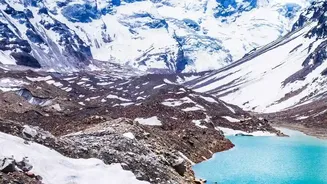
understood glacial threat in the Himalayas has been the Glacial Lake Outburst Flood, or GLOF. As climate change accelerates glacier melt, vast lakes form, held back only by unstable natural dams of rock and ice. The concept is simple and terrifying: when this dam fails, millions of cubic metres of water can be released in an instant, creating a torrent of water and debris that devastates downstream communities. Events like the 2023 South Lhonak Lake flood in Sikkim are grim reminders of this power. Consequently, much of our monitoring has focused on watching these growing, visible lakes, assuming they were the principal source of danger.
A More Complex, Hidden Threat
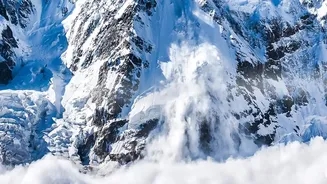
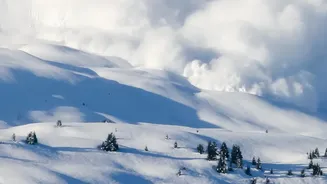
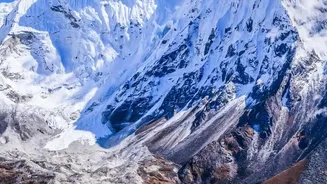
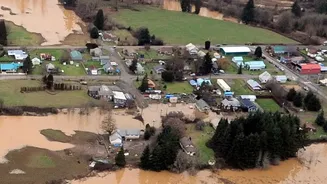
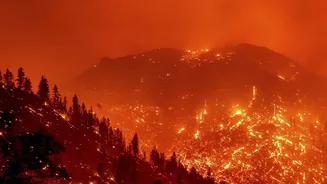
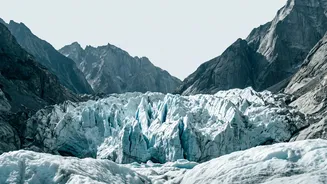
Recent research and catastrophic events have revealed a more insidious risk that goes beyond bursting lakes. Scientists now understand that devastating floods can be triggered by events that don't involve a traditional GLOF. One major cause is a massive landslide or ice avalanche crashing directly into a river valley. The initial collapse can be so large it registers on seismic equipment like an earthquake, as seen in a recent disaster in Nepal. This sudden displacement of rock and ice can turn a river into a destructive debris flow without any lake being involved. Furthermore, water can be stored within or under the glacier itself, in englacial or subglacial systems. The sudden release of this hidden water, a phenomenon sometimes called a jökulhlaup, is nearly impossible to predict as there's no visible surface lake to monitor.
Why This Changes the Risk Equation
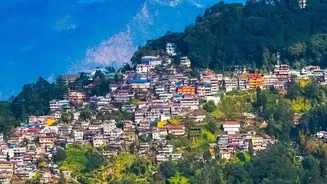
This expanded understanding fundamentally changes how we must view risk in Himalayan states like Uttarakhand, Himachal Pradesh, and Sikkim. The focus on monitoring visible, expanding glacial lakes, while still crucial, is no longer sufficient. The new findings show that a seemingly stable valley can become the site of a catastrophic flood with little to no warning. A landslide high up a mountain, or the collapse of bedrock beneath a glacier, can trigger a flood far downstream. These 'non-GLOF' events are often absent from existing hazard frameworks, leaving communities vulnerable to a threat they aren't looking for. With climate change destabilising not just the ice but the very rock and permafrost around it, the frequency of such unpredictable events is expected to rise.
The Urgent Need for Smarter Warning Systems
The revelation of these complex new threats is putting early warning systems squarely in focus. A system designed only to watch a lake's water level will miss a flood triggered by a landslide a kilometre away. Modern warning systems now need to be more integrated, combining satellite imagery with ontheground seismic sensors, geophones to detect ground shaking, and automated weather stations. The goal is to create a network that can detect the initial trigger—be it a landslide, an ice collapse, or unusual melt patterns—and transmit an alert within the precious minutes that can mean the difference between life and death. This requires not just new technology but also institutional cooperation, as many of these river basins cross state and even national borders.
India's HighStakes Challenge
For India, these findings carry a particular weight. The Hindu Kush Himalaya region is warming far faster than the global average, and studies show India has suffered the highest number of deaths from glacial floods in the entire region. With massive investments in infrastructure like hydropower projects and growing populations in these vulnerable valleys, the stakes are incredibly high. Indian agencies, alongside international partners, are working to map and identify not just hazardous lakes but entire hazardous regions. The challenge is immense : to move from a reactive , lake centric monitoring model to a proactive , system wide approach that accounts for the full , complex , and evolving spectrum of glacial hazards.