

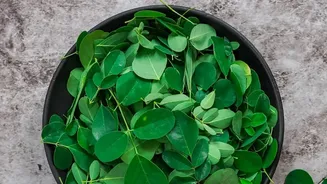


More Than Just Mustard Greens
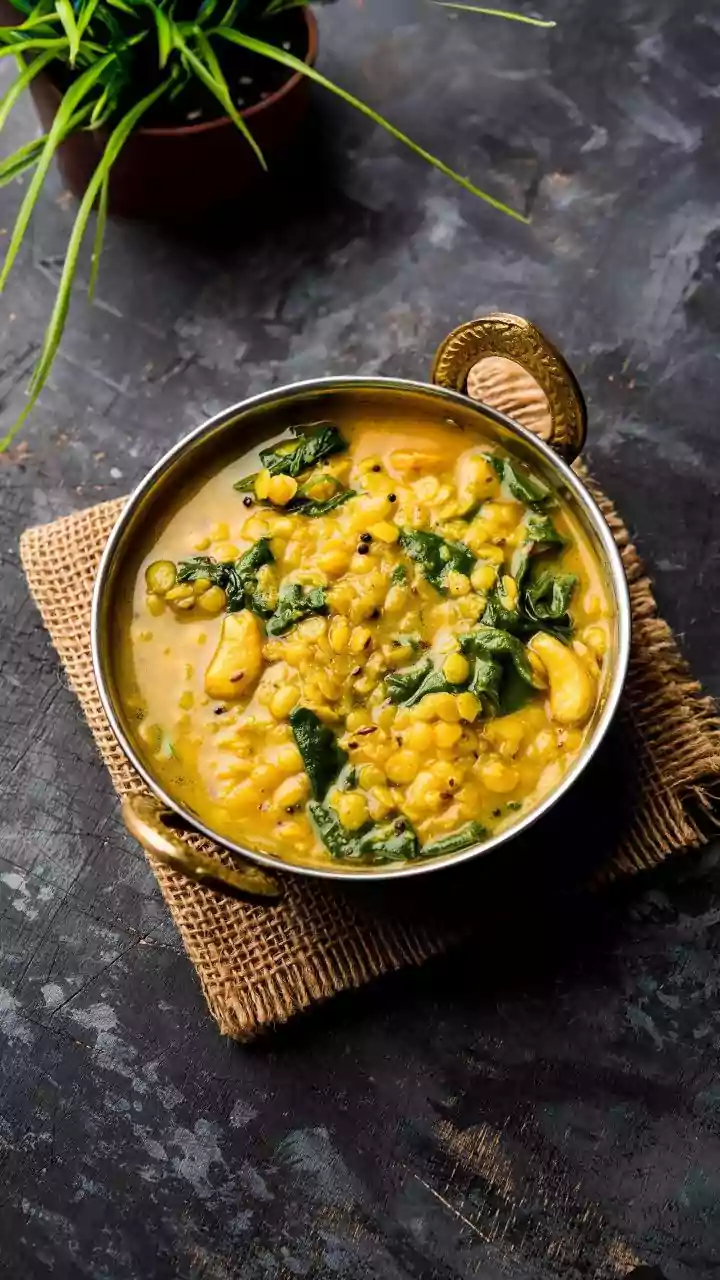
While 'sarson ka saag' made from mustard leaves is the most famous version, saag is a broad category of dishes made from various leafy greens. This includes spinach (palak), fenugreek (methi), and chenopodium album (bathua), among others. Each green brings
its own unique flavour and nutritional profile to the table, but they all share one thing in common: they are packed with essential vitamins and minerals that our bodies need to thrive. The slow-cooking process, often with aromatic spices like ginger and garlic, melds these greens into a delicious and wholesome preparation.
A Treasure Trove of Vitamins
Cooked leafy greens are an exceptional source of vital vitamins. They are particularly rich in vitamin K, which is crucial for bone health and helps protect against inflammatory diseases. They also provide significant amounts of vitamin A, important for vision and immune function, and vitamin C, a powerful antioxidant. While some water-soluble vitamins like vitamin C can diminish with heat, the overall benefit of cooked greens remains high. In fact, cooking can make some nutrients, like vitamin A and E, more available for your body to absorb.
Unlocking Essential Minerals
Leafy greens like spinach and mustard greens are celebrated for their mineral content, especially iron and calcium. However, raw greens contain compounds like oxalic acid that can hinder the absorption of these very minerals. The good news is that cooking breaks down these inhibitors. This means that when you eat a bowl of cooked saag, your body can more easily access the iron needed to prevent anaemia and the calcium required for strong bones. Adding a splash of lemon juice or including tomatoes in the preparation can further boost iron absorption thanks to their vitamin C content.
Fibre for Digestive Wellness
Saag is rich in dietary fibre, which is essential for a healthy digestive system. Fibre aids in promoting regular bowel movements and preventing constipation. It also contributes to a feeling of fullness, which can help with weight management by curbing unnecessary snacking. A healthy intake of fibre from sources like saag supports a thriving gut microbiome, which is linked to improved nutrient absorption and overall digestive health. This makes it a heart-healthy choice that is also low in calories.
Exploring the Variety in Greens
Don't limit yourself to just one type of saag. Exploring different greens can diversify your nutrient intake. Bathua, for example, is a traditional winter green praised for its high content of amino acids, iron, and potassium, and is known to be a good source of plant-based protein. It's also believed to act as a natural detoxifier. Methi (fenugreek leaves) are another great addition, known for helping manage inflammation and boost immunity. Combining different greens, a common practice in many households, not only creates a more complex flavour but also provides a wider spectrum of health benefits.
Making Your Saag Even Healthier
While traditional saag is incredibly nutritious, modern preparations can sometimes be heavy on ghee, butter, or cream. To maximize the health benefits, consider using these fats in moderation. The key is to let the natural flavours of the greens and spices shine through. Pairing your saag with whole-grain options like makki ki roti (cornbread) or a simple bajra roti creates a balanced meal, providing complex carbohydrates and additional fibre. This combination ensures you get sustained energy without compromising on taste or nutrition.