




Passenger EVs Nearly Double Sales
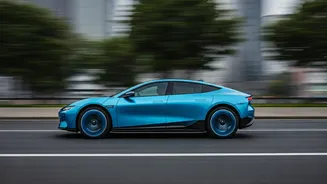
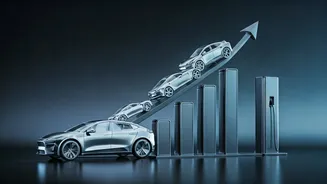
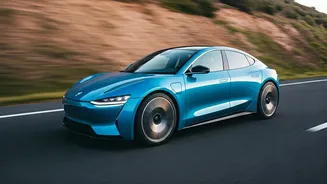
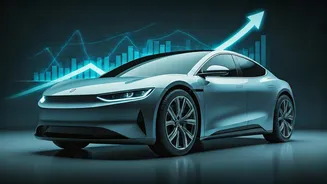
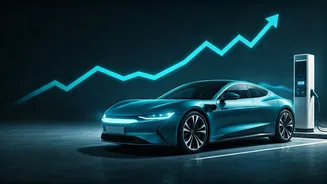
The passenger electric vehicle segment witnessed a dramatic surge in the first quarter of FY27, which spans from April to June 2026. According to Vahan registration data, retail registrations for electric passenger vehicles jumped to 82,737 units. This
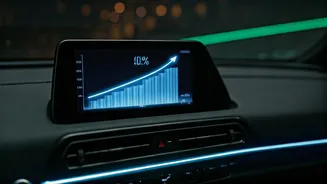
represents a nearly 90% increase compared to the 43,710 units sold during the same period last year. The growth was consistent throughout the quarter, with monthly sales climbing steadily from just under 25,000 in April to over 30,000 in June, a new monthly record for the segment. Industry executives attribute this boom to improved ownership economics, especially as fuel prices have remained high, making the lower running costs of EVs more attractive to consumers.
Tata Motors Extends Its Lead
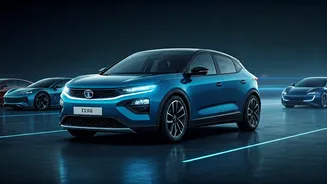
Tata Motors continues to dominate the electric passenger car market, consolidating its leadership position. The company registered 32,283 EVs in the quarter, more than doubling its performance from the previous year and capturing a 39% market share. Homegrown rival Mahindra & Mahindra solidified its second-place position, with its registrations also nearly doubling to 20,112 units, driven by an expanding portfolio of electric SUVs. JSW MG Motor India held onto the third spot with 16,502 units sold. The quarter also marked the arrival of serious new contenders. Maruti Suzuki, India's largest carmaker, made an immediate impact with its first EV, the eVitara, registering 4,894 units. Vietnamese automaker VinFast also showed strong initial traction, recording 3,973 registrations in its first full quarter.
Two-Wheelers Drive the Volume
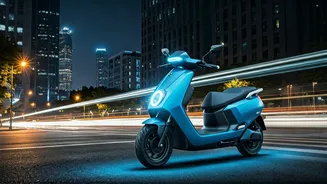
While passenger cars grab headlines, the electric two-wheeler segment remains the backbone of India's EV transition by volume. The segment saw a massive 62.5% year-on-year growth in June 2026, with over 181,000 units registered. The competition in this space is fierce and dynamic. In June, TVS Motor held the top spot with 44,467 registrations, closely followed by Bajaj Auto with 40,576 units. Together, these two legacy manufacturers accounted for nearly half of the market. Ather Energy maintained its strong performance in third place, while Hero MotoCorp's Vida brand showed significant growth to capture the fourth spot. Interestingly, Ola Electric, a one-time market leader, finished fifth in June, though it reported that its quarterly registrations nearly doubled sequentially to over 43,000 units, indicating a strong rebound.
Policy and Infrastructure: The Wind in the Sails
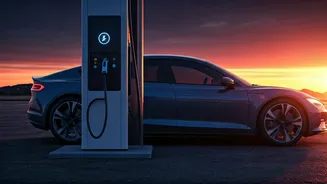
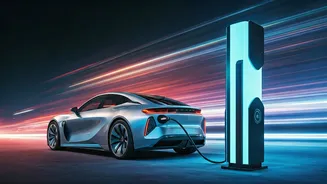
The impressive sales figures are not happening in a vacuum. They are supported by a growing ecosystem. Government initiatives, such as the FAME (Faster Adoption and Manufacturing of Electric Vehicles) scheme, continue to provide a crucial push. Simultaneously, the charging infrastructure, long considered a major hurdle, is expanding rapidly. As of early 2026, India has over 27,000 public charging stations, a number that has grown significantly over the past year. Major highways and metropolitan areas are seeing the fastest development, reducing the 'range anxiety' that once deterred potential buyers. While challenges remain in achieving uniform coverage, especially in Tier-2 and Tier-3 cities, the progress is undeniable and is a key factor in building consumer confidence.
The Road Ahead: From Niche to Mainstream
The strong start to FY27 suggests India's EV market is transitioning from an early adopter phase to a more mainstream phenomenon. Projections indicate that annual electric passenger vehicle sales could cross the 300,000 mark for the first time in 2026. This growth is fueled by an increasing number of models available to consumers, especially in more affordable price brackets. However, the journey is not without its challenges. The power grid will require significant upgrades to handle the increasing load from fast chargers, and the industry still relies on imported components for batteries. Despite these hurdles, the momentum is clear. With more manufacturers entering the fray and consumer acceptance on the rise, the electric wave in India's auto market is only set to grow stronger.